
Last updated November 15, 2026
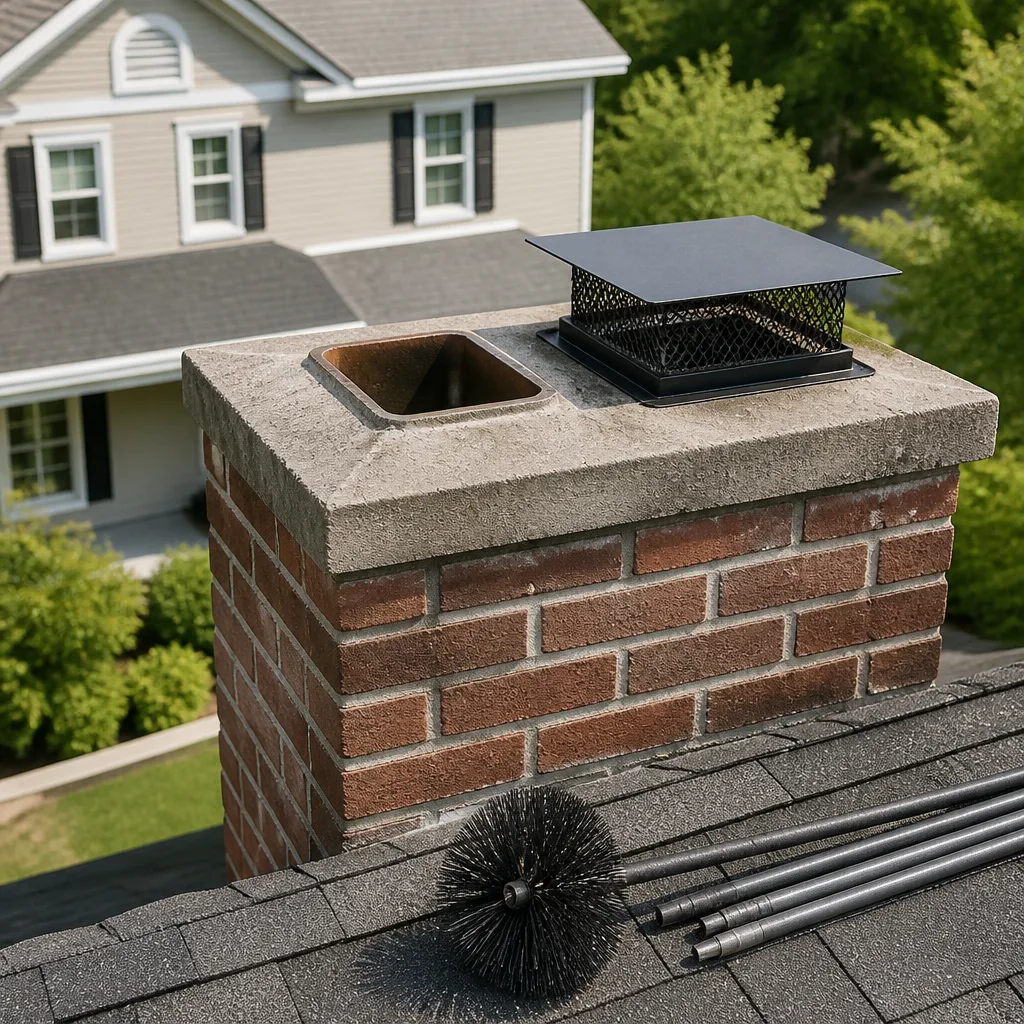 Sweep & inspection
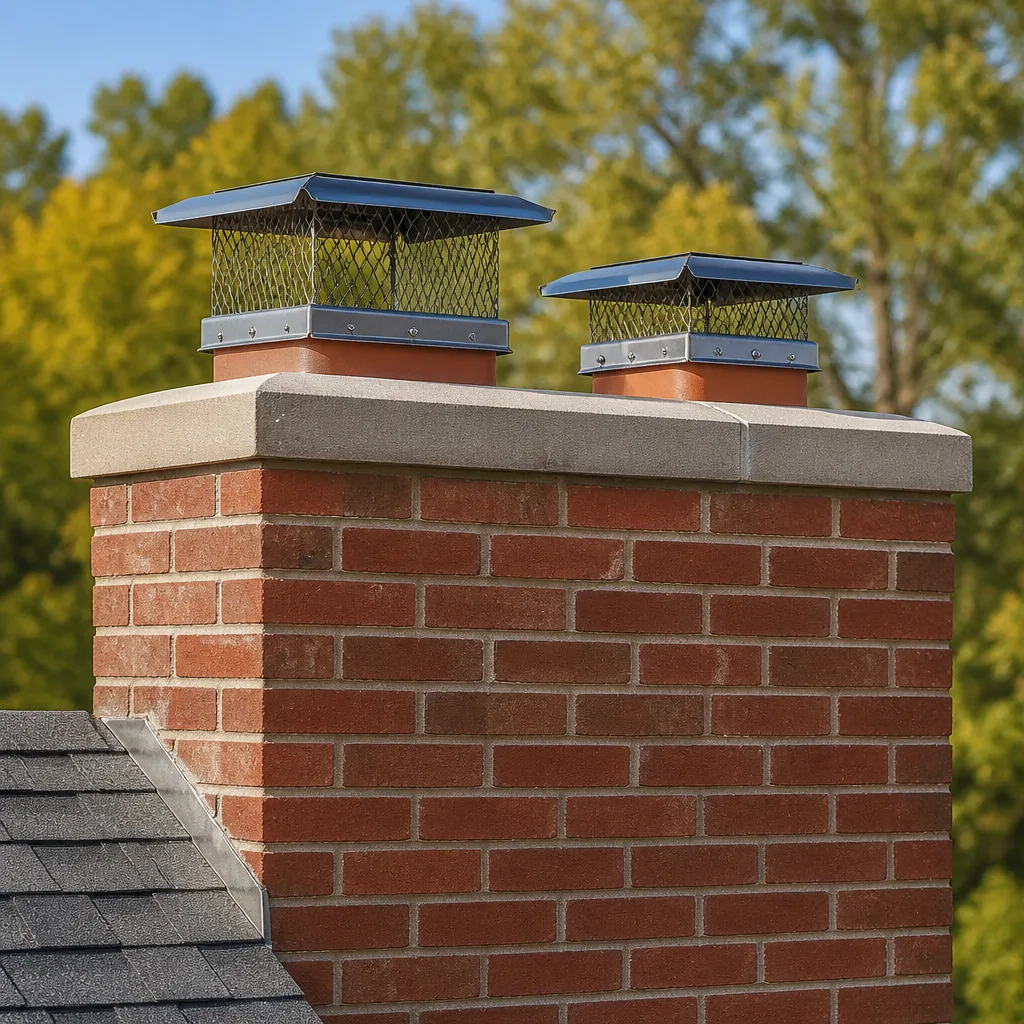 Caps & crowns
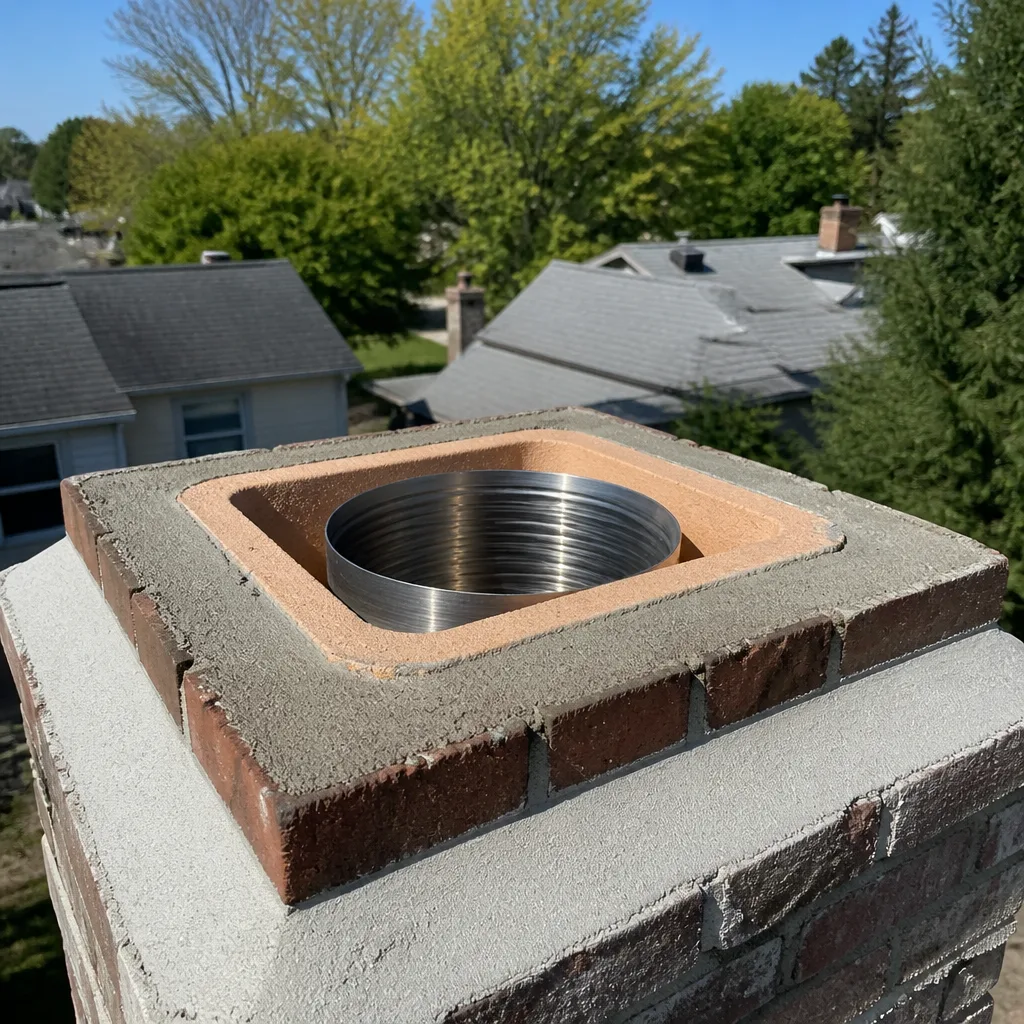 Flue relining
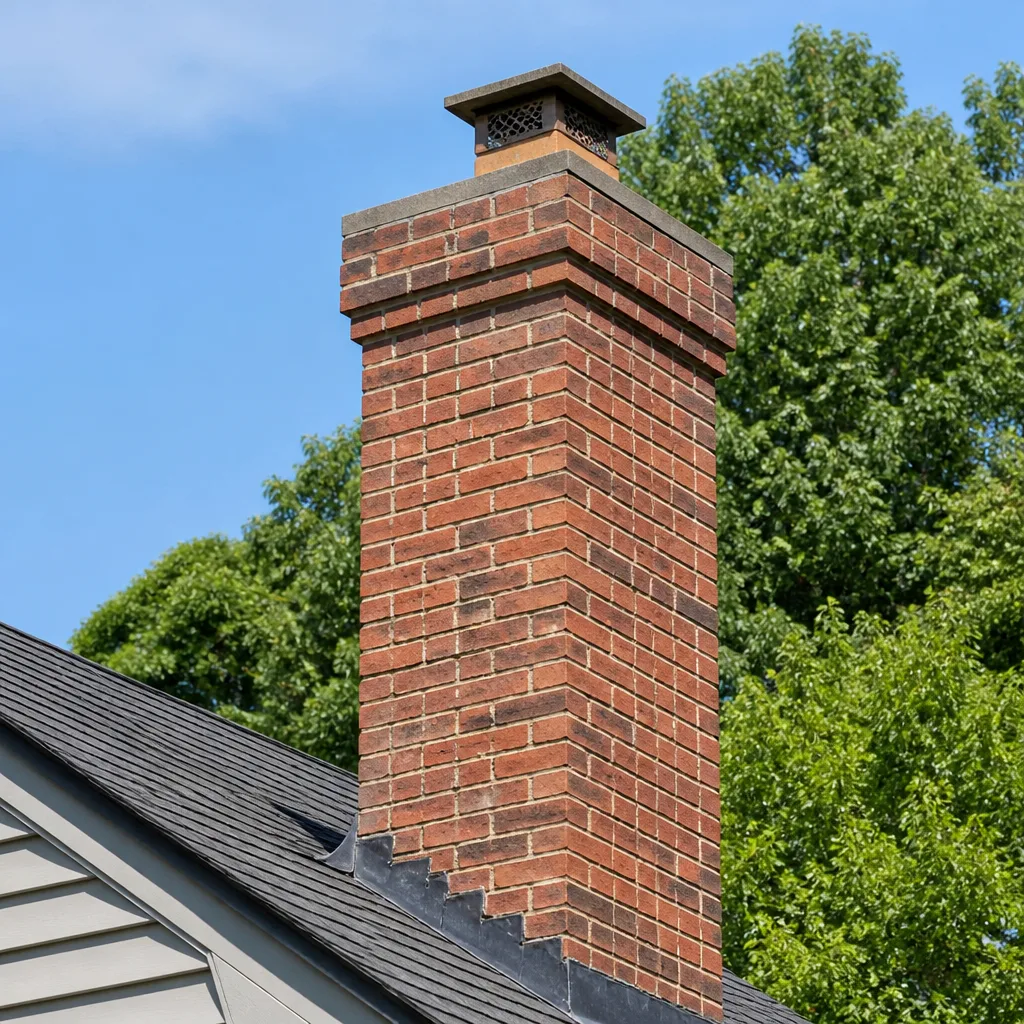 Masonry repair
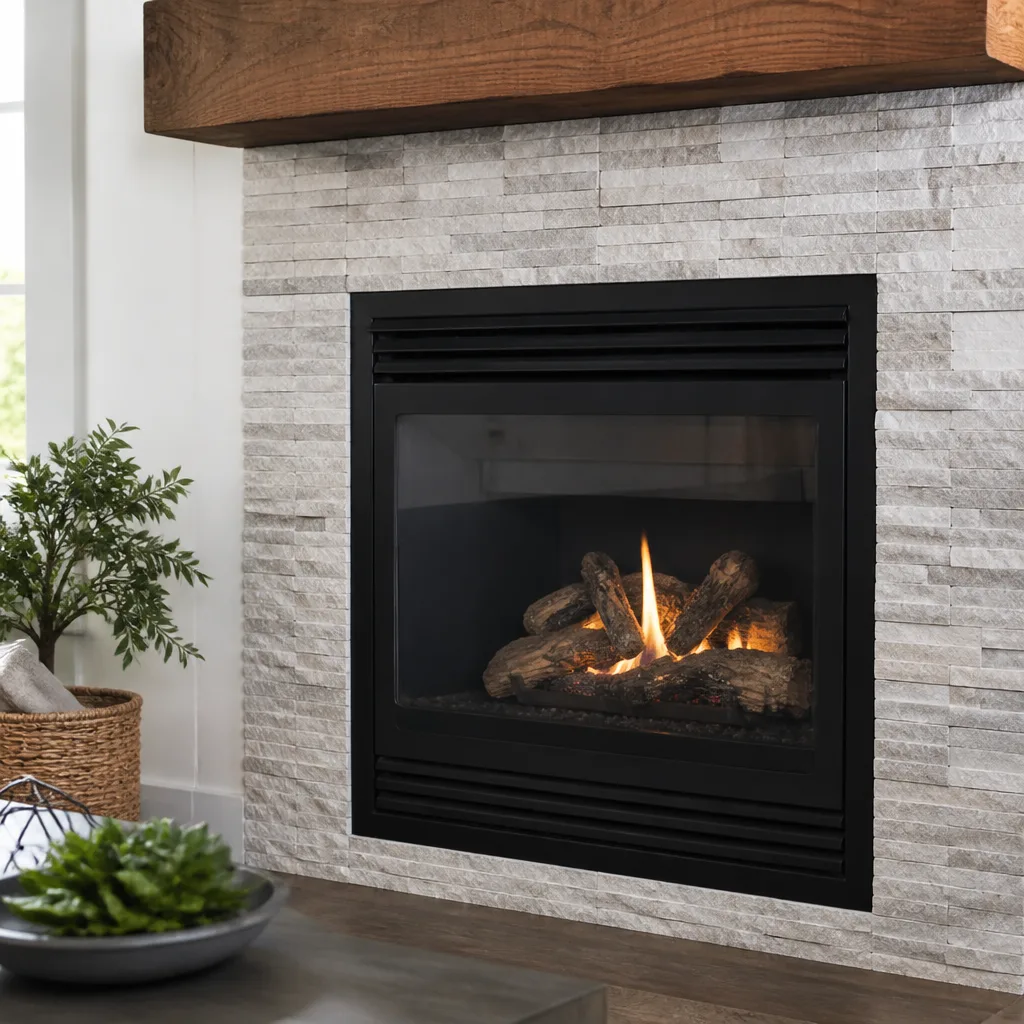 Gas fireplace service
Level 1 sweep and inspection to the NFPA 211 annual standard - flue, crown, cap, and flashing checked and photographed
Chimney sweep logs do not sweep chimneys. They loosen some creosote - which then falls where a brush and vacuum still have to collect it.
Chimney Sweep Maintenance Checklist for New Braunfels Homeowners
A chimney that passed inspection in December can develop a compromised flue liner by August, without a single fire being lit. That’s the part most checklists miss. The standard “sweep it once every fall” rhythm was written for houses that sit under snow for months, not for Hill Country homes that bake through a long humid summer and then get surprised by a cold snap in early December. What happens inside your flue between burns matters as much as what happens during them. This guide walks through a full year of chimney care timed to New Braunfels weather, wood types, and storm seasons, so you know what to check, when to check it, and what should make you stop and call a professional.
Styles & brands we work with
- Sweep & inspection
- Caps & crowns
- Flue relining
- Masonry repair
- Gas fireplace service
Quick Answer
The short version: sweep and inspect your chimney once a year, ideally in late spring after burn season ends, then do a second visual pass in early fall before the first fire. In New Braunfels, the summer humidity and the residue from cedar and live oak make that spring sweep more important than the fall one. Homeowners can safely check the damper, firebox, and cap from the ground; anything involving the flue interior, crown, or flashing needs a professional camera inspection.
Table of Contents
- Why Timing Matters More Than Frequency in New Braunfels
- Month-by-Month Chimney Checklist for New Braunfels
- Post-Burn-Season Checklist for Hill Country Wood
- What You Can Safely Check Yourself vs. What Needs a Professional
- Cap, Crown, and Flashing: Timing Around Central Texas Storm Season
- Red-Flag Conditions That Should Stop the Checklist
- Why One Company for Sweep, Inspection, and Repair Matters
- Common Mistakes to Avoid
- When to Call a Professional
- Frequently Asked Questions
Why Timing Matters More Than Frequency in New Braunfels
Most chimney advice you’ll read online was written for a climate with real winters. It assumes the chimney is idle and cold for months, then comes back to life in October. New Braunfels doesn’t work that way. Summer here is long and humid, and a flue that sat sealed since March is sitting in warm, moist air for months. That moisture interacts with the acidic residue left behind by wood smoke, and over a season it can degrade a clay flue liner or soften mortar joints without anyone lighting a match.
Then comes the second wrinkle: cold snaps. New Braunfels occasionally drops into the twenties or below with little warning, and that’s when people light fires after months of dormancy. If the chimney hasn’t been checked since spring, you’re lighting a fire into an unverified flue. The timing of your sweep isn’t about convenience; it’s about closing the gap between when the chimney is dirty and when it’s used.
What “annual” actually means here
We tell homeowners to think of it as two touchpoints per year, not one. A full professional sweep and inspection in late spring or early summer, once you’ve stopped burning for the season. Then a homeowner-level visual check in early fall, before the first cold snap. That two-touch rhythm is calibrated to how chimneys actually age in this part of Central Texas. If you only do one thing, do the spring sweep, because that’s the one that catches the moisture damage before it becomes a repair.
Why a December inspection can be out of date by August
Inspections are a snapshot. A flue that looked sound in winter can show a hairline crack in the liner, a loosened mortar joint, or a failing crown by late summer, because the conditions that cause those problems are the hot, humid months, not the burning ones. If it’s been more than a year since anyone trained a camera up your flue, you don’t know what’s in there. Our technicians have up to 12 years of experience reading exactly that kind of seasonal wear, and it’s why we schedule inspections to catch the summer damage before fall.
Month-by-Month Chimney Checklist for New Braunfels
This is the working checklist, organized by month so you can actually follow it. Not every month has a task; some months are for observation only. The point is that the tasks line up with what’s happening in your chimney and around your house at that moment.
- January and February: Peak burn season. Keep a fire log of how many fires you’ve burned. Check the firebox weekly for creosote buildup, and listen for any change in how the fire draws. A fire that starts smoking into the room is a signal, not a fluke.
- March: Last burns of the season. Note the condition of the wood you’re burning. Any unseasoned wood, or cedar with visible moisture, will leave more residue than dry live oak.
- April: Stop burning. Schedule the annual sweep and camera inspection for late April or May, while the schedule is open and the residue is fresh.
- May and June: Professional sweep and inspection. This is the anchor task of the year. Do not skip it.
- July and August: Watch from the ground. Look at the cap and crown from the yard after storms. Check the firebox for any new moisture staining. Do not burn.
- September: Pre-season visual check. Open the damper, look up the flue with a flashlight, check the firebox and smoke shelf. This is the fall touchpoint.
- October and November: First cold snaps arrive. Before the first fire, confirm the damper moves freely and the flue is clear of any debris, nests, or leaves that blew in over summer.
- December: Burn season resumes. If the spring sweep was skipped, get on the schedule before you light anything.
If you want the full sweep and inspection step handled by one team, our chimney sweep covers both in a single visit and gives you a photo report of what the camera saw.
Post-Burn-Season Checklist for Hill Country Wood
Cedar and live oak leave very different residue, and knowing which one you burned changes what the sweep needs to focus on. Cedar burns hot and fast and leaves a lighter, flakier creosote that can glaze if the fire ran cool. Live oak is denser, burns longer, and leaves a heavier soot with more tar content when it’s not fully seasoned. Both woods are common firewood around New Braunfels, and after a full season of burning either, the flue needs a real sweep, not a brush-and-go.
The post-season tasks, in order
- Empty the firebox completely, including ash. Ash holds moisture against the firebox floor through the humid months.
- Inspect the firebox brick and mortar for cracks or crumbling, especially along the back wall where heat concentrates.
- Check the damper plate for warping or a poor seal. A damper that doesn’t close fully lets humid summer air into the flue year-round.
- Look at the smoke shelf above the damper for buildup. Cedar soot tends to collect there and can restrict draft on the next season’s first fire.
- Schedule the professional sweep so the flue is clean before the humid season, not after it.
- Ask for a camera inspection of the flue liner. Creosote glaze from cedar and tar from live oak can hide cracks that the naked eye can’t see.
We carry HeatShield and Gelco resurfacing materials specifically because a cracked flue liner is the most common and most hazardous failure point we find. If the camera shows damage, it’s often repairable without a full liner replacement, but only if we catch it before the moisture damage spreads.
What You Can Safely Check Yourself vs. What Needs a Professional
There’s a clear line here, and it’s worth knowing where it sits. The parts of your chimney you can safely inspect yourself are the ones you can reach without climbing, leaning, or looking up an open flue with your face. The rest needs a trained technician and a camera.
Safe for homeowners to check
- The damper: It should open and close smoothly with no sticking, and the plate should sit flush when closed.
- The firebox: Look for cracks in the brick or mortar, crumbling joints, and any white staining that suggests moisture.
- The smoke shelf: With a flashlight, look at the ledge above the damper for soot buildup or debris.
- The cap from the ground: A quick look with binoculars confirms the cap is present and the screen isn’t torn.
- Draft test: Light a small piece of paper in the firebox and watch the smoke. If it rolls into the room instead of up, stop and call.
Leave to a professional
- The flue interior: A camera inspection is the only way to see cracks, gaps, or glazed creosote in the liner.
- The crown and flashing: These are on the roof, and getting up there to check them safely requires the right equipment and training.
- The chimney exterior above the roofline: Brick spalling, missing mortar, and cap fastening all require a technician on the roof.
- Any liner repair or resurfacing: HeatShield and DuraFlex installations are specialized work and should never be attempted from the ground.
If you’d rather not guess at the line, call us and we’ll do the whole sweep and inspection in one visit. Beacon Chimney Sweep handles chimney repair as well, so anything the inspection finds, the same team can fix.
Cap, Crown, and Flashing: Timing Around Central Texas Storm Season
Central Texas storm season runs roughly from spring through early summer, which means the exterior of your chimney takes its hardest hits in the same months you’re supposed to be doing your post-season sweep. That’s not a conflict; it’s a reason to sequence the work. Get the sweep and inspection done first, then let the spring storms pass, then check the exterior in late summer when the weather quiets down.
What to watch after storm season
- Crown: The concrete top of the chimney should be intact and sloped away from the flue. Cracks let water straight into the chimney structure.
- Cap: The cap protects the flue from rain, animals, and debris. A cap that’s loose, missing its screen, or bent should be replaced before fall.
- Flashing: The metal seal where the chimney meets the roof is the most common leak point. Look for lifted edges, rust, or gaps after heavy rain.
We check all three on every inspection, and we photograph what we find so you can see it yourself. A failed crown or flashing doesn’t just leak water; it lets moisture into the chimney chase, where it can reach the flue liner and accelerate the exact degradation we’re trying to prevent. Getting the exterior checked in late summer gives you time to repair before the first cold snap, when everyone else is trying to book at once.
Red-Flag Conditions That Should Stop the Checklist
Some findings mean you stop what you’re doing and call a professional before you light another fire. These aren’t maintenance items; they’re safety stops. If any of the following is true, don’t wait for the next scheduled sweep.
- Smoke rolling into the room: A draft that reverses, or smoke that won’t go up the flue, means the chimney is blocked, the flue is damaged, or the pressure in the house is off. Stop burning.
- Visible cracks or gaps inside the flue: A compromised flue liner is the pathway for heat and carbon monoxide to reach the structure of your home. This is the single most serious finding on any inspection.
- Creosote glaze: Shiny, hardened creosote on the flue walls is highly flammable and won’t come off with a standard brush. It needs professional removal before the next fire.
- White staining on exterior brick: Efflorescence suggests water is moving through the masonry. It points to a crown, flashing, or cap problem that needs attention.
- A strong smoky smell in the house when the chimney is not in use: This often means the damper isn’t sealing or the flue is blocked by debris or a nest.
Carbon monoxide is the invisible risk behind several of these. If you have a CO alarm near the fireplace or anywhere in the living space and it has ever sounded, that’s an immediate call, not a checklist item. We take safety seriously enough to tell you plainly when work can wait and when it can’t. If you’re seeing any of these, call (888) 401-6898. We answer 24/7. Fast dispatch from 7am to 7pm, Sunday through Friday.
Why One Company for Sweep, Inspection, and Repair Matters
Chimney work has three parts: cleaning, inspection, and repair. Many companies do one or two and hand off the third, which creates a gap. The sweep finds the problem, the inspection documents it, and then the homeowner has to find a separate repair crew, which is exactly where follow-through falls apart. We built Beacon Chimney Sweep around all three under one team, so a finding on the camera becomes a repair on the same schedule.
It also changes the material standard. We work with professional-grade brands including HeatShield, Gelco, Olympia Chimney, and Famco, because the parts that go into your chimney should outlast the invoice. HeatShield allows us to resurface a damaged flue without a full liner replacement in many cases. DuraFlex flexible liners handle stove inserts and relines. Those aren’t products a general handyman keeps on a shelf. When the diagnosis and the repair come from the same team, you get one point of contact, one scope of work, and no subcontractor gap in the middle.
We also focus on chimneys only. We’re not a general handyman service that sweeps chimneys on the side. That focus is why we can tell the difference between cedar soot and live oak tar on sight, and why we know what a New Braunfels summer does to a flue that sat sealed since March.
Common Mistakes to Avoid
- Treating the fall sweep as the only sweep. In this climate, the spring sweep after burn season is the one that catches moisture damage. Fall is the visual check, not the full cleaning.
- Burning unseasoned cedar or live oak. Both woods are fine when dry, but green or damp wood leaves heavier creosote that can glaze. Season your firewood before you burn it.
- Skipping the camera inspection because the sweep “looked fine.” The sweep clears the flue; the camera finds the cracks. They are not the same task.
- Closing the damper for the summer and forgetting it. A damper that seals fully is good; a damper that’s stuck open lets humid air cook your flue all summer. Check it in spring and fall.
- Ignoring the cap and crown between storms. A missing cap screen is an open door for birds, squirrels, and rain. Look at it after every major spring storm.
- Letting a general handyman sweep the chimney. Chimney work is a specialized trade. A brush on a pole does not equal a camera inspection, and it won’t catch a cracked liner.
- Waiting until the first cold snap to schedule anything. That’s when everyone calls. Book the spring sweep in April, while the calendar is open.
When to Call a Professional
Call us when it’s been more than a year since the chimney was inspected, when you’ve burned a full season without a sweep, or when you see any of the red flags above. Call if the damper sticks, the firebox has new cracks, or the cap is loose after a storm. Call before the first cold snap if you haven’t done the spring sweep. And call if you’re not sure whether what you’re looking at is normal, because the cost of an inspection is small compared to the cost of finding out later. Beacon Chimney Sweep offers free estimates in New Braunfels, and we’ll tell you what we found, what it means, and what it’ll take to fix it. Call (888) 401-6898.
Frequently Asked Questions
Once a year for most homes, ideally in late spring after burn season ends rather than in the fall. Homes that burn frequently, or burn cedar and live oak, may benefit from a mid-season check. The annual sweep should always include a camera inspection of the flue liner.
Yes. Summer humidity interacts with the creosote and soot left from the previous season, and that combination can degrade a clay liner or soften mortar joints over months. That’s why the spring sweep matters more here than the fall one.
You can check the damper, the firebox, the smoke shelf, and the cap from the ground. Anything involving the flue interior, the crown, or the flashing on the roof needs a professional with a camera and the right equipment.
Most sweeps and inspections are quoted per job based on the chimney’s condition and whether a camera inspection is included. We provide a written estimate before any work begins, and the estimate is free. Call (888) 401-6898 for an exact quote.
Creosote builds up and can glaze, which raises the risk of a chimney fire, and small liner cracks go unnoticed until they widen. The longer the flue sits unexamined, the more likely a small repair becomes a larger one. Call us to get back on schedule.
We handle both wood-burning and gas fireplace chimneys, including sweep, inspection, and repair. Gas fireplaces have different maintenance needs than wood, and the inspection covers the venting and flue condition for both. Call (888) 401-6898 to schedule.
The Bottom Line
A chimney checklist for New Braunfels has to be timed to this climate, not to a generic four-season pattern. Sweep and inspect in late spring, after burn season, when the residue is fresh and the summer humidity hasn’t had time to work on the flue. Watch the cap, crown, and flashing after the spring storms. Do a homeowner-level visual check in early fall before the first cold snap. Know the difference between what you can safely inspect and what needs a camera. And know the red flags that mean stop and call. Beacon Chimney Sweep handles sweeping, inspection, and repair as one team, with professional-grade materials and a straight answer about what your chimney actually needs. Call (888) 401-6898 for a free estimate. We answer 24/7. Fast dispatch from 7am to 7pm, Sunday through Friday.
If you’re looking for a team that focuses on chimneys exclusively and works in New Braunfels and the surrounding area, start with Beacon Chimney Sweep. You can also learn more about the area we serve on our New Braunfels page.
Written by the team at Beacon Chimney Sweep.
See the difference
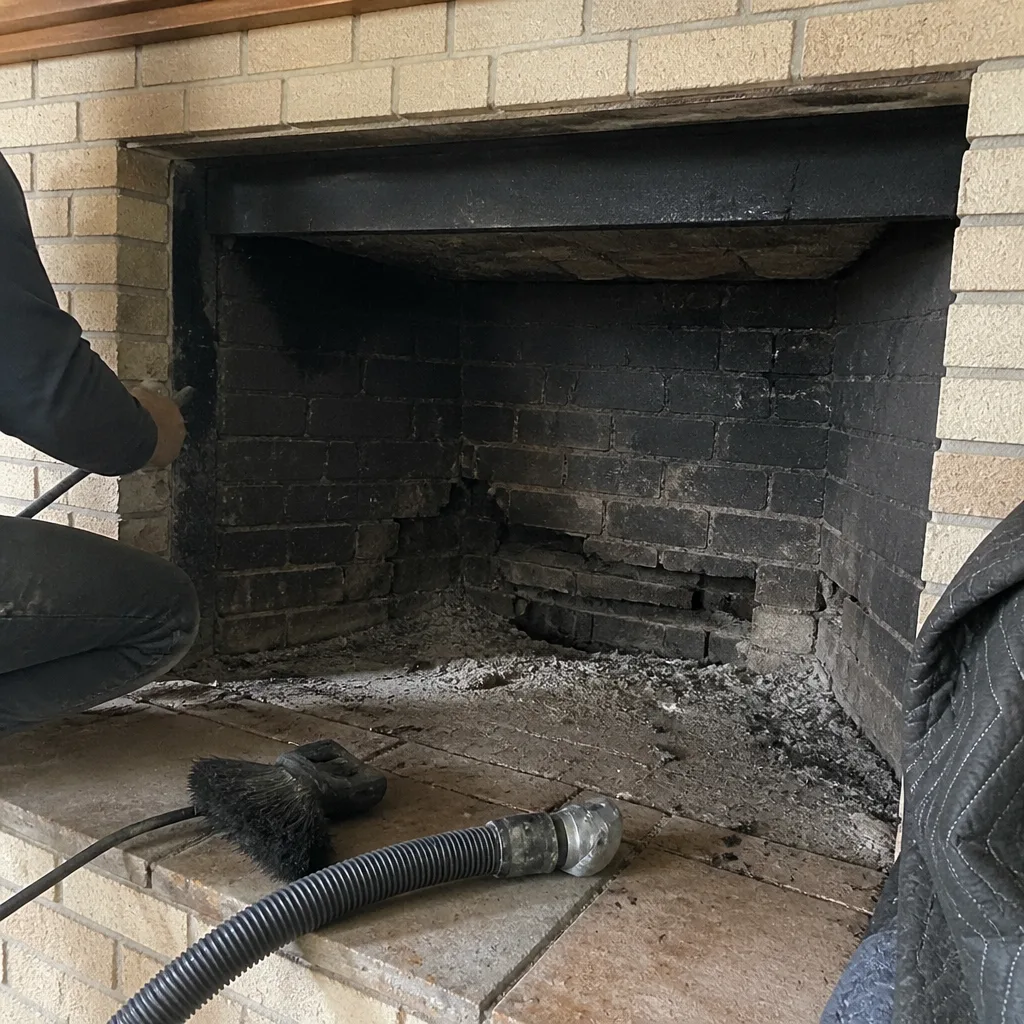 Before
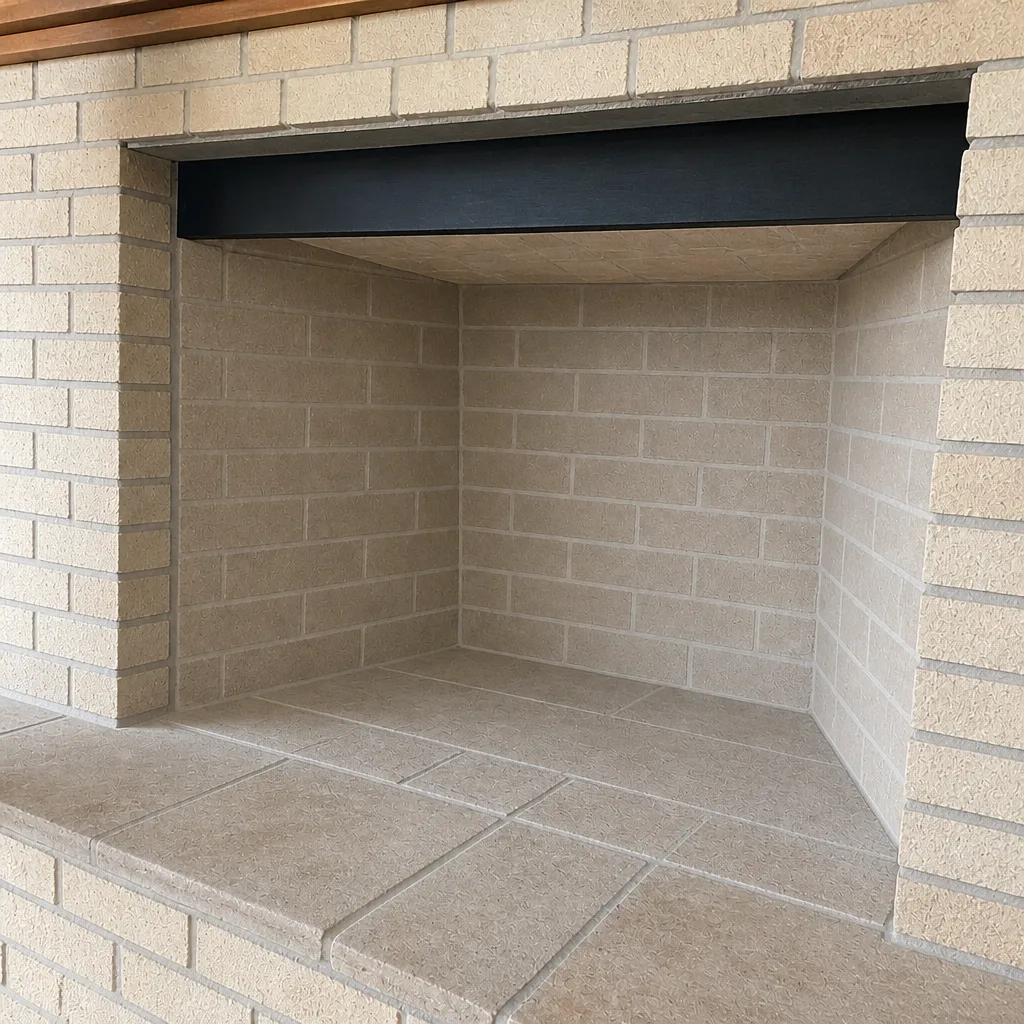 After
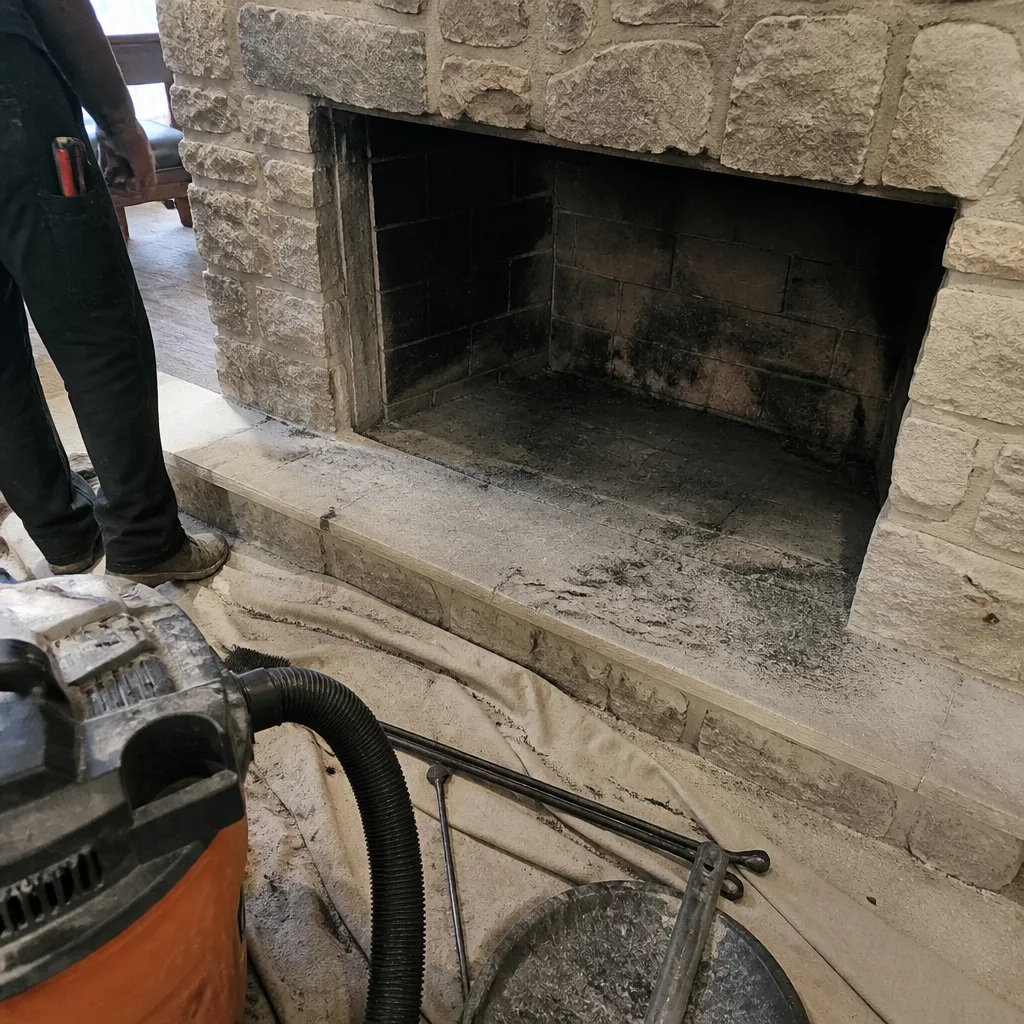 Before
 After
 Before
 After