
Last updated November 15, 2026
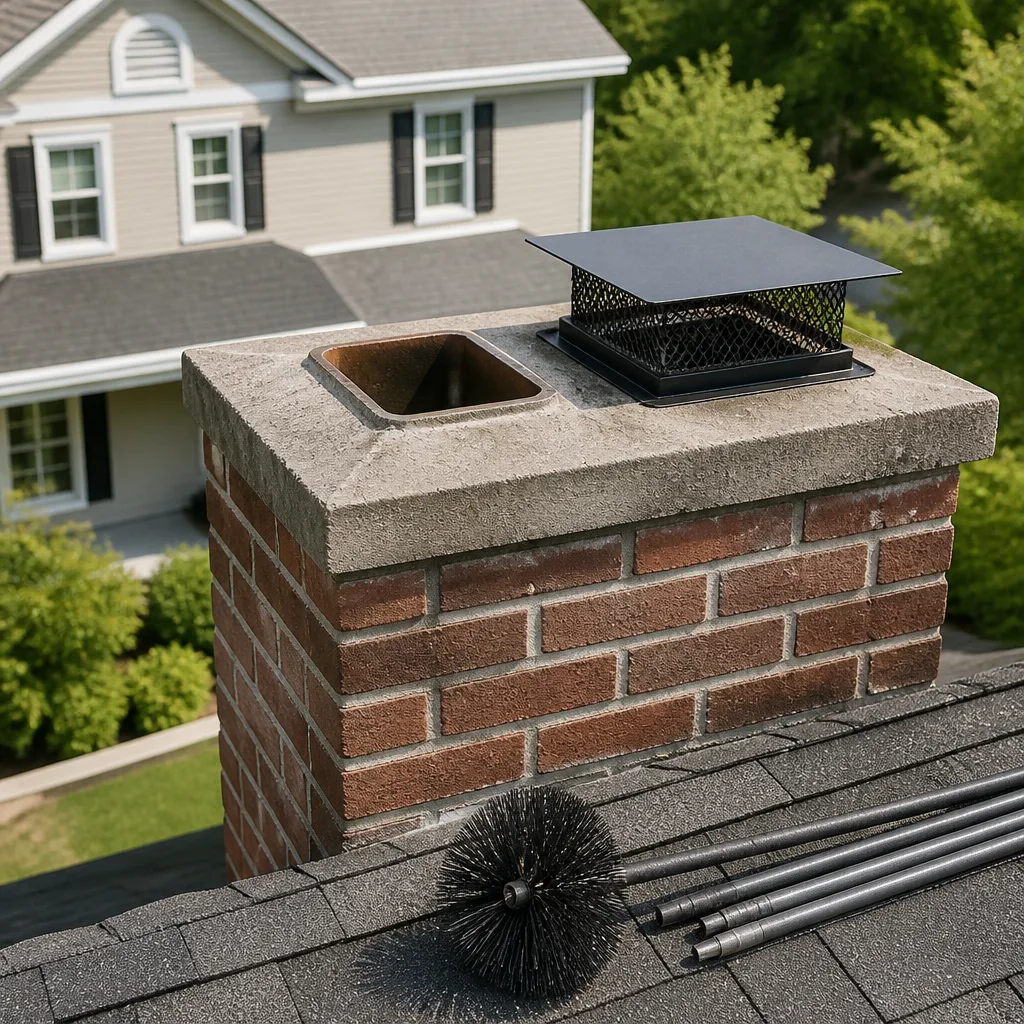 Sweep & inspection
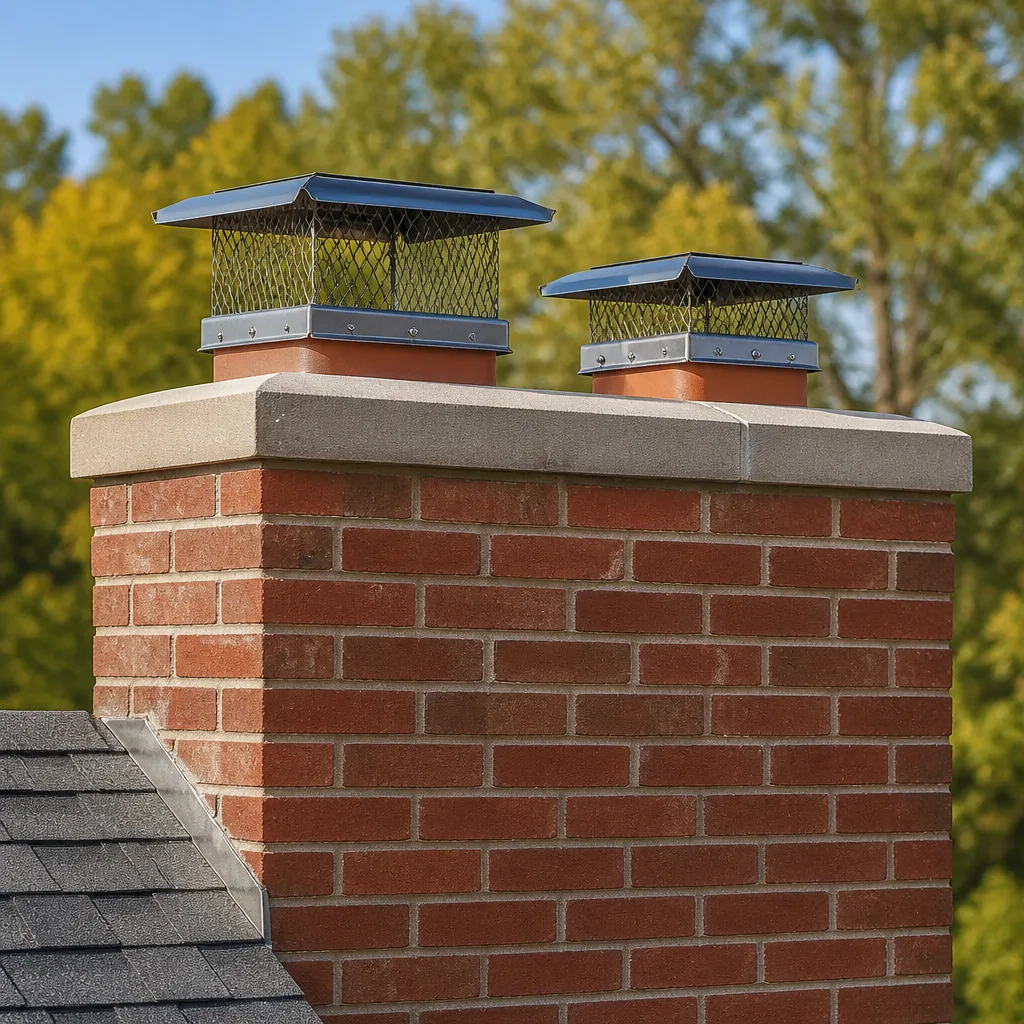 Caps & crowns
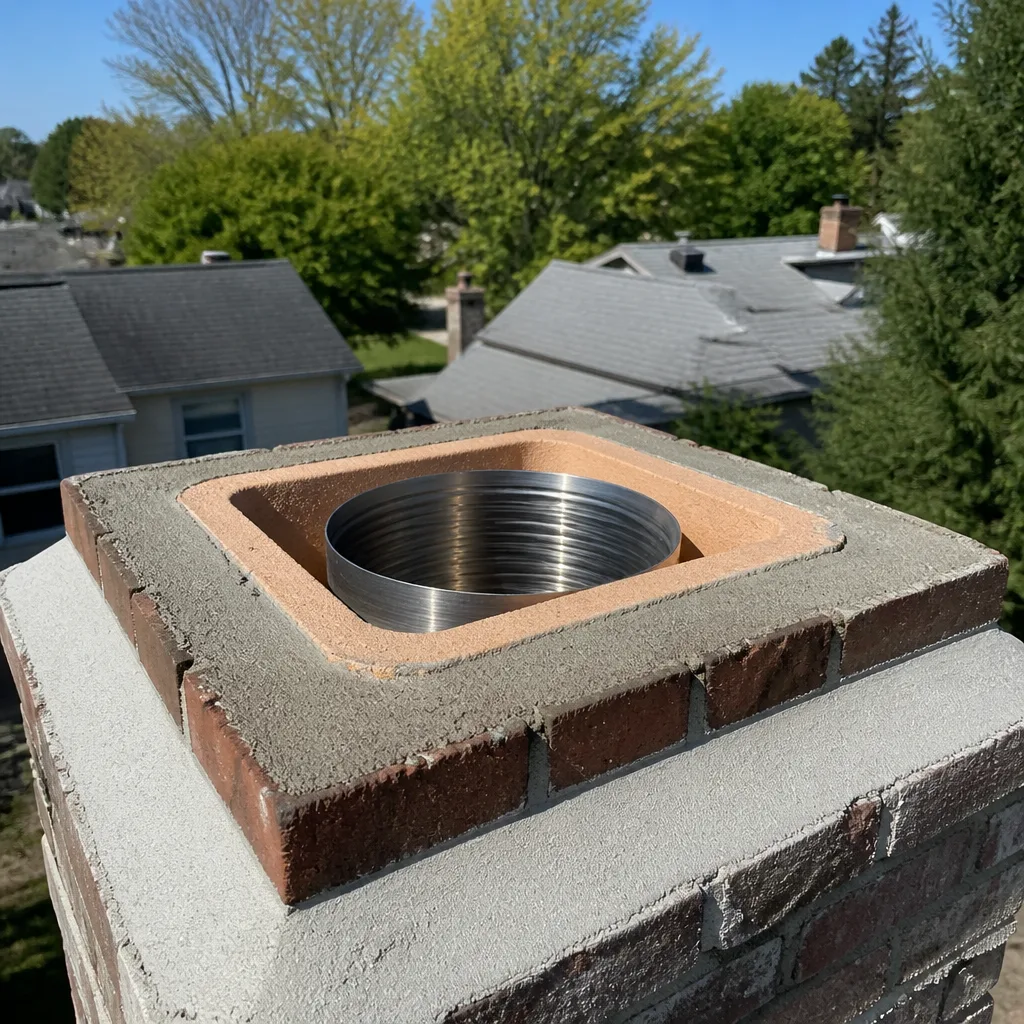 Flue relining
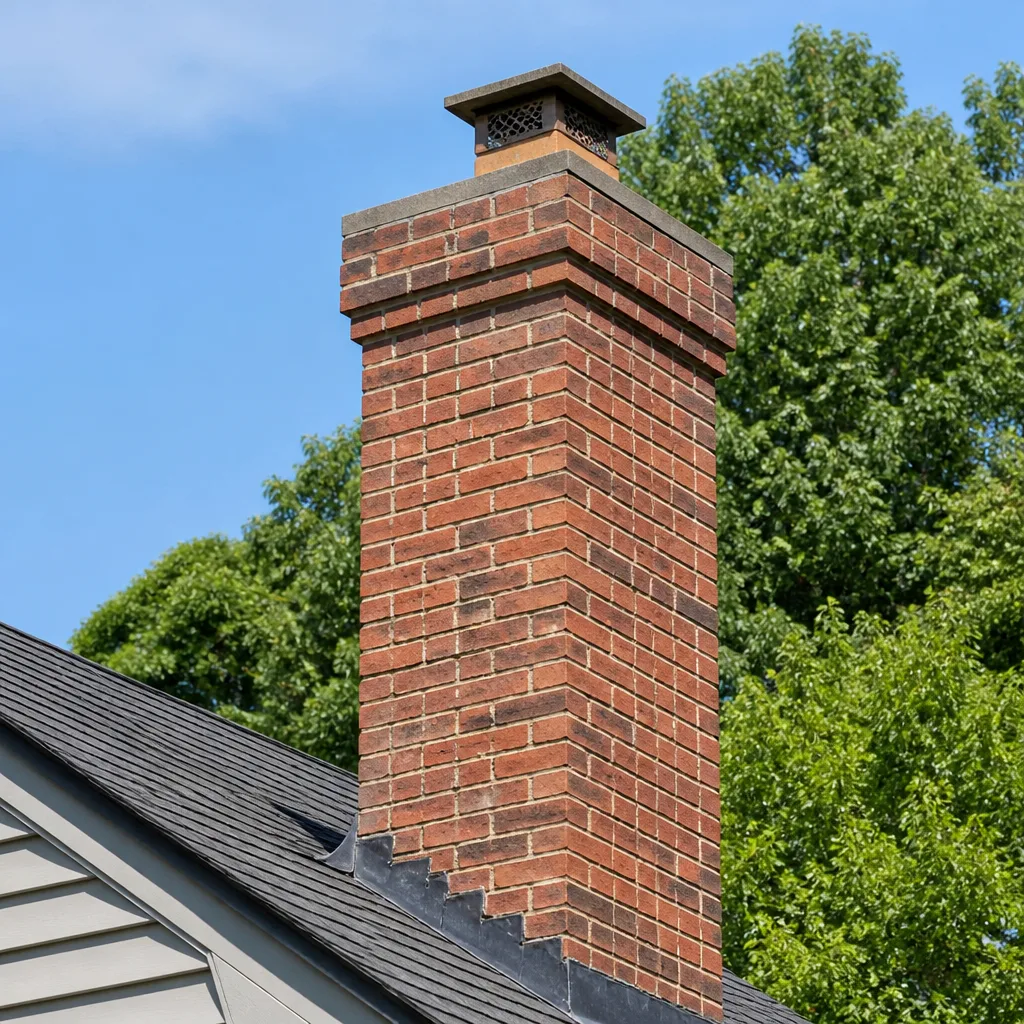 Masonry repair
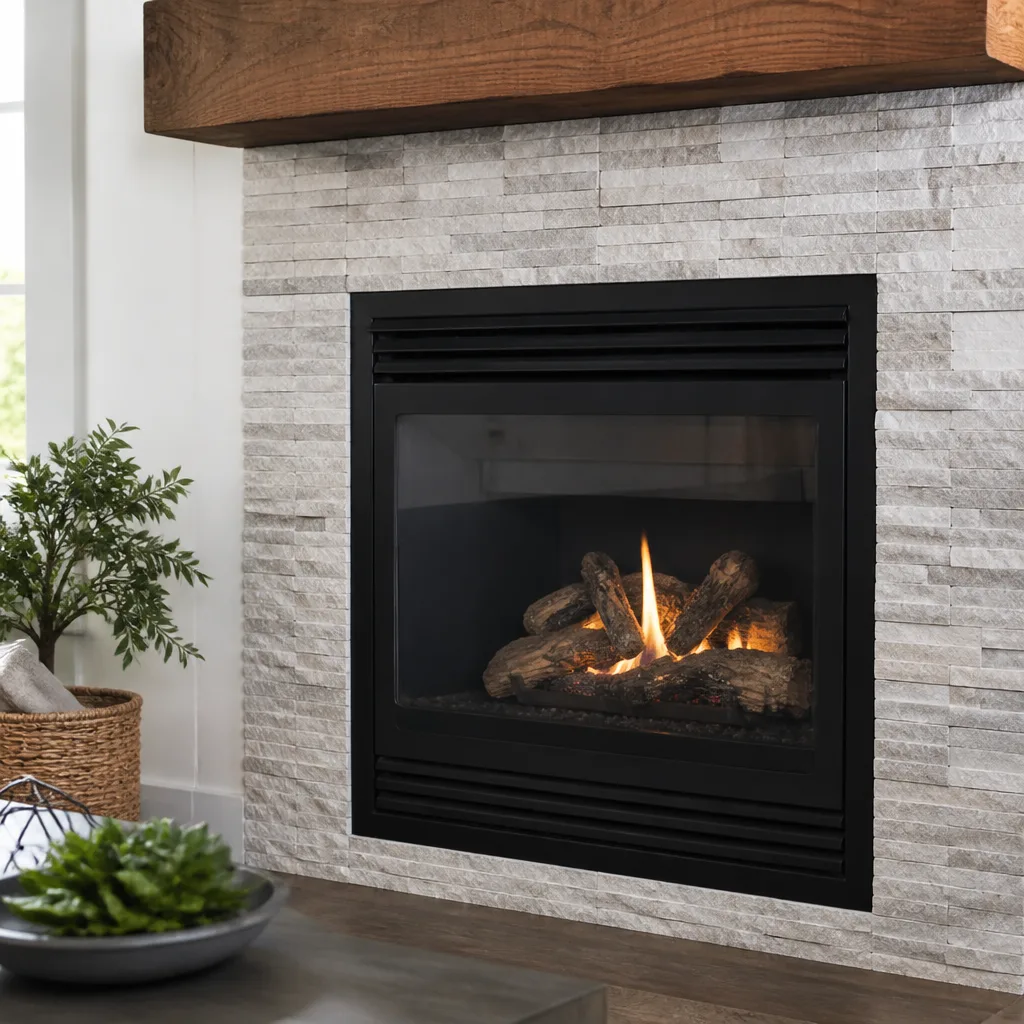 Gas fireplace service
Level 1 sweep and inspection to the NFPA 211 annual standard - flue, crown, cap, and flashing checked and photographed
Chimney sweep logs do not sweep chimneys. They loosen some creosote - which then falls where a brush and vacuum still have to collect it.
Choosing the Right Chimney Cleaning Brand: A Buyer’s Guide for New Braunfels
Here’s something that surprises a lot of homeowners: the black steel cap on top of a chimney and the boxed one at the hardware store can look nearly identical from the ground, and still be separated by a couple hundred dollars. That gap isn’t markup. It’s the gauge of the steel, the quality of the weld, and the fact that one was engineered for a decade of Texas sun and the other for a season or two. We’re Beacon Chimney Sweep, and we work with chimneys in New Braunfels every week. This guide is about the products that go into and onto your chimney – caps, liners, crown coatings, creosote treatments – and how to tell professional-grade materials from the consumer kind. By the end, you’ll know what to ask before anyone touches your roof.
Quick Answer
The right chimney cleaning brand is the one sold through trained contractors and specified for your flue, not the boxed kit at the home center. Professional-grade brands such as Olympia Chimney, DuraFlex, HeatShield, and Copperfield carry real material specifications, transferable warranties, and installation requirements that a certified sweep can meet. Ask any company what brand they’re using and why – a professional with nothing to hide answers plainly. The product brand matters less than whether it was matched to your chimney and installed correctly.
Styles & brands we work with
- Sweep & inspection
- Caps & crowns
- Flue relining
- Masonry repair
- Gas fireplace service
Table of Contents
- Why the Brand Behind the Product Matters
- The Four Product Categories Where Brand Quality Shows
- Liner Systems: Professional Specifications Explained
- The Hardware Store Trap
- How to Ask a Contractor What Brand They Use
- What a Material Warranty Actually Covers
- The Questions That Separate Pros From Pretenders
- Common Mistakes to Avoid
Why the Brand Behind the Product Matters
A chimney is a system, and the parts that keep it safe are mostly hidden. You don’t see the liner unless something is wrong. You can’t judge a crown coating by looking at it from the driveway. That’s exactly why the brand behind the product matters: the parts doing the quiet work are the ones where a cheaper alternative slips in unnoticed. The brand name on the box is your only window into what’s actually up there.
There’s a second reason. Chimney products aren’t interchangeable in the way people assume. A flexible liner rated for a wood-burning insert isn’t the same product as one specified for a gas appliance. A crown coating designed for a masonry crown has different flex and adhesion requirements than a generic sealant. Professional-grade manufacturers publish these specifications and stand behind them. Consumer-grade products tend to publish a price tag and not much else.
In our experience working across New Braunfels, the homes that need a repair most urgently are the ones where somebody installed the wrong product years earlier. The chimney didn’t fail because it was old. It failed because a part was never rated for the job it was asked to do. A cheap liner in a hot flue gives out faster than a properly specified one, and the failure often shows up as a crack you can’t see until someone runs a camera up the flue.
Here’s the practical translation: the brand is a proxy for accountability. When a manufacturer publishes specs and honors a warranty, the contractor installing their product has a reason to install it correctly. When the product is unmarked or generic, there’s no paper trail, no specification to check the install against, and no recourse if something goes wrong. For a system that handles fire and carbon monoxide, that paper trail is the whole point.
The Four Product Categories Where Brand Quality Shows
Chimney work touches dozens of small components, but four categories carry most of the weight. These are the places where professional-grade brands and consumer-grade alternatives diverge meaningfully, and where the difference between five years and five seasons of performance comes down to what was specified.
1. Chimney caps
Caps do more than keep rain out. They keep animals out, spark arrestors do their job, and the cap protects the crown and flue from weather. The difference between a professional-grade cap and a hardware store cap usually comes down to steel gauge and weld quality. A thicker gauge resists denting from debris and holds up to wind; a thin gauge dents, warps, and eventually lets water in sideways. Look for stainless steel construction and a cap sized specifically to the flue rather than a universal fit.
2. Liner systems
Liners are the single most important product in the category, because they’re the part that handles the heat and the exhaust. Professional-grade flexible liner systems from brands like DuraFlex and Olympia Chimney are rated to specific temperature thresholds and come in sizes matched to the appliance. A generic liner might meet a lower threshold or an undersized spec. This is where the flue’s integrity lives, and we’ll spend more time on it in the next section.
3. Crown coatings
The crown is the concrete or mortar top of the chimney. It takes the worst of the weather. Crown coatings that don’t flex with the masonry will crack within a couple of winters, and once cracked, water gets behind the crown and into the chimney structure. Professional products – like those used with HeatShield resurfacing – are engineered to bond and flex with the masonry. Consumer patch products dry hard and crack. See our chimney repair page for how we handle crown and flue restoration together.
4. Creosote treatments
Creosote is the tar-like residue from wood smoke, and it’s the fuel for most chimney fires. Chemical treatments don’t replace sweeping – we want to say that clearly – but professional-grade creosote conditioners are formulated to convert glazed creosote into a form that can be swept out effectively. They’re used after a professional assessment, not as a substitute for one. A treatment applied without a camera inspection is really just guesswork.
Liner Systems: Professional Specifications Explained
Liner specifications are where most homeowners start to glaze over, so let’s keep this concrete. A flexible liner is rated by temperature tolerance, wall thickness, and appliance compatibility. Professional-grade brands publish those numbers clearly. Consumer alternatives often don’t, or they publish a lower spec that works for mild conditions but not the heat of a wood-burning insert running hard in January.
In the Hill Country climate, that high-temperature spec matters as much as anything. New Braunfels has hot summers and mild winters, and a chimney that’s been idle all summer hits a rapid temperature swing when the first fire of the season runs. Materials with a narrow temperature band handle that swing poorly. Professional-grade liners are specified with that in mind.
Here’s the checklist we recommend any homeowner run through with their contractor before a reline:
- Temperature rating: Is the liner rated for the appliance it’s protecting – wood-burning stove insert, fireplace, or gas appliance? Those aren’t the same product.
- Wall thickness: Thin-walled liners flex more easily into tight flues but wear faster. Thicker walls cost more and last longer. Ask which was chosen and why.
- UL listing: A listed liner has been tested to a published standard. An unlisted one hasn’t. Ask to see the listing before installation.
- Insulation: Many installations call for an insulated wrap around the liner to maintain temperature and protect against condensation. Ask whether it’s included in the quoted price.
- Fitting: A liner that doesn’t follow the flue has gaps and gas leaks around it. Ask how the fit is verified – camera inspection after install is the standard.
DuraFlex flexible liner systems are a good example of the professional-grade approach: multiple temperature ratings and wall thicknesses, a published specification sheet, and installation requirements a certified technician can follow. Olympia Chimney liner systems work the same way. When a contractor uses one of those brands, they’ve signed up for a specific way of doing the job. That’s the accountability you’re shopping for.
The Hardware Store Trap
The hardware store trap works like this: a product is sold to homeowners in a box, marketed for DIY use, but it only performs as rated when it’s installed by someone with the right training and tools. Sometimes it’s a crown patch sold as a weekend project. Sometimes it’s a chemical treatment sold without instructions for how to apply it safely. Sometimes it’s a cap that fits dozens of flue sizes because it fits none of them perfectly.
We’ve seen the results of that trap in New Braunfels more than a few times. A crown patch that dried too fast and cracked within months. A cap that was a quarter-inch too small and let water in at the seam. A chemical creosote treatment applied to a flue that hadn’t been inspected first, so nobody noticed the crack behind it. The homeowner spent real money and got a fix that lasted a season or less.
There’s a less obvious version of the trap too. Some products are physically safe to install yourself but require a professional install to maintain the warranty. You buy the product, install it yourself, and the warranty is void from day one. When the liner fails early, there’s no replacement. The professional-grade brands we work with spell this out clearly on the box and in the spec sheet – and the warranty depends on trained installation.
This is why our approach is straightforward. We don’t sell boxed kits. The products we install come from a professional-grade supply chain: DuraFlex, HeatShield, Gelco, Olympia Chimney, Famco, and Copperfield. These brands are specified for the trades and carry installation requirements we can meet. If a homeowner asks what we’re using and why, we should have a plain answer.
How to Ask a Contractor What Brand They Use
Asking a contractor what brand they’re using shouldn’t feel awkward. A professional with nothing to hide answers plainly and quickly; the answer is the kind of thing we’re happy to talk about because it reflects the standards behind the work. If the answer is vague, that’s your signal.
Here’s how to ask, in order:
- “What brand and model are you putting on my chimney?” A pro knows without checking. A generalist handyman who sweeps chimneys on the side often doesn’t.
- “Why that one and not another?” The reasoning should mention your chimney, your appliance, or your flue condition – not just that it was what was available.
- “Can you show me the spec sheet?” Professional-grade manufacturers publish specifications. A pro can provide them. A consumer product often can’t.
- “What does the warranty cover, and does it transfer if I sell my house?” More on that below.
- “Who installs it?” The crew doing the install should be the crew who diagnosed the problem. If the diagnosis and the fix are split between two companies, the accountability is split too.
- “Will you camera-inspect after the install and show me the footage?” This is the standard any professional-grade installation should meet.
We’ve built our service model around how a homeowner wants to ask these questions. The chimney sweep, inspection, and repair are handled by the same team from diagnosis to finished job, so there’s no handoff to a subcontractor and no confusion about who specified the product. When we use a brand like Copperfield or Famco in New Braunfels, the same team that recommended it will be the one on the roof installing it.
One more thing to ask, because it’s the one competitors skip: “If my chimney doesn’t actually need the repair, will you tell me?” The answer should be immediate. A professional’s job is to tell you what they found and what it means, not to upsell a product you don’t need. If a homeowner’s chimney is safe and working, we want to say so and schedule the next sweep. Not every crack needs a liner. Not every crown needs replacing. The brands we use are the ones worth using when you actually need the work.
What a Material Warranty Actually Covers
Chimney product warranties vary widely, and most homeowners never read them. That’s a mistake. The warranty is where a manufacturer puts its money behind the spec sheet.
Here’s what to look at:
- Term length: Professional-grade liner systems often carry long warranties. Consumer-grade products often carry very short ones, or none at all. The length is a rough index of the manufacturer’s confidence in the product.
- What’s covered: A warranty that covers manufacturing defects isn’t the same as one that covers performance. Read the language carefully. “Defects in materials or workmanship” is standard language; “failure under rated conditions” is better.
- What voids it: Most professional warranties require installation by a trained professional. That’s not a trick – it’s a specification. A liner rated for 2100°F installed by someone who pinched it against a masonry edge during installation isn’t going to perform as rated, and the warranty reflects that reality.
- Transferability: This is where resale comes in. A warranty that transfers to a new homeowner adds value to the house. A warranty that doesn’t transfer means the buyer inherits a chimney whose history they can’t verify. If you’re planning to sell in the next several years, ask the contractor whether the warranty transfers. It’s a real question that separates professional-grade products from consumer-grade ones.
If a contractor can’t answer what the warranty covers and whether it transfers, that’s not a reflection on the product. It’s a reflection on the contractor. A pro working with professional-grade brands should know the warranty terms cold. We do.
The Questions That Separate Pros From Pretenders
The chimney cleaning industry has plenty of competent companies and plenty of generalists who sweep as one of forty things they do. The brands on the truck are a good proxy for which one you’re talking to. Here are the questions that tell them apart, and the answers that the professional answer looks like.
“What’s your certification?”
Chimney sweeps in Texas aren’t licensed by the state the way plumbers and electricians are, but the trade has a national certification body. A certified sweep has passed a written exam and has references. Ask for the certification and verify it independently. If the answer is “I’ve been doing this a long time,” that’s not a certification.
“Do you camera-inspect the flue?”
Every professional-grade installation should be preceded and followed by a camera inspection. If a contractor is willing to install a liner without checking what’s behind it, they’re guessing. Our inspections include a camera pass and a photo report, and we share the footage before recommending anything.
“Do you sweep and repair, or just one?”
A sweep-only company finds problems and hands them off. A repair-only company doesn’t know what was swept and how. The best model is single-company: sweep, inspect, and repair all from one team. It’s the model we run in New Braunfels because it’s the one that lets us stand behind the work.
“What brands do you install?”
A pro can name them without pausing. We work with a roster of professional-grade brands – DuraFlex, HeatShield, Gelco, Olympia Chimney, Famco, and Copperfield – and can tell you which one fits a given job.
“Can you show me the invoice from your supplier?”
This is unusual to ask, but it separates a professional supply chain from a generalist who’s buying at the same home center you can walk into. If a contractor’s answer is “I’d have to check,” that’s already the answer.
“What happens after the work is done?”
A pro camera-inspects after the install and gives you a report. A lesser contractor collects a check and leaves. The one-page post-install report is part of what you’re paying for, and it’s how you know the job was actually completed to spec.
Common Mistakes to Avoid
Here are the specific missteps we see most often in New Braunfels. None of them are exotic. Each one is a small decision that turns into a real problem a few seasons down the line.
- Buying the boxed product and assuming warranty coverage. Most professional-grade chimney warranties require trained installation. A boxed product installed over a weekend often carries no coverage at all, and the buyer doesn’t find out until something fails. If you’re going to spend the money, spend it on a warrantied install.
- Hiring a general handyman to save money on the sweep. Chimney work is a specialized trade that touches fire and carbon monoxide. A handyman who’s swept chimneys on the side can’t tell you what brand he’s installing or why. When he misses a crack in the flue, you inherit the risk.
- Skipping the annual inspection because the sweep “looked fine” last year. A sweep clears what’s visible; an inspection verifies what isn’t. The two are different services, and both matter. New Braunfels homes with mature trees around the chimney often pull in debris that doesn’t show up on a sweep alone.
- Assuming a cap is a cap. Universal caps are a common hardware store buy. They leak at the seam, warp in the wind, and let water in sideways. A cap sized to your flue and built from properly gauged stainless steel is a small cost difference and a significantly longer life.
- Thinking the brand matters less than the price. It’s tempting. The brand is a proxy for the specification, the installation requirements, the warranty, and the accountability. A generic product that saves a few hundred dollars up front can cost more over time in early replacement and secondary damage.
- Ignoring the transferability question at resale. If you’re selling within a few years, ask whether the product’s warranty transfers. A non-transferable warranty on a chimney is a piece of paper the buyer can’t use. A transferable one is a selling point.
- Treating a creosote treatment as a substitute for sweeping. Professional-grade treatments help convert glazed creosote into a sweepable form, but they don’t remove it. They work in sequence with a sweep, after an inspection, as part of a plan.
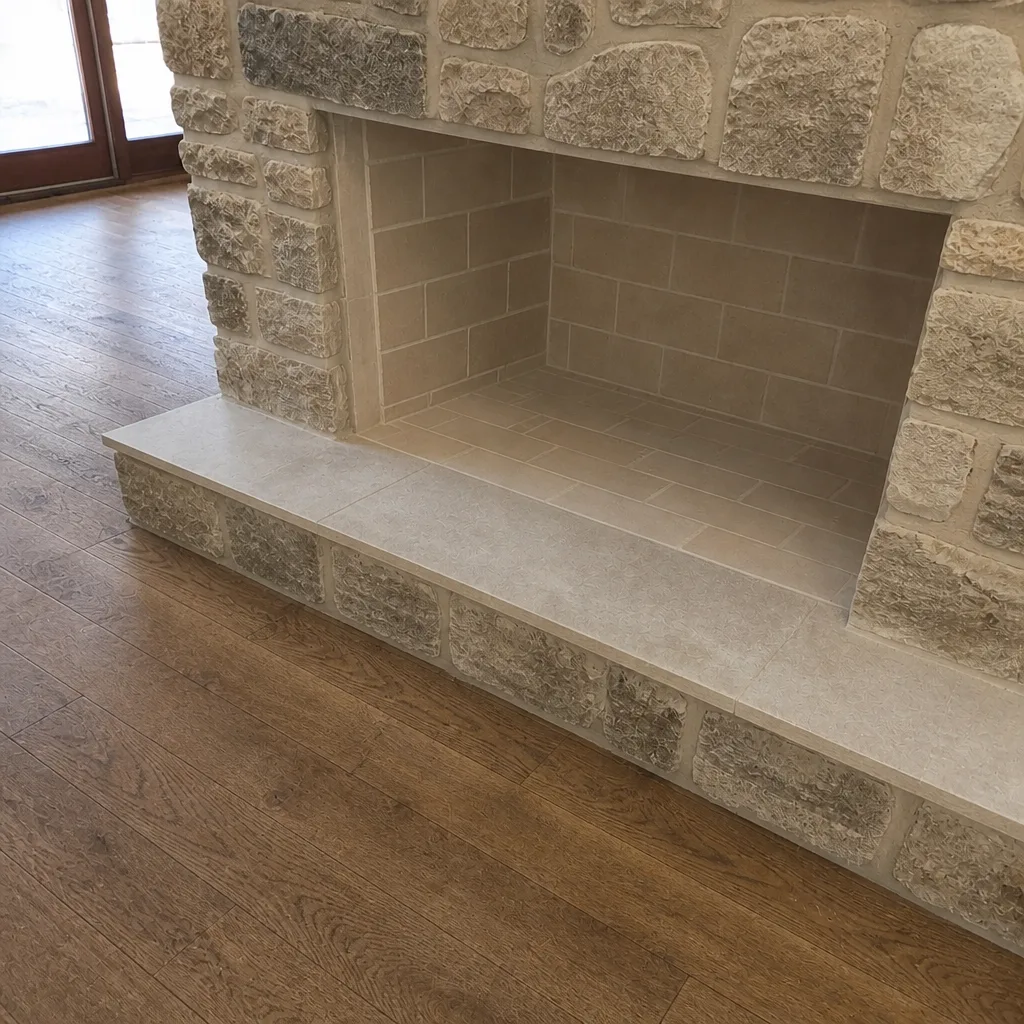
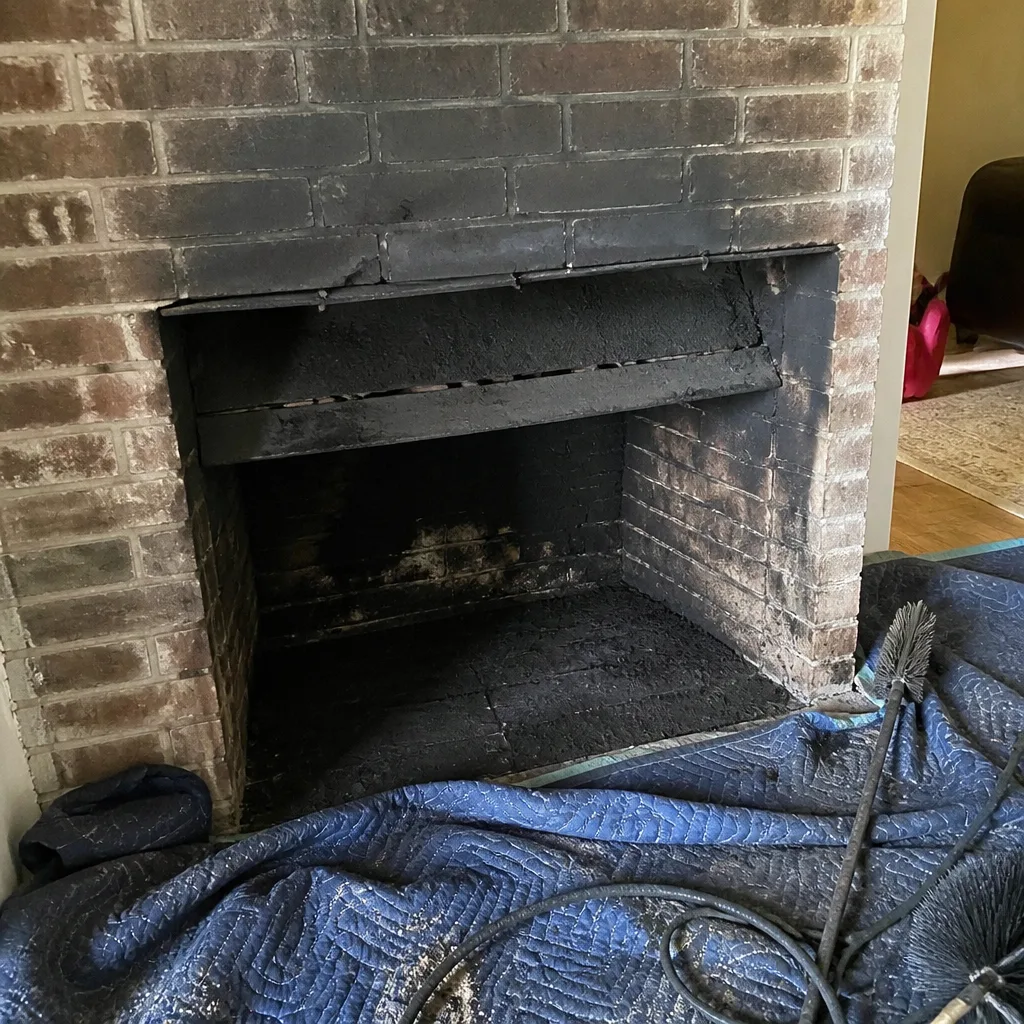
See the difference
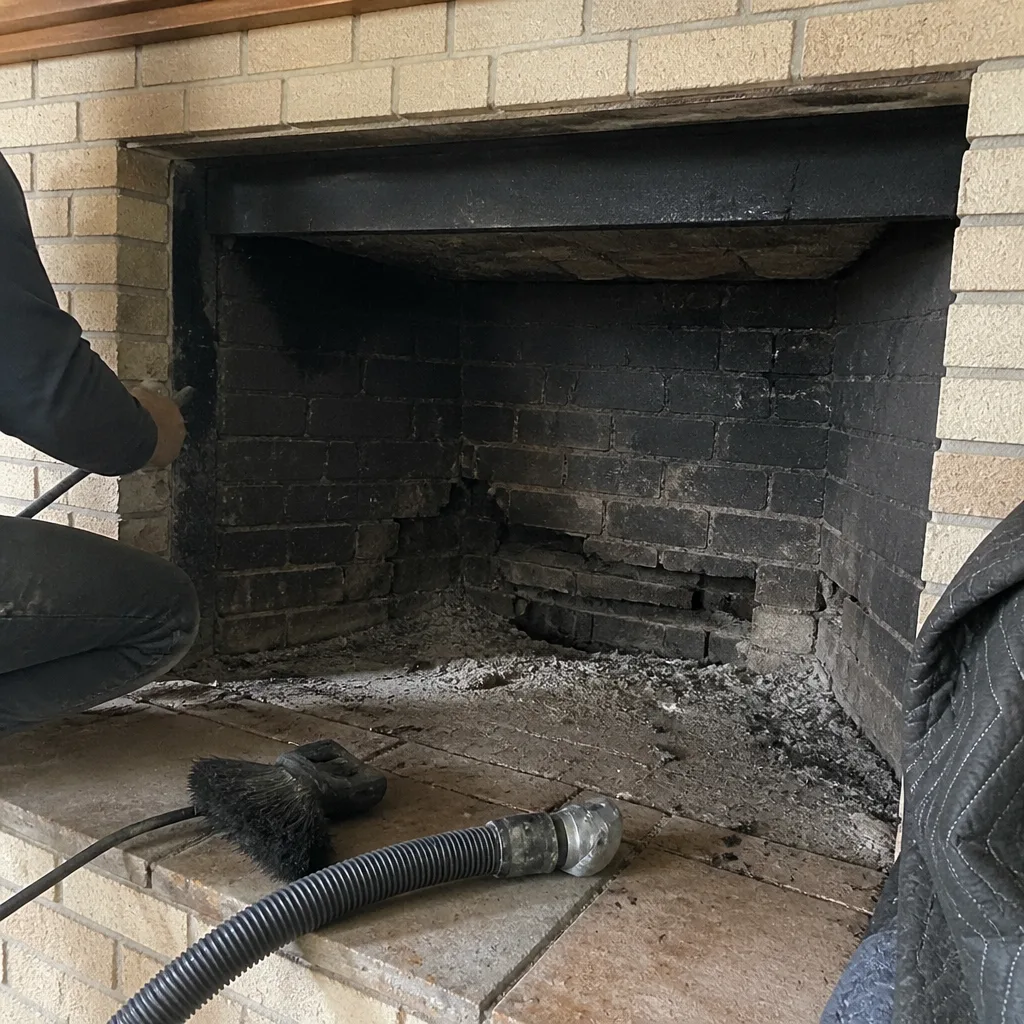 Before
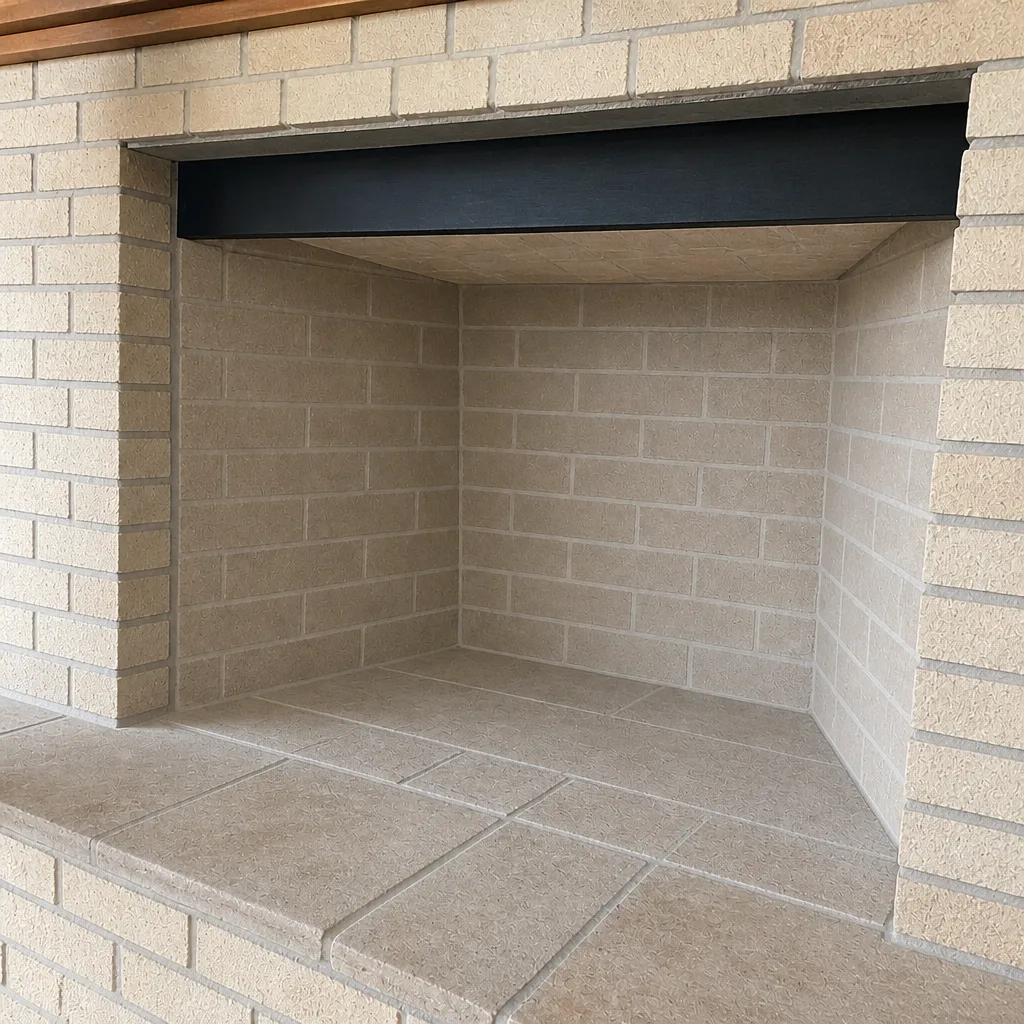 After
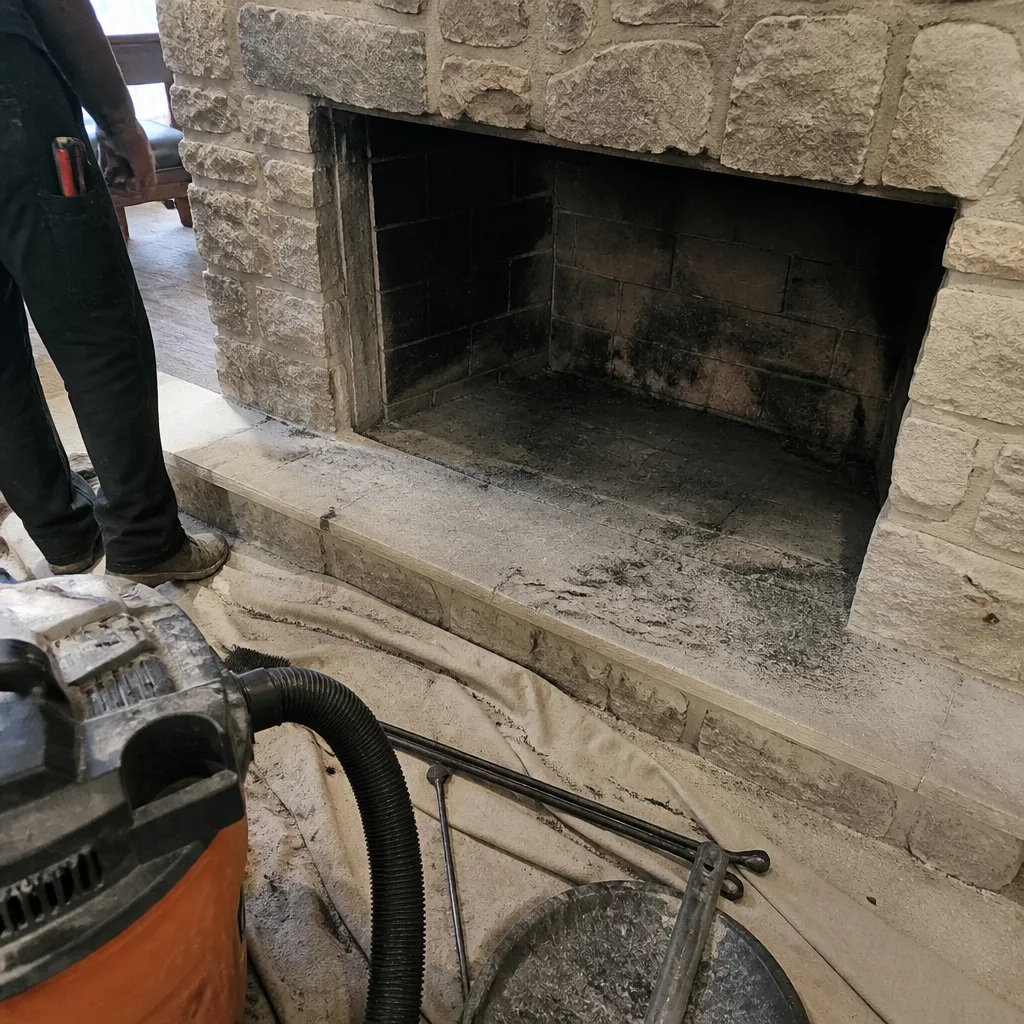 Before
 After
 Before
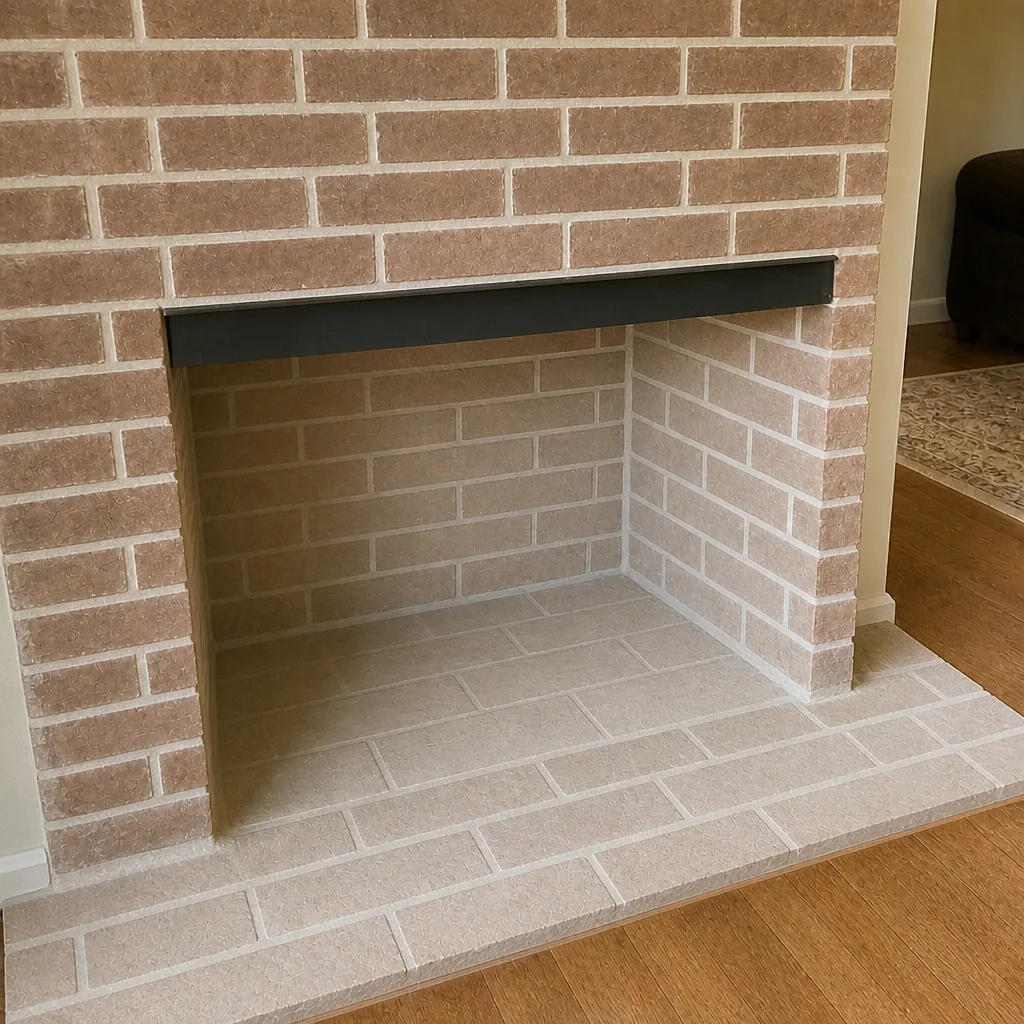 After
When to Call a Professional
If you’re reading this guide and you’re not sure whether your chimney needs an annual sweep or something more, call. The following situations call for a professional visit rather than a weekend DIY attempt:
- You haven’t had the chimney inspected in a year or more, especially if you burn wood regularly.
- You smell smoke in the room when no fire is burning – it can signal a blockage, a cracked flue, or a liner failure.
- You see creosote buildup, especially glazed creosote, on the flue walls.
- The crown is cracked, the cap is missing or damaged, or there’s visible water staining on the chimney or ceiling.
- You’re adding a wood-burning stove insert and the existing flue needs a liner specified for it.
- You’re buying or selling a New Braunfels home and want a camera-inspected record of the chimney’s condition.
Chimney work around fire and carbon monoxide isn’t a project to learn on. The professional approach includes the right tools, a camera, a documented inspection, and a plan. Beacon Chimney Sweep offers free estimates in New Braunfels – call (888) 401-6898. We’ll tell you what we found, what it means, and what it’ll take to fix it. No upsell theater.
Frequently Asked Questions
There’s no single best brand, because the right liner is chosen by flue size, appliance type, and condition. Professional-grade liner systems from DuraFlex and Olympia Chimney both publish the specification sheets a homeowner needs to verify the choice. What matters most is that the liner is listed for the appliance it’s protecting, correctly sized, and installed by a trained technician who camera-inspects after install.
A professional-grade stainless steel cap is worth the difference if your chimney is exposed to weather and wildlife – and in New Braunfels, it is. Hardware store caps are often thinner gauge and universal fit, which means they can warp, leak at the seam, or fit imperfectly and let water in sideways. A properly sized professional-grade cap lasts much longer and protects the crown and flue better.
Professional-grade chimney warranties typically cover material defects and specify that installation must be performed by a trained professional to keep coverage valid. Consumer products usually carry much shorter or no warranties. Before any work, ask what the warranty covers, how long it lasts, and whether it transfers to a new homeowner if you sell. A professional contractor should know the answer without looking it up. Call (888) 401-6898 for an exact quote – estimates are free.
It depends on the flue’s condition, accessibility, and whether an inspection is included, so we set the price per job by a written estimate rather than a flat rate. The estimate is free, and it’s itemized so you can see exactly what’s being done. Call (888) 401-6898 for an exact quote. The written estimate sets the final price, so there are no surprises on the invoice.
Once a year for most homes that burn wood regularly, and more often if you burn green wood, burn frequently, or have a wood-burning stove insert. An annual sweep paired with an inspection catches small problems before they become structural. If it’s been longer than a year, it’s worth a call before the next burn season. We answer 24/7 – fast dispatch from 7am to 7pm.
No – this is one of the jobs we strongly recommend against doing yourself. Liner installation involves working on a roof, sizing the liner to the flue, bridging appliance connections, and verifying the fit with a camera. Improper installation can void the product’s warranty and, more importantly, create a carbon monoxide or fire risk. A professional install is the only way to keep the warranty valid and the flue safe.
Professional-grade creosote treatments are formulated to convert glazed creosote into a form that can be swept out effectively, and they’re applied as part of a planned sequence after an inspection. Consumer treatments often sit on the surface without changing the creosote’s structure, so they don’t help much. The treatment is a small part of the job – the inspection and sweep are what do the real work.
Ask four things: what brand and model they’re installing and why, whether the warranty transfers at resale, whether they camera-inspect before and after, and who actually does the install (their team or a subcontractor). A pro with nothing to hide answers all four plainly. Call (888) 401-6898 if you’d like to run through those questions with us.
The Bottom Line
The choice of chimney product brand is really a choice about accountability. A professional-grade liner, cap, crown coating, or treatment carries a published specification, an installation requirement, and a warranty the contractor can stand behind. A consumer-grade product carries a price and not much else. When you hire a sweep, ask what they’re using and why. Ask about the warranty. Ask whether they camera-inspect. The answers are your signal. Beacon Chimney Sweep handles sweeping, inspection, and repair with a professional-grade supply chain – DuraFlex, HeatShield, Gelco, Olympia Chimney, Famco, and Copperfield – so the fix outlasts the invoice. If you’re in New Braunfels and want a plan for your chimney, call (888) 401-6898. We answer 24/7. Fast dispatch from 7am to 7pm, Sunday through Friday. Estimates are free.
Written by the team at Beacon Chimney Sweep.