
Last updated November 15, 2026
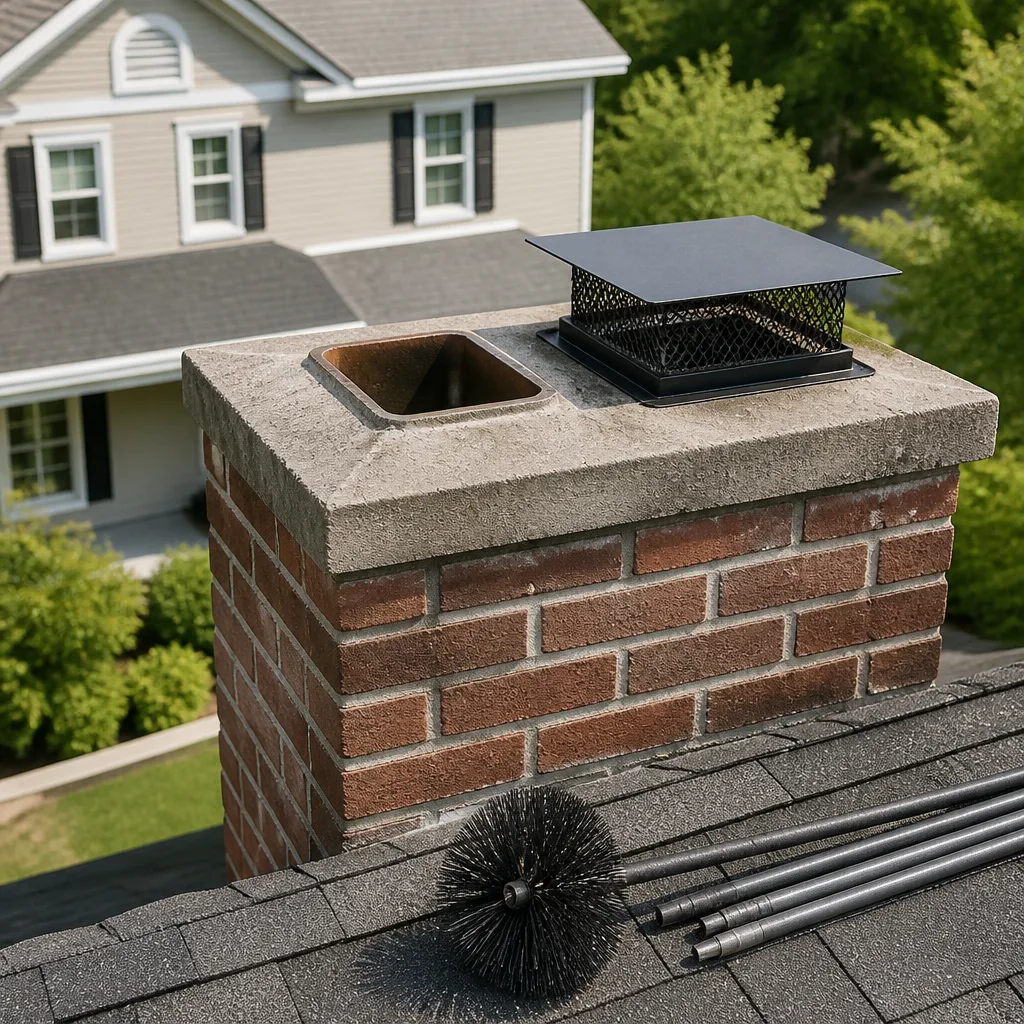 Sweep & inspection
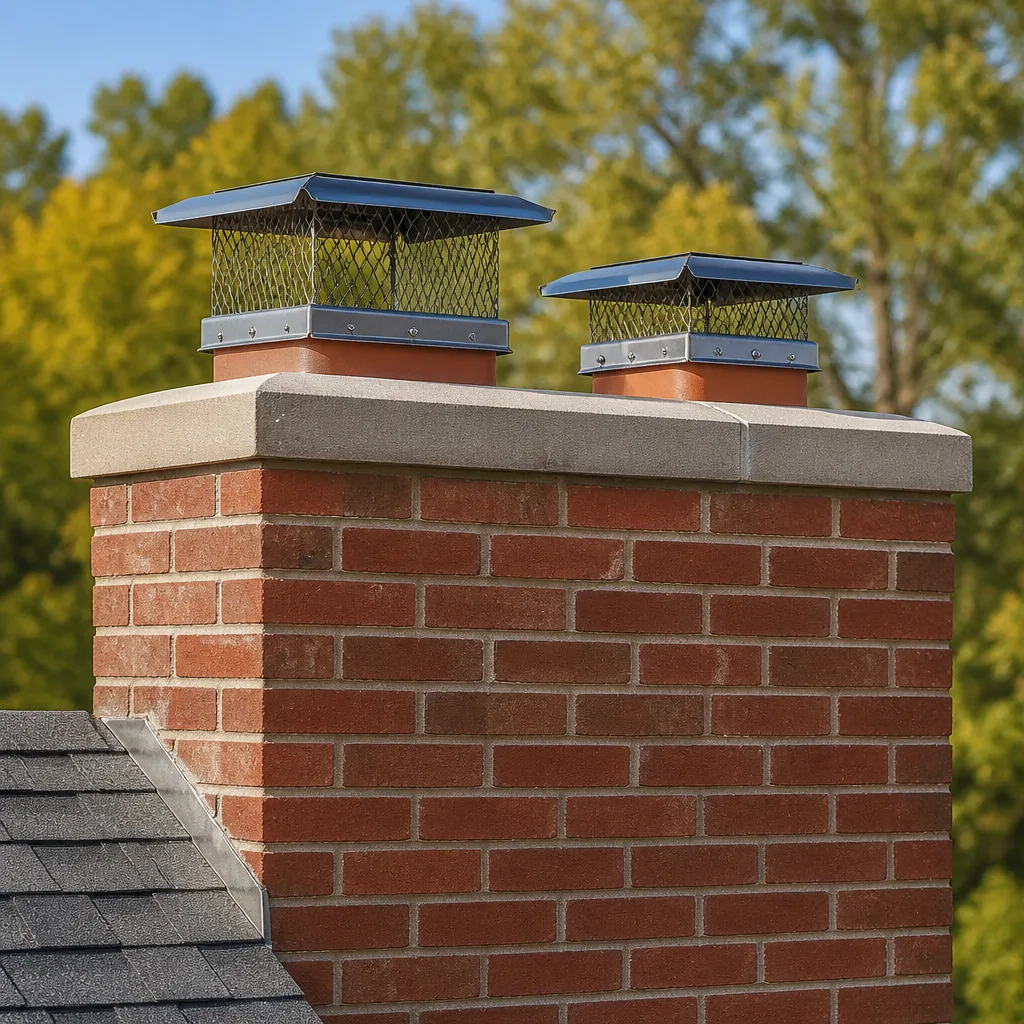 Caps & crowns
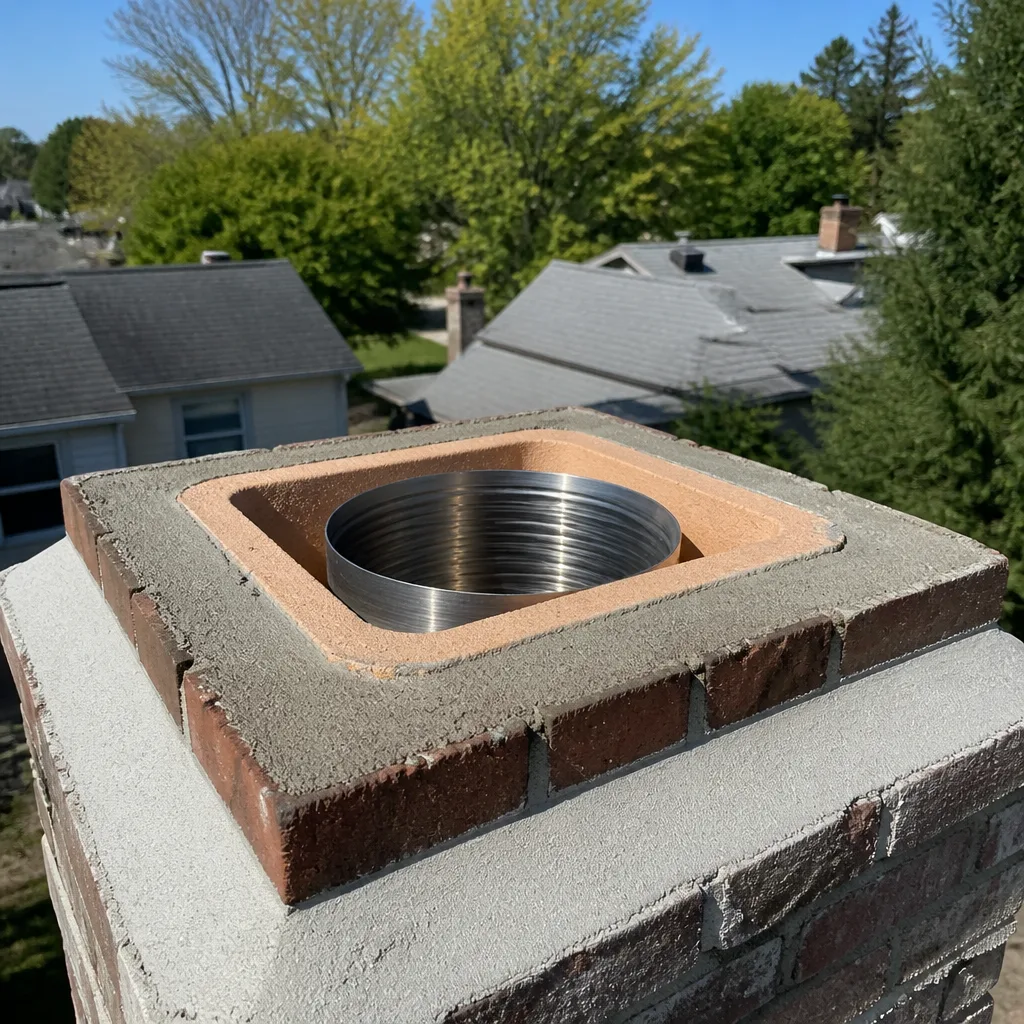 Flue relining
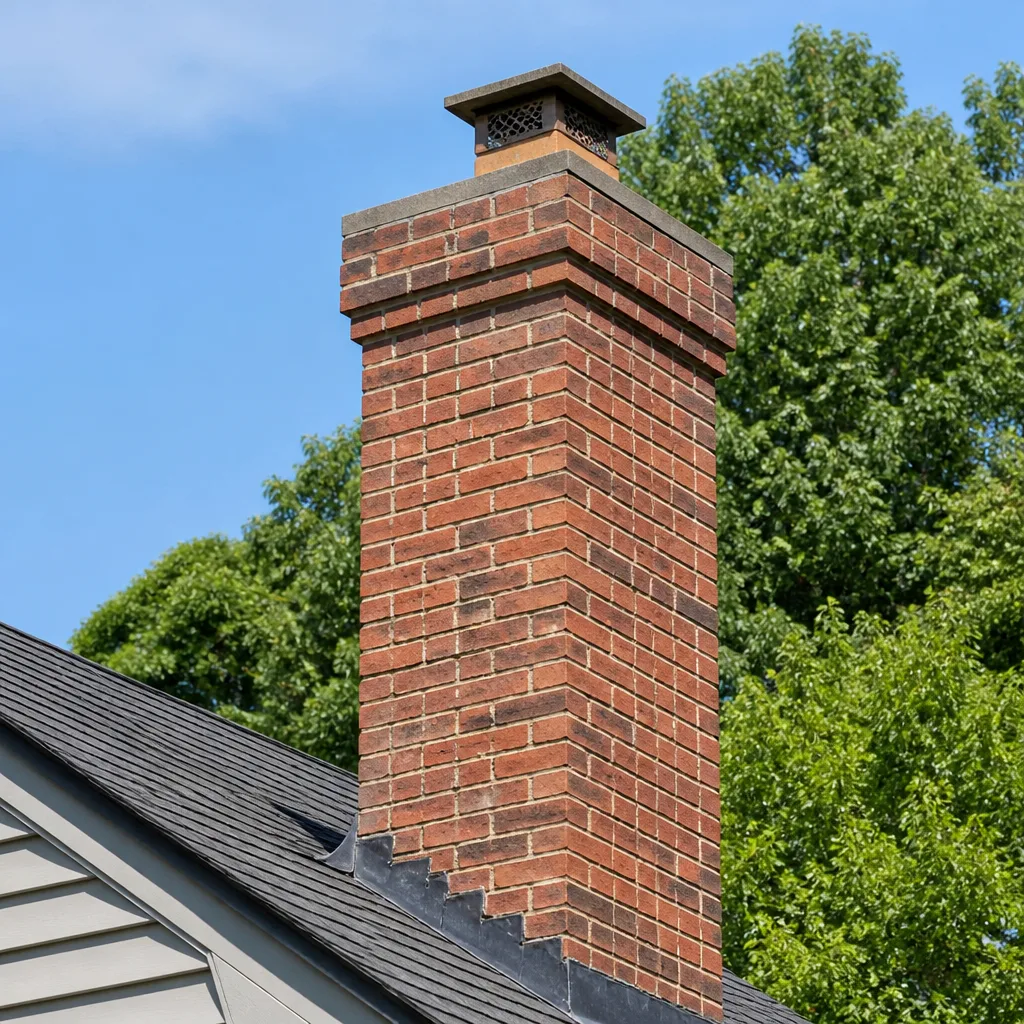 Masonry repair
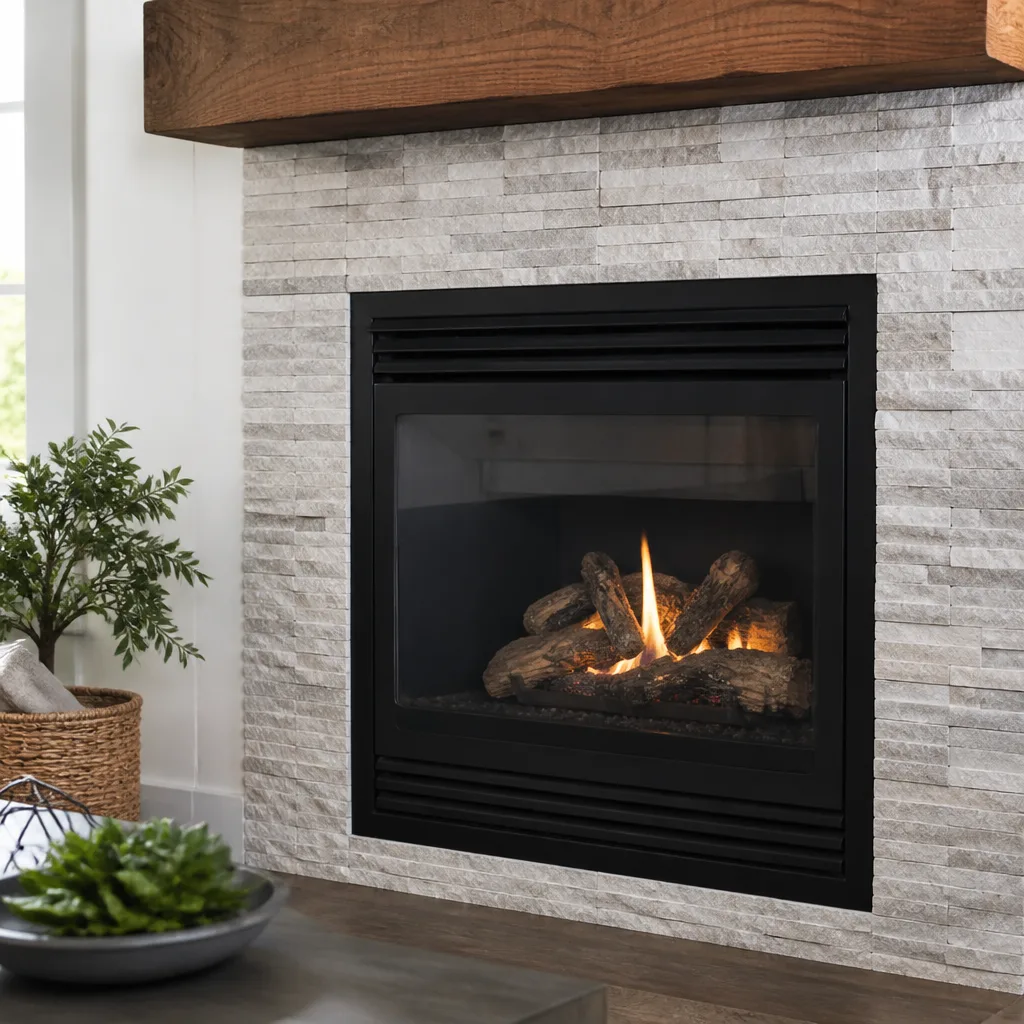 Gas fireplace service
Level 1 sweep and inspection to the NFPA 211 annual standard - flue, crown, cap, and flashing checked and photographed
Chimney sweep logs do not sweep chimneys. They loosen some creosote - which then falls where a brush and vacuum still have to collect it.
How to Hire a Chimney Cleaning Contractor in New Braunfels: A Step-by-Step Guide
CSIA certification takes roughly 100 hours of study and a proctored exam. Nothing stops an unlicensed handyman from listing “chimney sweep” on their website tomorrow. That gap is the whole problem. In a city where generalist handymen regularly tack “chimney cleaning” onto a long service list, the name on the truck tells you very little about what happens on your roof. This guide gives you a screening process: what certification actually means, which questions expose a brusher pretending to be a diagnostician, and how to read a written estimate for what it leaves out. By the end you’ll know how to vet a chimney contractor in New Braunfels before anyone climbs a ladder.
Quick Answer
To hire a chimney cleaning contractor in New Braunfels, verify CSIA certification directly through the CSIA’s own searchable directory rather than taking a website badge at face value, confirm the company offers inspection and repair alongside sweeping, and insist on a written estimate that itemizes the sweep, a camera inspection, and any recommended repairs. A real chimney professional will happily answer questions about liner condition, draft testing, and smoke chamber evaluation before booking. If a contractor can’t discuss those three things, they’re brushing, not diagnosing.
Styles & brands we work with
- Sweep & inspection
- Caps & crowns
- Flue relining
- Masonry repair
- Gas fireplace service
Table of Contents
- Why the New Braunfels Chimney Market Is Hard to Read
- What CSIA Certification Actually Means and How to Verify It
- The Questions That Reveal a Diagnostician vs. a Brusher
- A Step-by-Step Screening Process Before You Book
- How to Read a Written Estimate Line by Line
- Why the Lowest Quote Usually Isn’t the Cheapest
- Why Full-Scope Companies Protect You From Referral Conflicts
- Red Flags and Common Mistakes to Avoid
Why the New Braunfels Chimney Market Is Hard to Read
New Braunfels sits in a part of Texas where fireplaces get real but seasonal use. Winters are mild enough that a wood-burning fireplace becomes a cool-evening pleasure rather than a heating necessity, and that changes how people maintain them. A chimney that gets lit thirty times a year still accumulates creosote. It still develops cracked flue tiles from heat cycling. The difference from a cold-climate market is that problems build quietly and slowly, and homeowners in New Braunfels often don’t think about the chimney between the last fire of spring and the first of fall.
Into that gap step the generalists. Handymen, roofers, and air duct cleaners in and around New Braunfels regularly advertise chimney cleaning as an add-on. Some of them do a competent brush-out of the firebox and the flue above it. Very few of them are equipped to look at what’s happening inside the flue with a camera, evaluate the smoke chamber, test draft, or do anything meaningful with what they find. The service is a line item on an invoice, not a diagnosis.
This matters because a chimney sweep is partly an inspection. The act of cleaning a flue means someone is up close to the flue walls, the damper, the smoke shelf, and the crown. A trained technician notices things during a sweep that a generalist simply doesn’t have the background to recognize. If your flue liner is deteriorating, a brush passes over it and the invoice reads “swept.” If your smoke chamber has heavy creosote glaze, a brush may not touch it and nobody tells you. The market isn’t full of scammers so much as it’s full of people doing a partial job without knowing it’s partial.
New Braunfels has also grown fast. Newer construction in the area includes gas fireplaces and factory-built wood units alongside older masonry chimneys, and each type has its own maintenance profile and inspection expectations. A contractor who works almost exclusively with older masonry chimneys may be less fluent in what a modern factory-built insert needs, and vice versa. When we evaluate a chimney, we want to know exactly what we’re looking at before we quote anything – which is why the screening questions in this guide are built around how a contractor thinks, not just what they charge.
What CSIA Certification Actually Means and How to Verify It
The Chimney Safety Institute of America (CSIA) is the industry’s main credentialing body. CSIA certification means a technician has passed a proctored exam and committed to a code of ethics, and the certification requires continuing education to maintain. The exam isn’t trivial – the study commitment runs around 100 hours for most candidates. It’s the single most useful shorthand for telling a trained chimney professional from someone who added the service to a website.
Here’s the part most homeowners get wrong: they see a CSIA logo on a website and stop there. A logo is an image file. Anyone can upload one. The credential belongs to an individual technician, not to a company, and it must be verified against the CSIA’s own directory. That directory is public and searchable by name and location.
Verification steps:
- Ask the contractor which specific technicians on their team hold CSIA certification, and get names.
- Look those names up yourself in the CSIA’s public certified-sweep directory.
- Confirm the certification is current, not lapsed – the directory shows status.
- Ask whether the person coming to your home is the certified technician or someone else on the crew.
- If the company claims “CSIA-trained” rather than “CSIA-certified,” treat that as a different and lesser thing. Training without certification means no exam, no code of ethics, no continuing education requirement.
One honest note: a lack of certification on a company’s website doesn’t automatically make them bad, and a website badge doesn’t automatically make them good. But you’re letting someone onto your roof and into your flue, which is a fire and carbon monoxide pathway. Verification costs you five minutes. Call us at Beacon Chimney Sweep and we’ll tell you exactly who’s coming and what their credentials are before you book. A contractor who resists the question is telling you something too.
The Questions That Reveal a Diagnostician vs. a Brusher
The fastest way to separate a chimney professional from a generalist is to ask how they work, not what they charge. A brush-and-go operator answers vaguely because the process is shallow. A real sweep answers specifically because the process is structured. These are the questions we’d want answered if we were hiring out our own chimneys.
“How do you evaluate the liner?” A flue liner is the most common and most hazardous failure point in a chimney. It’s the barrier between hot flue gases and the combustible structure of the house. A real professional will describe how they inspect it – typically with a camera, and with an honest explanation of what they’re looking for: cracks, gaps, spalling, and deterioration. If the answer is “we look up there and see if it’s clean,” you’ve found your answer about the contractor.
“Do you test draft?” Draft is the upward movement of combustion gases out of the flue. Poor draft means smoke, and worse, carbon monoxide can find its way into the living space. A real sweep will explain that draft testing is part of the assessment, especially after a sweep when you want to confirm flow. A generalist often doesn’t test draft at all.
“How do you handle the smoke chamber?” This is the sloped area between the firebox and the flue, and it’s one of the most overlooked zones in a chimney. It collects creosote and can develop glazing that a standard brush doesn’t remove. Ask specifically how the smoke chamber is cleaned and evaluated. Notice whether the contractor knows what you’re describing.
“Do you do repairs, or refer them out?” If they refer out – and many do – you’re now hiring a second contractor who didn’t see the problem firsthand. That’s a coordination problem and, sometimes, an incentives problem. More on this below.
“What does your report include?” A camera inspection and photo report is the standard you should expect in New Braunfels. Ask to see the photos. If the answer is “we’ll tell you what we found,” that’s not the same thing.
In our experience, the good contractors get energized by these questions. They’ve been waiting for a homeowner to ask. The ones who get defensive have given you your answer. Call (888) 401-6898 if you want these questions walked through on your own chimney – we’d rather explain than sell.
A Step-by-Step Screening Process Before You Book
Put the research in the right order and you’ll spend twenty minutes, not a week. Here’s the sequence we recommend to homeowners in New Braunfels and everywhere else we work.
- Verify the certification, not the logo. Cross-check the technician names the company gives you against the CSIA directory. This single step filters out most generalists.
- Confirm the company offers repair. A true chimney professional diagnoses and fixes. If a contractor only cleans, decide up front whether you’re comfortable managing a handoff to a second company when something’s found.
- Ask for a written estimate before the visit. Not a phone number, not a ballpark – a written estimate. The estimate should name the sweep, the camera inspection, and any additional work as separate line items.
- Ask what’s included and what’s not. Many “cleaning” quotes exclude the inspection. Some exclude the smoke chamber. Know what you’re getting.
- Ask who will be on the roof. Certified technician or an assistant? Both is fine, but you want to know the certified person is looking at your flue.
- Ask for the report format. Camera photos, written findings, and a clear statement of what’s fine, what needs attention, and what can safely wait.
- Read reviews for the right things. Look for mentions of photo reports, clear explanations, and repair follow-through, not just “great job.”
One more step that we’d add: ask what happens if the answer is “nothing needs doing.” A real chimney professional will tell you so. The willingness to say “you’re fine for another year” is a strong sign you’re dealing with someone diagnosing rather than selling.
A chimney sweep in New Braunfels should come with the same expectation setup as any other professional trade: you know exactly what’s happening, you get a written record, and you understand the reasoning behind any recommendation. Anything less and you’re not hiring a chimney professional – you’re paying for a brush-out and a receipt.
How to Read a Written Estimate Line by Line
A written estimate is the single most useful tool you have for seeing through marketing. The detail on the page tells you what the company actually plans to do. Vague language hides scope. Here’s what a solid estimate for a standard cleaning job should look like, and what vague language is usually concealing.
What a professional-grade estimate itemizes for a standard sweep:
- Chimney sweep – the flue, firebox, and smoke chamber are explicitly named as covered areas. A sweep that only lists “chimney cleaning” without naming those has likely skipped the smoke chamber.
- Camera inspection – stated separately or bundled with a clear description of what the camera covers (flue, damper, firebox) and what kind of report you’ll receive.
- Photo report – photos you keep, not just verbal findings.
- Draft check – confirmed as part of the assessment.
- Recommended repairs – listed as separate, itemized options with a note on whether each can safely wait. No repair should be on the invoice as a surprise add-on after the sweep.
- Flat price per job – the final price is set by the written estimate, and you know it before booking.
What vague language usually hides:
- “Chimney cleaning – call for pricing” – often means the quote is a sweep-only price with the inspection added later, or the inspection is skipped entirely to reach the low number.
- “Plus additional work as needed” – this is a way of writing a blank check. It also usually means they don’t know their own scope.
- “Inspection available on request” – inspection should be standard, not an upgrade. A sweep without an inspection leaves you with a clean flue and no idea what state it’s in.
- Anything that doesn’t state what areas of the chimney are covered. Firebox, flue, and smoke chamber are the three zones you’re paying for.
When we quote a job in New Braunfels, the written estimate names each service, tells you what the camera inspection covers, and states that the price is final per the estimate. Repairs found during the visit are separate, itemized, and you decide. That’s the standard you should hold every contractor to.
Why the Lowest Quote Usually Isn’t the Cheapest
A cheap sweep and an expensive surprise are often the same job, billed differently. The low quote typically reflects a scope of work that has quietly excluded the inspection. That’s not a savings – it’s a different job. You get a brushed flue and no information. If something’s already wrong inside the chimney, you don’t know it, and the problem keeps building until it’s expensive to fix or dangerous to ignore.
What the low quote usually excludes:
- The camera inspection, which is the only way to actually see liner condition.
- Smoke chamber cleaning, which is where heavy creosote accumulates and is often the real reason a chimney smokes.
- Draft testing, which is what confirms the chimney is ventilating properly after the sweep.
- The photo report, so you have no independent record of the state of your chimney.
What that means in practice is that the “cheap” quote and the “expensive” quote aren’t really comparable. The cheap quote covers less. When you then hire a real contractor to inspect, you’ve paid for both. The fair comparison is line item to line item: sweep, inspection, and draft test vs. the same three items quoted together.
There’s another layer to this in New Braunfels. A contractor who doesn’t inspect can’t recommend repairs – and that’s a problem when a repair is genuinely needed. That cracked flue liner or deteriorated smoke chamber isn’t going to announce itself. It gets found by the camera and by the trained eye. The lowest quote isn’t shrinking your bill; it’s shrinking your information.
Why Full-Scope Companies Protect You From Referral Conflicts
A chimney has three jobs that need doing: sweeping, inspection, and repair. Some companies do all three. Many do only sweeping. Handymen who list chimney cleaning generally do only the brush-out and refer everything else out. When something goes wrong with your flue, that referral structure becomes a problem.
Here’s how the conflict plays out. A sweep finds a cracked liner. If the sweeping company doesn’t do repairs, they hand you off to someone who does. That someone wasn’t on the roof, didn’t see the flue, and is quoting based on what the sweeper described. You’re the one relaying information between two contractors, and the person actually doing the repair has every incentive to quote high and prescribe beyond what’s necessary. Alternatively, the sweeper has a financial relationship with the repair contractor and you have no visibility into it.
A full-scope chimney company collapses that structure. The same team sweeps, inspects, and repairs. When the camera shows a problem, the person recommending the fix is the person who saw it – and the same team does the work. We work with professional-grade liner materials like DuraFlex flexible liner systems and HeatShield resurfacing so the repair matches what we found. That matters for liner work specifically, because relining is the most common large repair a chimney ever needs, and we’d rather do it right the first time with the right material than hand it off to someone with a different standard.
Full-scope also means the inspection isn’t paperwork. When a company that only cleans recommends a repair, the repair closes a loop that ends somewhere else. When the repair is in the same company, the diagnosis has consequences. The report has to match the recommendation, because the recommendation leads to a quote the same company has to stand behind. If you’re looking at a chimney repair recommendation from a company that can’t do the repair, that’s a reason for extra scrutiny.
If you’re in New Braunfels, this full-scope question comes up constantly. The market is full of sweeping companies that can’t do repair, and generalist handymen who can’t do either at a professional level. Knowing which category you’re hiring is most of the decision. Call (888) 401-6898 and we’ll walk you through it on your own chimney – the estimate is free and the scope is spelled out in writing.
Red Flags and Common Mistakes to Avoid
These are the screening failures we see most often. Each is avoidable with a question asked before booking rather than after.
- Trusting a CSIA badge without verifying it. The logo is an image file; the directory is the record. Look up the technician’s name yourself before the visit, not after.
- Accepting a floor-and-door quote as final. A phone price is not an estimate. A written estimate that itemizes the sweep, inspection, and repairs is the standard, and you should never book without one.
- Booking a “chimney cleaning” that quietly excludes the inspection. In New Braunfels especially, low quotes often leave out the camera inspection because that’s where the extra labor is. Ask what areas of the chimney are covered before you book.
- Skipping the smoke chamber. It’s the most commonly overlooked zone in a sweep. If the contractor doesn’t mention it, they probably don’t clean it.
- Hiring a generalist because they were already at the house. Roofers and handymen add chimney cleaning to their list because it’s easy to do at a shallow level. It’s not easy to do well. The screening questions in this guide exist because brush-and-go work looks identical to a real sweep from the outside.
- Treating “we refer repairs out” as a convenience. It’s usually a coordination problem and sometimes an incentives problem. If the diagnosis and the repair happen at different companies, you’re the one holding the pieces together.
- Assuming a newer house means a newer chimney problem. New construction in the New Braunfels area includes factory-built fireplaces and gas units with their own inspection expectations. A contractor unfamiliar with your unit type might not know what to check. Ask what their experience is with your specific setup.
None of these are exotic. Every one of them is a question you can ask on the phone. If the contractor answers well, you’ve got a candidate. If they hedge, you’ve got your answer.
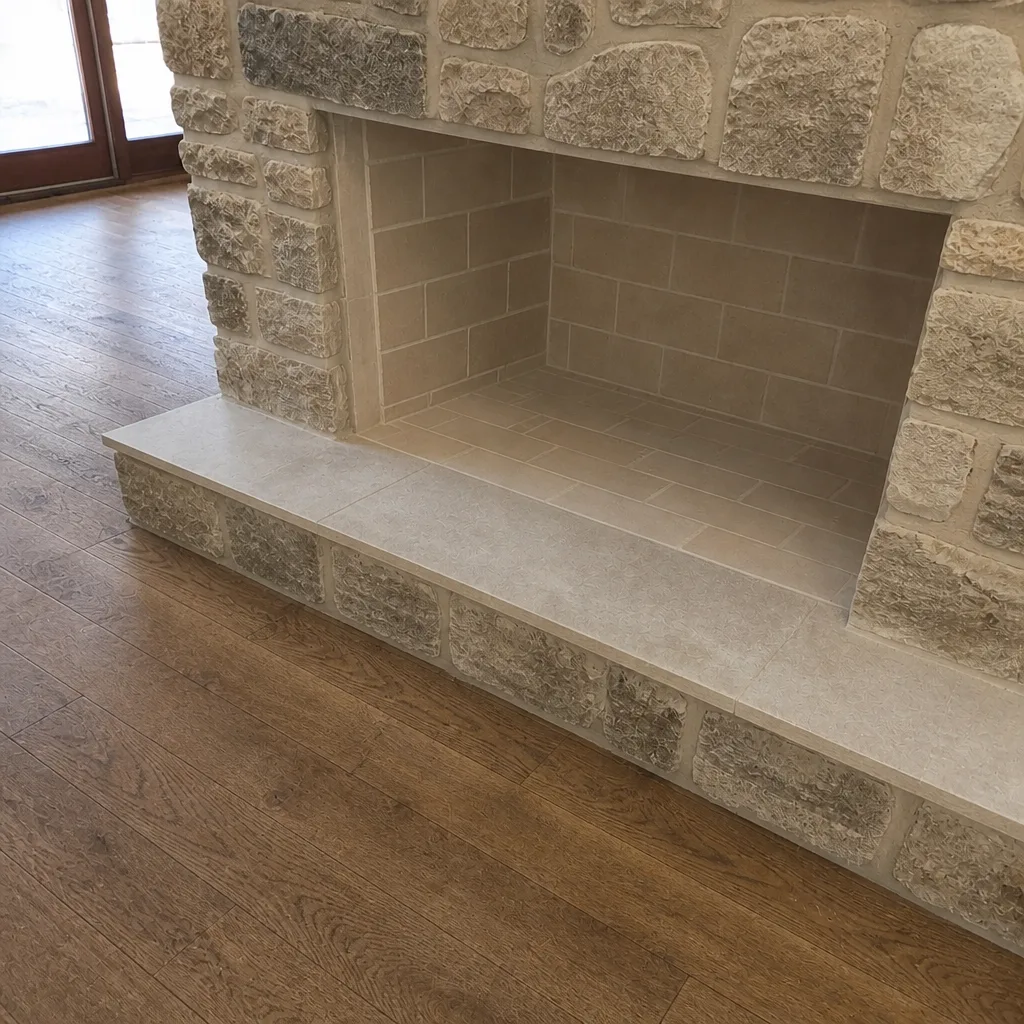
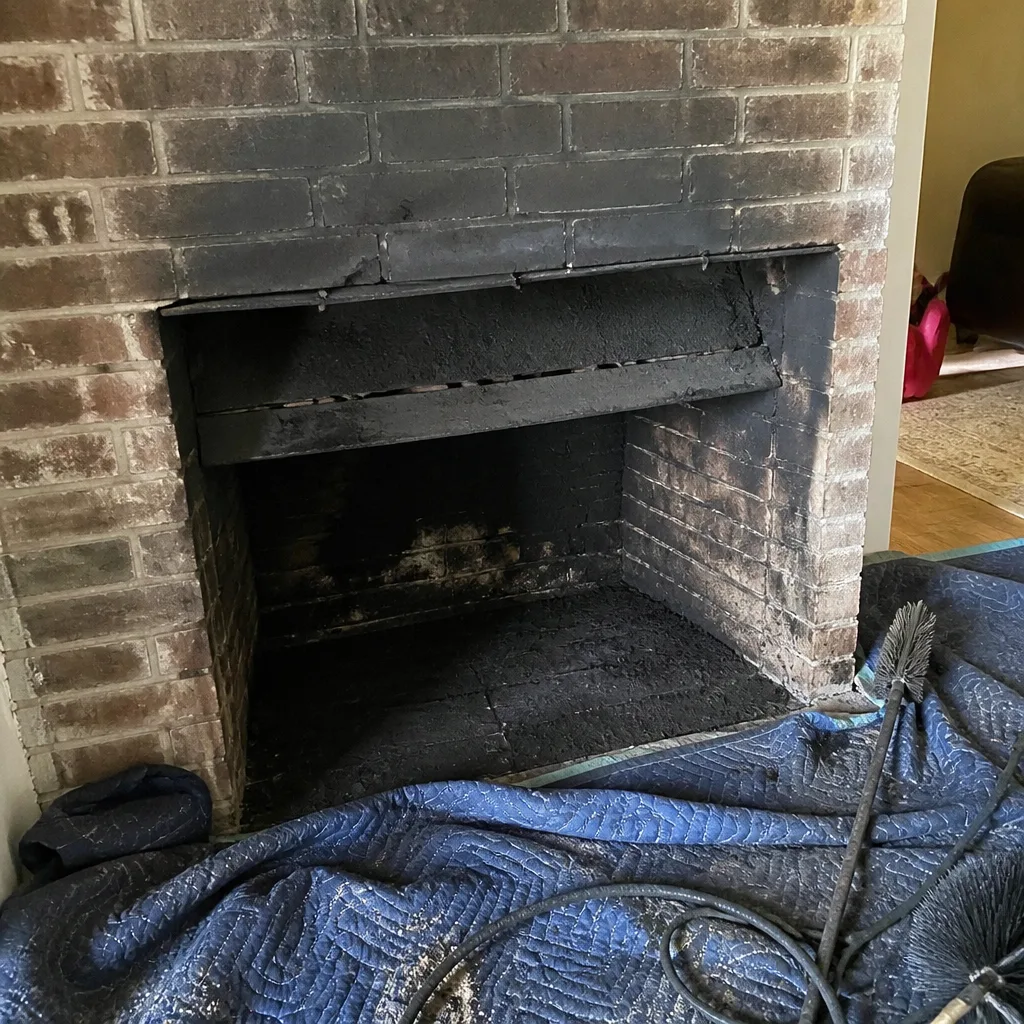
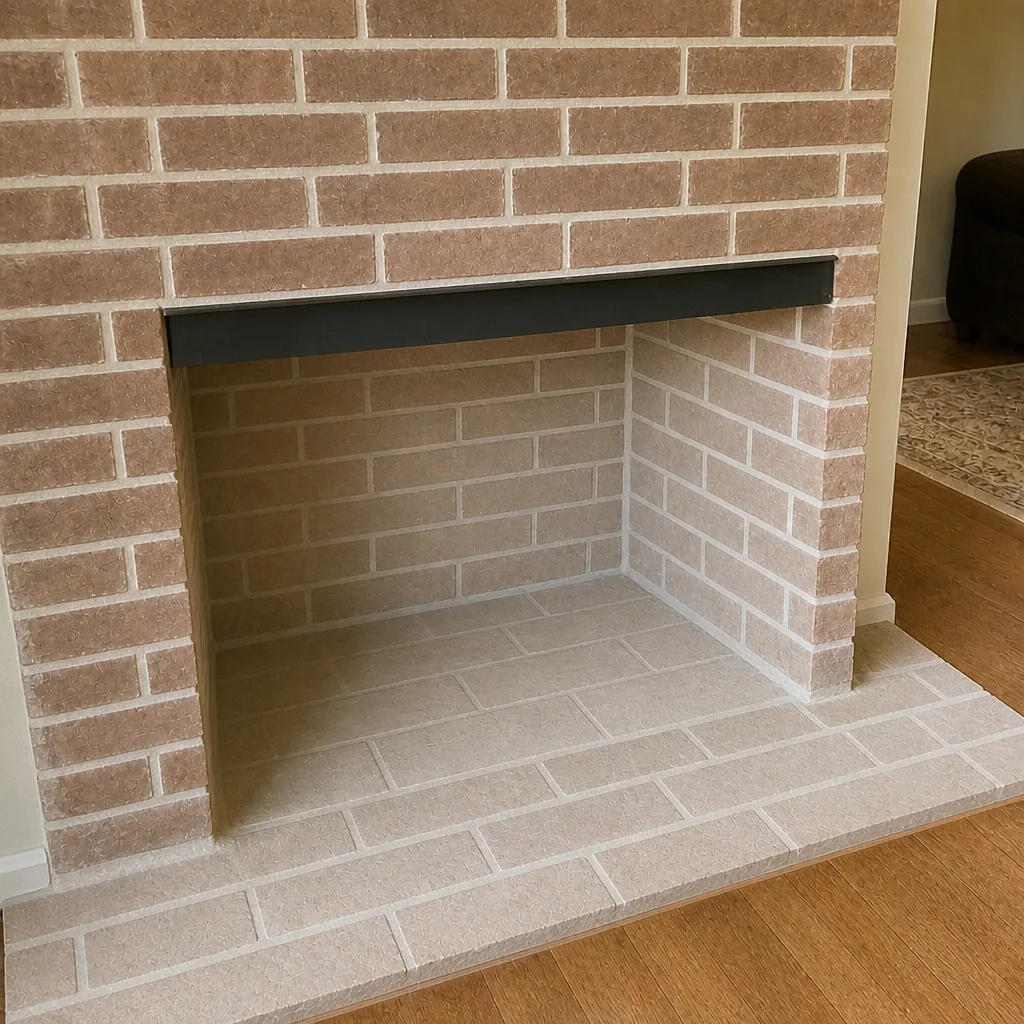
See the difference
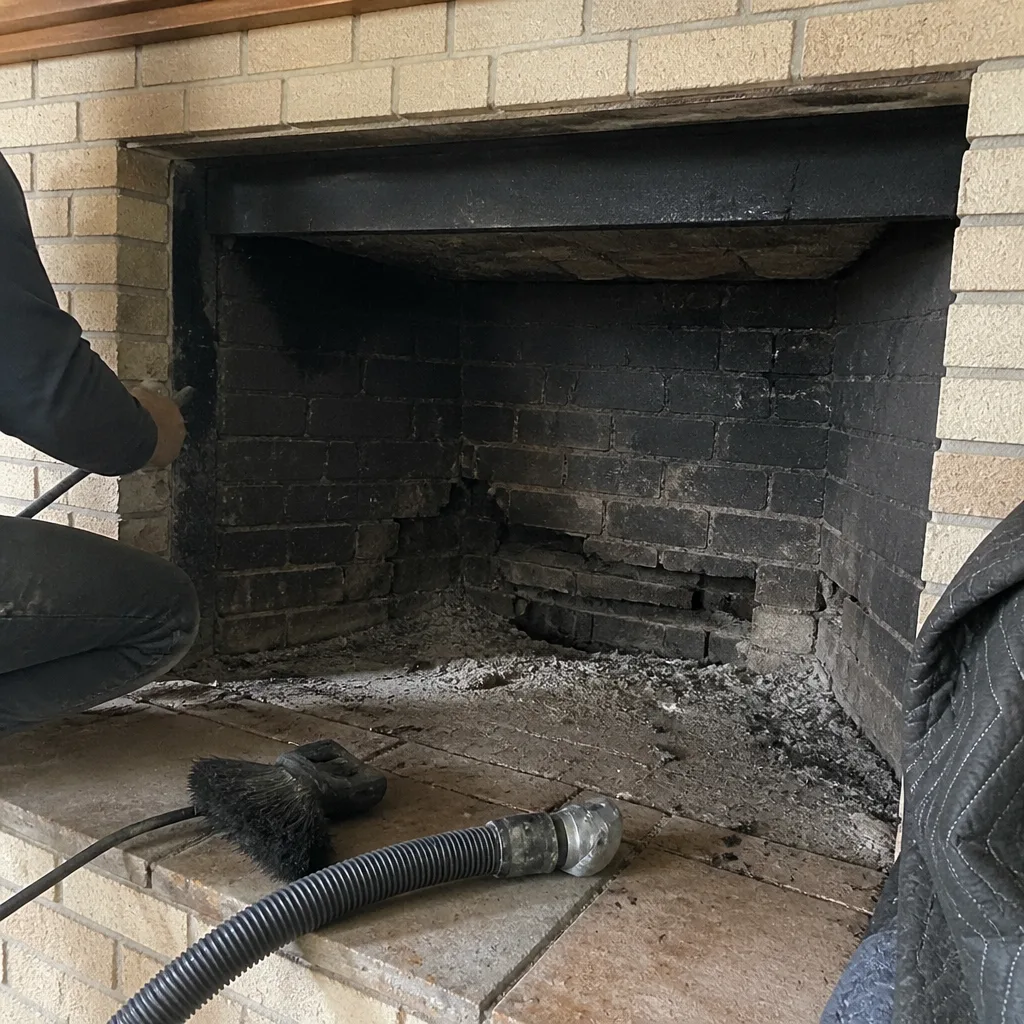 Before
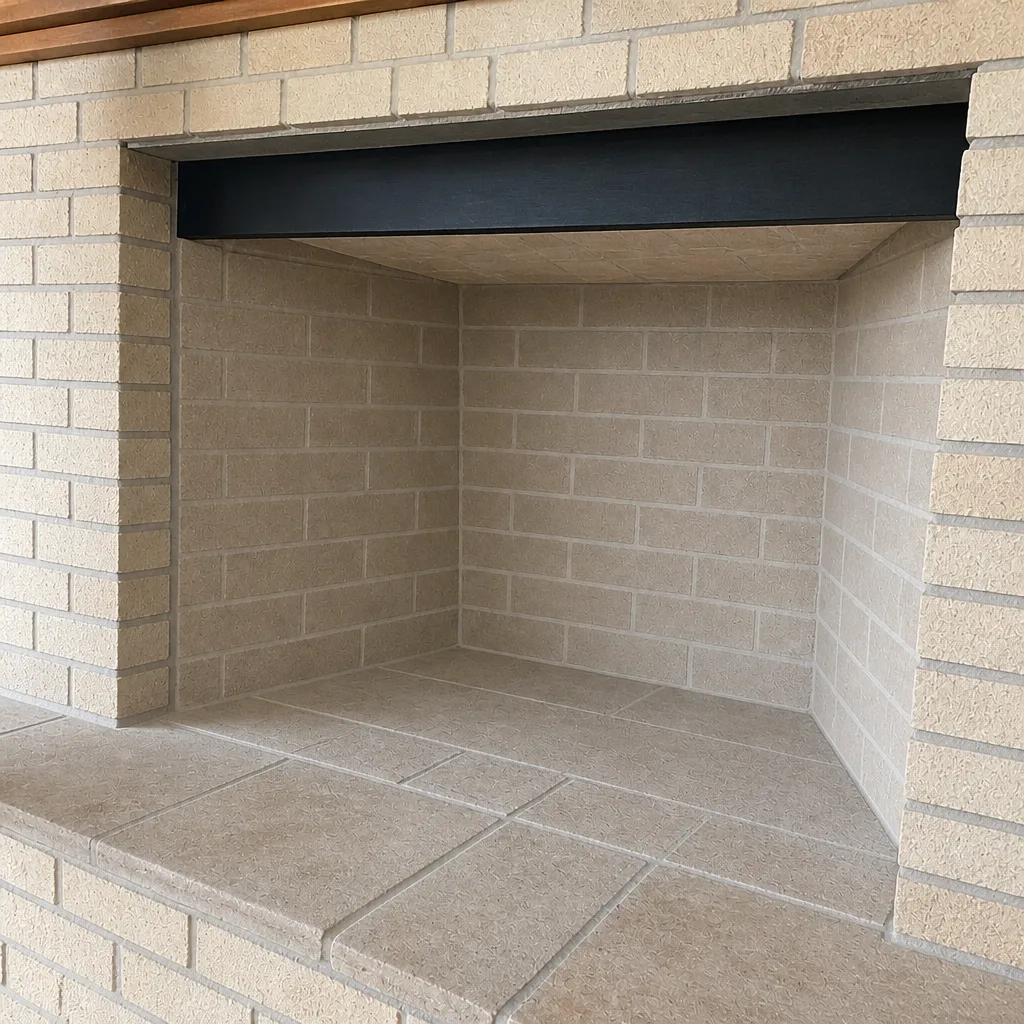 After
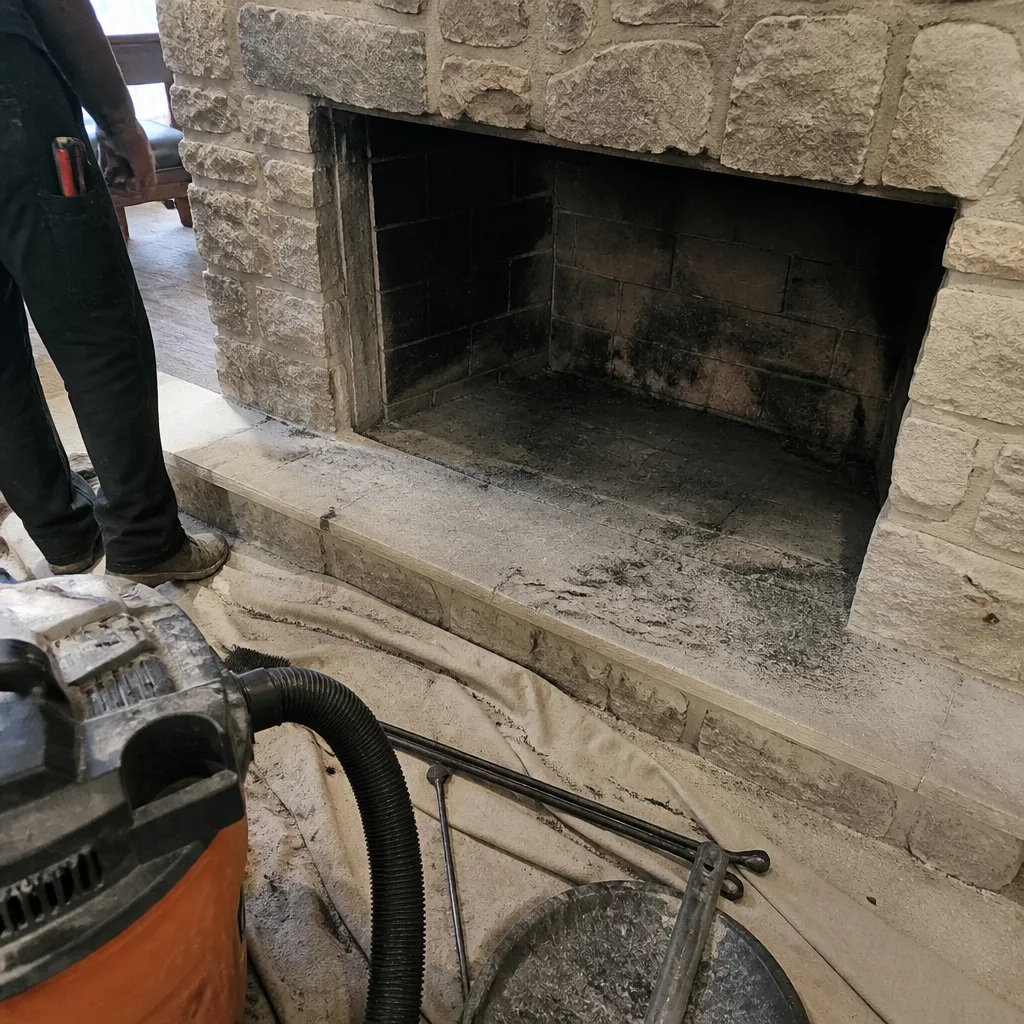 Before
 After
 Before
 After
When to Call a Professional
Chimney work belongs to a trained professional when the question is safety rather than appearance. If you’ve had a chimney fire, however brief, call before using the fireplace again – a fire compromises the liner even when the visible damage is small. If you smell smoke in the room when the fire is going, or notice draft problems, the chimney is telling you something and it needs to be evaluated, not guessed at. If you’ve never had the chimney inspected, the first visit is the one worth doing properly. And if you’re burning wood regularly, an annual sweep-and-inspect is the baseline, in New Braunfels or anywhere else with mild winters and intermittent fireplace use. Beacon Chimney Sweep offers free estimates in New Braunfels – call (888) 401-6898. We answer 24/7. Fast dispatch from 7am to 7pm, Sunday through Friday, and closed Saturday. If your call comes outside dispatch hours, we’ll book you into the next opening. Nothing gets recommended without camera evidence you can see for yourself, and we’ll tell you plainly when work can wait.
Frequently Asked Questions
Look up the technician’s name in the CSIA’s public directory yourself. The certification belongs to an individual technician, not to a company, so a website badge isn’t proof. Ask which specific technician will be on your roof, get their name, and cross-check it. If the company claims “CSIA-trained” rather than “CSIA-certified,” that’s a different and lesser credential.
Cleaning alone is not enough. The sweep is partly an inspection opportunity – the flue liner, damper, and smoke chamber are all within reach during the sweep, and that’s when problems get noticed. A sweep without a camera inspection leaves you with a clean flue and no knowledge of its condition. Ask specifically whether the inspection is included in the quote before you book.
A written estimate should itemize the sweep (with the flue, firebox, and smoke chamber named), the camera inspection, the photo report, and draft testing. Repairs should be listed separately as options with a note on whether each can safely wait. Vague phrasing like “plus additional work as needed” usually means the inspection or smoke chamber isn’t included. The written estimate sets the final price, so ask for it before the visit.
The low quote usually reflects a scope of work that excludes the inspection, the smoke chamber, or the draft test. It’s not a savings – it’s a smaller job. Compare quotes line by line instead of by total, and be suspicious of a quote that can’t tell you what areas of the chimney are covered. A cheap brush-out and a real inspection are two different products.
A full-scope company is the safer default. When the diagnosis and the repair happen at the same company, the person recommending the fix is the same one who saw the problem, and you avoid the coordination and incentives problems of a referral. If a contractor only cleans, that’s not automatically disqualifying – but plan how you’ll handle a repair recommendation before you book.
Wood-burning fireplaces should be swept and inspected annually as a baseline, regardless of how mild the winter was. Mild winters can actually make the annual habit more important, because the chimney gets used intermittently and quietly. If you’ve had a chimney fire or notice smoke or draft problems, get it evaluated before the next fire rather than waiting for the annual visit. Call (888) 401-6898 for an exact quote – estimates are free.
The Bottom Line
Hiring a chimney cleaning contractor in New Braunfels comes down to a few questions asked in the right order. Verify CSIA certification against the public directory rather than a website badge. Confirm the company offers inspection and repair alongside the sweep, so the diagnosis and the fix aren’t split across two contractors. Demand a written estimate that itemizes the sweep, the camera inspection, and the smoke chamber, and treat vague language as a scope warning. Read the low quote as a smaller job, not a better deal. Then, before you commit, ask what the contractor would tell you if nothing needed doing – the willingness to say “you’re fine this year” is a strong sign you’ve found a professional. Our team at Beacon Chimney Sweep is happy to answer those questions directly; call (888) 401-6898 for a free estimate and a straight answer.
Written by the team at Beacon Chimney Sweep.