
Last updated November 15, 2026
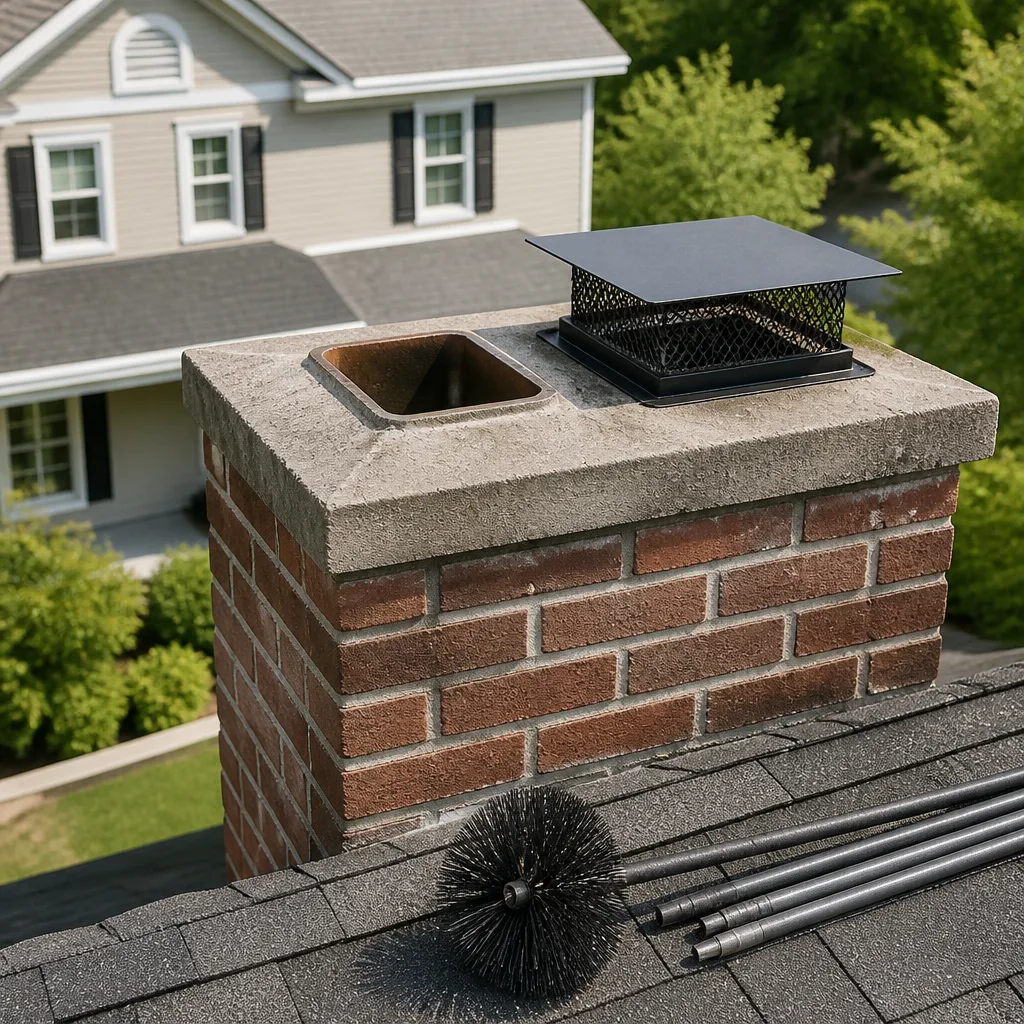 Sweep & inspection
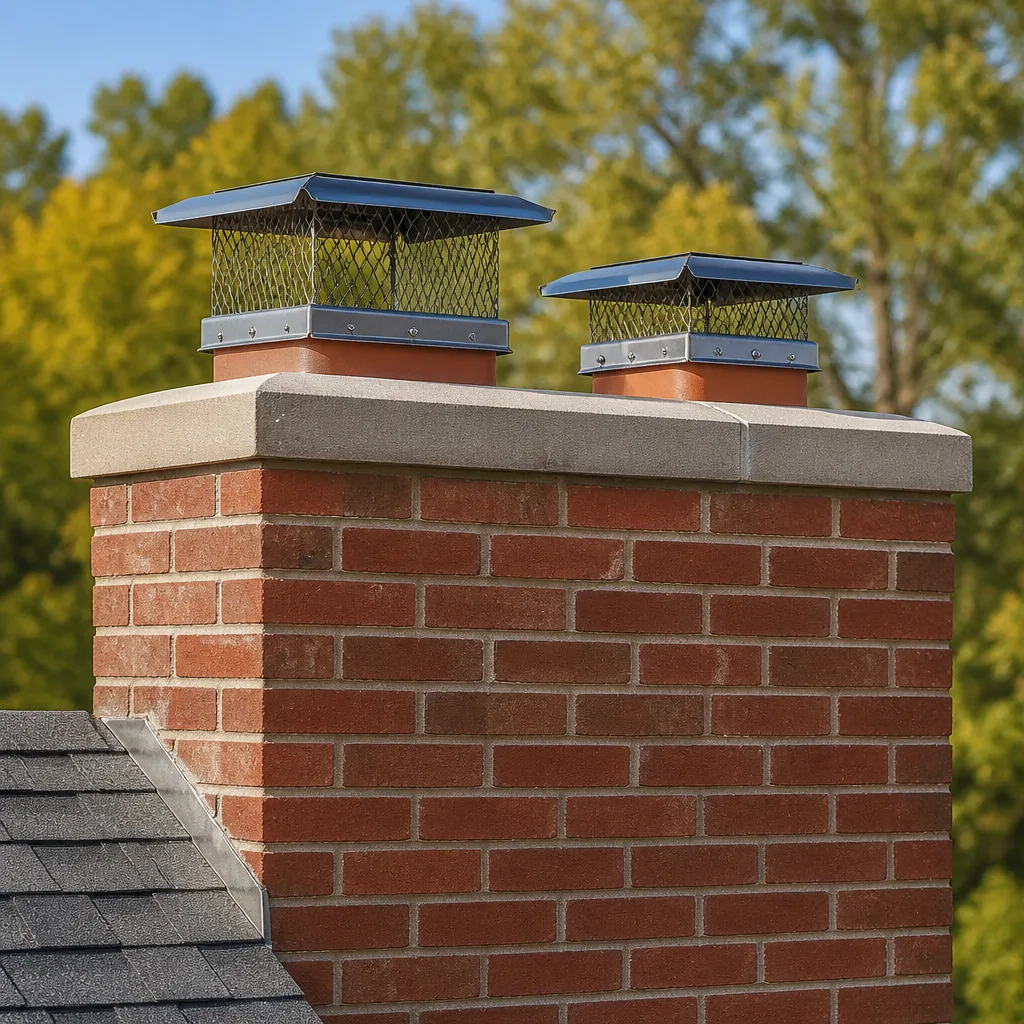 Caps & crowns
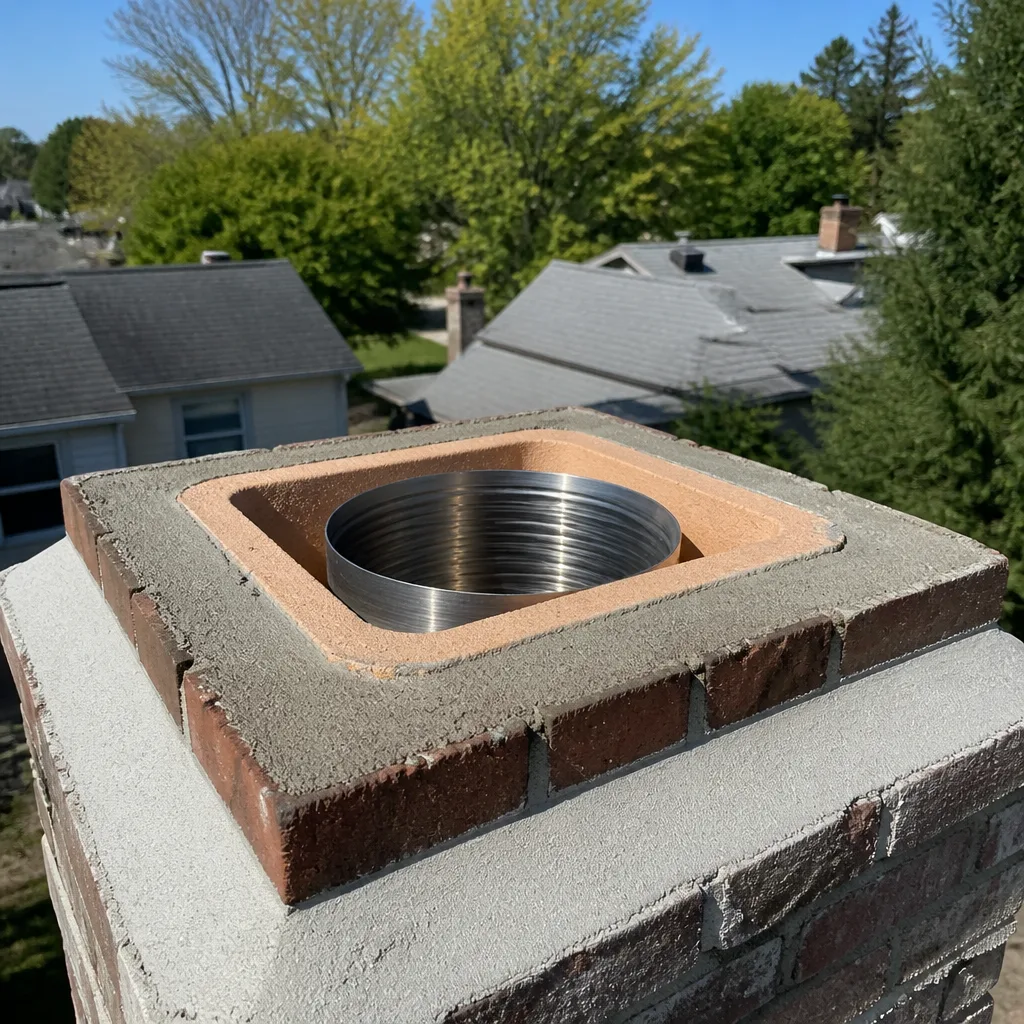 Flue relining
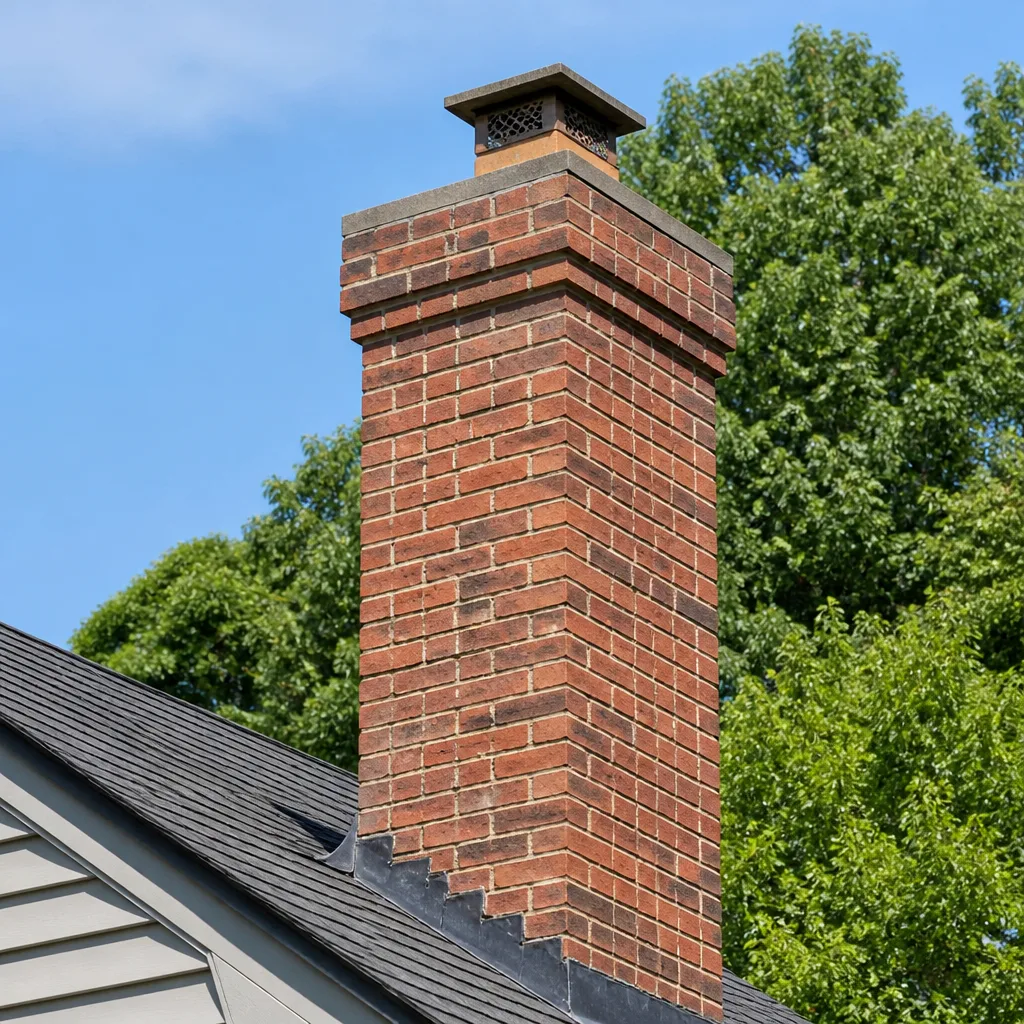 Masonry repair
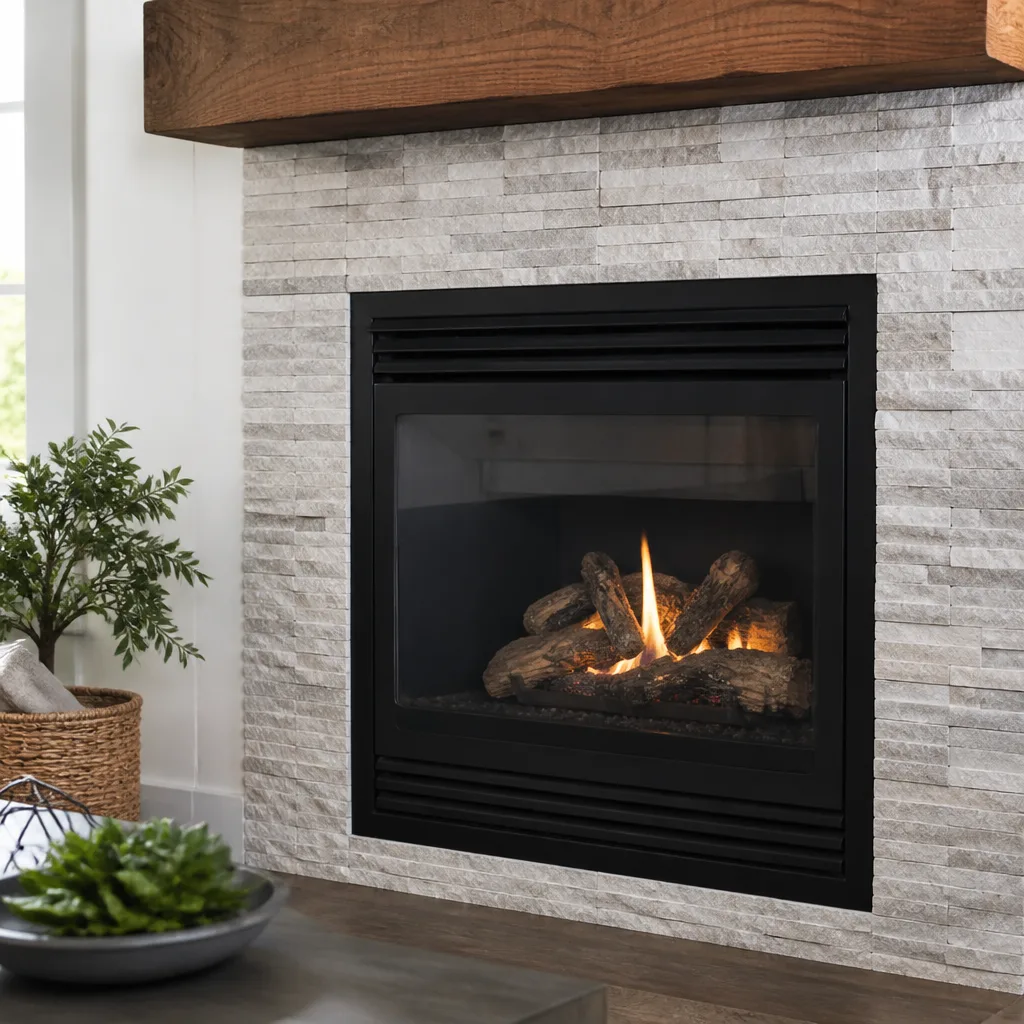 Gas fireplace service
Level 1 sweep and inspection to the NFPA 211 annual standard - flue, crown, cap, and flashing checked and photographed
Chimney sweep logs do not sweep chimneys. They loosen some creosote - which then falls where a brush and vacuum still have to collect it.
Chimney Cleaning Cost Breakdown: The New Braunfels Homeowner’s Reference for 2026
A $79 chimney sweep coupon and a $299 professional cleaning can both be fair prices. They’re just for completely different things, and most homeowners don’t realize it until after they’ve booked. One is a quick brush pass with no evaluation. The other is a documented cleaning with an inspection attached, photos you can see, and a written record for your home file. Same label on the truck, entirely different scope of work underneath.
This guide breaks down what each line item in a chimney cleaning quote actually buys in the New Braunfels market. You’ll learn how to read a quote, what add-ons cost and when they’re genuinely needed, and how to tell a real scope from a loss-leader that turns into upsell pressure once a technician is on your roof.
Quick Answer
In New Braunfels, a standard Level 1 chimney cleaning typically runs $185 to $340 for a wood-burning fireplace, and a basic inspection is usually bundled into that price. Add-ons like cap replacement, crown sealing, or HeatShield resurfacing of a deteriorated flue commonly add $250 to $3,200 depending on scope. The written estimate you receive after a real inspection sets the final price, and any quote given over the phone without a look at the flue is a guess.
Styles & brands we work with
- Sweep & inspection
- Caps & crowns
- Flue relining
- Masonry repair
- Gas fireplace service
Table of Contents
- Why Do Chimney Cleaning Quotes Vary So Much in New Braunfels?
- What Does a Standard Level 1 Cleaning Actually Include?
- What Drives the Price: Firebox Size, Flue Height, and Creosote Stage
- Add-On Costs: Liner Repair, Cap Replacement, Crown Sealing, and Parging
- Professional-Grade Materials vs. Hardware Store Alternatives
- How to Read a Quote: Real Scope vs. Loss-Leader
- What Older New Braunfels Homes Reveal That New Builds Don’t
- Questions to Ask Before You Book Anyone
Why Do Chimney Cleaning Quotes Vary So Much in New Braunfels?
Quotes vary because the word “cleaning” is doing too much work. When one company quotes $99 and another quotes $285, they’re usually not competing on price for the same job. They’re describing two different jobs using the same noun.
Here’s what actually changes from one quote to the next:
- Whether an inspection is included. A true Level 1 service pairs a cleaning with a visual inspection of the accessible portions of the chimney, firebox, damper, and cap. Some low-cost quotes skip the inspection entirely or charge it separately as an “evaluation.”
- Whether photos are taken. A documented cleaning means you see what the technician saw. Without photos, you can’t verify a recommendation, and you can’t document your home for insurance or resale.
- How creosote is removed. Light, powdery creosote brushes out easily. Glazed, tar-like Stage 3 creosote requires rotary tools and considerably more time, and a flat rate doesn’t account for that difference.
- Flue height and roof pitch. A single-story ranch with a low-pitch roof is a different job than a steep two-story with a tall flue run. Access and setup time change the labor.
- Whether repairs are included in the quote or reserved as a separate conversation. Companies that only sweep will quote you a sweep. Companies that also repair will quote you a sweep and can address what they find without a second contractor.
In New Braunfels specifically, the housing stock adds a wrinkle. The area includes a mix of older homes near the Comal River and Gruene that have seen many seasons of burn, alongside newer construction off Loop 337 and around Veramendi with modern factory-built fireplaces. Those two categories call for different cleaning approaches, and a company that quotes them the same is telling you something about how closely they’re paying attention.
When you compare quotes, compare line items. A $99 quote with a long list of “recommended” add-ons after the fact is a different animal than a $285 quote that includes cleaning, inspection, and a photo report with nothing further suggested unless the camera found a real problem.
What Does a Standard Level 1 Cleaning Actually Include?
A standard Level 1 chimney cleaning in New Braunfels includes brushing the flue, removing creosote and soot from the firebox and smoke shelf, checking the damper and cap, and a visual inspection of the accessible chimney components. It takes roughly 45 minutes to an hour and a half for a single flue, longer if creosote has built up heavily or the flue is tall.
What it should include, item by item:
- Drop cloths and floor protection laid before any equipment comes in
- Brushing of the full flue run with the correct brush for the flue type (round for clay tile, poly for stainless liner)
- Vacuuming with a HEPA unit to keep soot out of your living room
- Removal of soot and ash from the firebox and smoke shelf
- Damper check to confirm it opens, closes, and seals
- Visual inspection of the firebox, flue, cap, and crown
- A photo report and a written summary of what was found
What a Level 1 cleaning typically excludes, and here’s where New Braunfels homeowners get surprised:
- Video scanning of the flue interior. A camera inspection is a Level 2 service. It’s the only way to see cracks, gaps in the liner, or offset tiles that a visual check from below can’t reach.
- Liner evaluation and repair. If the flue liner is cracked or deteriorated, a Level 1 leaves it that way. The cleaning happens, the problem stays.
- Crown and cap work. A cracked crown or missing cap isn’t a cleaning issue, it’s a repair, and it’s quoted separately.
- Smoke chamber work. Parging the smoke chamber to smooth airflow and reduce creosote buildup is a repair, not a cleaning.
- Firebox repointing. Mortar joints that have deteriorated get flagged, not fixed, during a standard sweep.
That gap is where quotes diverge. A sweep that includes an inspection and a photo report tells you exactly what you have. A sweep that doesn’t leaves you with a clean flue and a house full of unknown risk. When you book a chimney sweep, ask up front whether the inspection and photos are part of the price.
What Drives the Price: Firebox Size, Flue Height, and Creosote Stage
Three variables move the price more than anything else: how big the firebox is, how tall the flue run is, and how bad the creosote has gotten. Any quote given without eyes on those three is a guess, and guesses tend to get revised once the technician is on the roof.
Firebox Size
A large masonry firebox holds more soot and requires more time to clean properly. Oversized fireboxes in older New Braunfels homes, especially those built before modern insert standards, also tend to have wide smoke shelves that collect a substantial amount of creosote. A small factory-built insert is a quicker job. The difference is real labor, not markup.
Flue Height and Access
A single-story ranch with a short flue is easy access. A two-story with a tall flue on a steep roof is a slower, more careful job with more setup. Roof pitch, chimney position, and whether the technician can safely reach the crown all factor in. Companies that quote flat-rate over the phone are either absorbing that difference into an average or planning to add it back at the door.
Creosote Stage
Creosote falls into three broad stages, and each one changes the cleaning method:
- Stage 1: Soot and light flaky creosote. Standard brushing handles it. This is the easiest and fastest cleaning.
- Stage 2: Crumbly, crunchy deposits. Requires more aggressive brushing and often a second pass. Time goes up.
- Stage 3: Glazed, tar-like creosote. This is the fire-hazard stage. It requires rotary cleaning tools, takes significantly longer, and if it’s severe, the flue may need resurfacing before the chimney is safe to use again.
Stage 3 creosote is the single biggest driver of a quote that suddenly jumps from the coupon price. It’s also the reason a professional cleaning is worth the extra money. Glazed creosote burns hot and it burns fast, and it’s the leading cause of chimney fires. A technician who inspects with a camera and shows you the photos can tell you exactly what stage you’re at and what it will take to clear it.
This is where the chimney repair conversation begins, because Stage 3 creosote often comes with a compromised flue liner underneath it. You can’t separate the cleaning from the repair once the creosote is severe. The material difference between a professional-grade liner and a bargain liner matters most at this point, which is why we source from DuraFlex and HeatShield rather than taking whatever the local hardware store has on the shelf.
Add-On Costs: Liner Repair, Cap Replacement, Crown Sealing, and Parging
Add-ons are where most chimney cleaning costs actually live, and they’re also where honest quotes and dishonest quotes part ways. Here’s what each one typically runs in the New Braunfels market and what it actually buys.
Liner Repair and Resurfacing
A cracked or deteriorated flue liner is the most common and most hazardous chimney failure we see. Costs vary widely:
- HeatShield resurfacing for a flue that’s cracked but structurally sound: typically $1,200 to $2,400. This restores the liner without full replacement.
- Full stainless liner installation using DuraFlex or Olympia Chimney flexible liner systems: typically $2,400 to $5,500 depending on flue height, diameter, and whether the existing liner needs to be removed.
- Partial liner repair in cases where only a section is damaged: typically $600 to $1,400.
The decision between resurfacing and full relining is a judgment call that requires a camera inspection. A HeatShield resurfacing makes sense when the liner is still structurally intact but cracked. A full reline makes sense when the liner has failed outright. Anyone who quotes a full reline without showing you the camera footage is asking you to take it on faith.
Cap Replacement
A missing or damaged cap lets water, birds, and debris into the flue. Replacement typically runs $250 to $650 depending on the cap style and whether a custom fit is needed. This is one of the cheapest repairs with the biggest protective payoff, and it’s worth doing as soon as a cap is flagged.
Crown Sealing
The crown is the concrete top of the chimney. When it cracks, water gets in and the damage spreads down. Crown sealing typically runs $350 to $850. When the crown has failed entirely and needs rebuilding, that’s a different scope entirely and the cost goes up considerably.
Smoke Chamber Parging
Parging smooths the rough interior of the smoke chamber, which improves draft and reduces creosote accumulation. This is typically $600 to $1,500 and it’s often paired with liner work. It’s not cosmetic. A rough smoke chamber creates turbulence that pushes smoke back into the room and leaves more creosote behind on every burn.
Firebox Repointing
Deteriorated mortar joints in the firebox are typically $400 to $1,000 to repoint, depending on the extent of the damage and whether firebrick replacement is needed.
For any of these, the estimate follows the inspection and the price is set per job by the written estimate. Nothing is recommended without camera evidence you can see for yourself.
Professional-Grade Materials vs. Hardware Store Alternatives
The material difference between professional-grade chimney products and hardware store alternatives shows up years down the line, and it’s the quiet reason some chimney repairs last and others don’t. When we quote a liner installation or resurfacing, the product we specify is part of the scope.
Here’s what that looks like in practice:
- DuraFlex flexible liner systems are engineered for the temperature cycling and corrosive byproducts that wood and gas appliances produce. Bargain liners often use thinner stainless and less robust seam construction, which fails sooner under the same conditions.
- HeatShield resurfacing compound is formulated specifically for flue interiors. Generic refractory cement applied by a generalist doesn’t bond the same way and doesn’t hold up to the same conditions.
- Olympia Chimney components and Gelco products are designed for the specific loads chimney work puts on them, not adapted from a neighboring trade.
Hardware store products are priced to hit a retail number. Professional-grade products are priced to do the job in the environment they’re installed in. The difference shows up in how long the repair lasts, and that’s the real cost comparison, not the line item on the invoice.
We carry DuraFlex, HeatShield, and Copperfield because the repair should outlast the invoice. If a contractor can’t tell you what brand of liner they’re installing and why, that’s a signal. Material knowledge is one of the few ways to tell a chimney specialist from a generalist handyman who sweeps chimneys on the side.
How to Read a Quote: Real Scope vs. Loss-Leader
The difference between a real quote and a loss-leader comes down to whether the scope is defined before the work starts or after. Follow these steps to read any chimney cleaning quote correctly.
- Check whether the inspection is included or billed separately. A low coupon price with a separate “evaluation fee” tacked on at the door is a loss-leader. An all-in quote that includes cleaning, inspection, and a photo report is real scope.
- Look for the phrase “additional recommended services.” If the quote is priced to leave room for a long list of recommendations once the technician is on site, you’re looking at a loss-leader. Real quotes name what they cover.
- Ask what happens if the technician finds a problem. A specialist tells you what they found, what it means, and what it will take to fix it, then lets you decide. A high-pressure quote happens on the spot before you’ve had a chance to think.
- Confirm the quote specifies the material. Liner work should name the product. Resurfacing should name the compound. If the quote says “liner repair” with no material specified, ask.
- Ask whether the photo report is part of the price. A documented inspection with photos you keep is worth real money to a homeowner because it protects you at resale and documents the work for insurance.
- Confirm whether the company can do the repair or only recommend it. Companies that sweep only will recommend a repair and send you to a separate contractor. That means a second trip, a second quote, and a second company’s take on what’s needed.
- Read the written estimate carefully before booking. The final price is the one on the written estimate, not the one on the coupon or in the phone quote.
The pattern is consistent. A quote that names the scope, includes the inspection, and specifies the material is a real quote. A quote that leaves the scope open and prices below what the work can possibly cost is a loss-leader. Both can be legitimate businesses. You just need to know which one you’re booking before you hand over the payment.
If you’re comparing quotes and want a second opinion on what a scope should include, Beacon Chimney Sweep is happy to walk you through one. Our technicians have up to 12 years of experience, and we handle sweeping, inspection, and repair under one roof so the diagnosis and the fix come from the same team.
What Older New Braunfels Homes Reveal That New Builds Don’t
New Braunfels has a housing mix that makes a one-size-fits-all quote unreliable. The older homes near the Comal River, in Gruene, and in established neighborhoods close to downtown tend to have masonry chimneys that have seen decades of burn seasons. Newer builds around Veramendi and along the Loop 337 corridor more often feature factory-built fireplaces with metal flues and shorter service histories.
Those two categories call for different services:
- Older masonry chimneys are more likely to have offset flue tiles, deteriorated mortar joints, an original clay liner that’s served past its useful life, and a crown that has cracked and been patched before. A Level 1 cleaning on a chimney like this is often just the starting point.
- Newer factory-built fireplaces are usually easier to clean but have their own failure points: the metal flue and cap assembly, the damper mechanism, and the firebox refractory panels. These systems often have specific manufacturer requirements for liner and cap replacement, and a generic replacement doesn’t always meet them.
- Gas fireplaces in newer construction need their own service attention. Gas logs still need periodic inspection, and the venting system needs to be verified. A chimney sweep who only handles wood is only handling half the job.
The climate matters too, though not the way it does in colder regions. New Braunfels winters are mild, which means many homeowners burn intermittently rather than steadily through the season. Intermittent burning produces more creosote per cord than a steady hot fire because the flue doesn’t stay warm, and cool flue surfaces condense more of the byproducts. That’s one reason a chimney that gets occasional use can still develop significant creosote over a few seasons.
If you’re in an older home and haven’t had the chimney inspected since you moved in, a Level 2 inspection with a camera is worth having. It’s the only way to know whether the liner is still intact. If you’re in a newer home and the fireplace has been in use for a few seasons, the same recommendation applies, just for different reasons.
Questions to Ask Before You Book Anyone
The quality of your chimney work depends as much on who does it as on the price. These questions separate a specialist from a generalist before anyone climbs on your roof.
- Do you do sweeping, inspection, and repair, or just one of them? A specialist who handles all three can diagnose and fix the same visit. A company that only sweeps will hand you a recommendation and send you elsewhere.
- Is the inspection and photo report included in the cleaning price? If yes, you get documentation. If no, ask what the documentation costs.
- What brand of liner and resurfacing compound do you install? A specific answer is a good sign. A vague one is not.
- Will you show me the camera footage before recommending a repair? The answer should be yes, plainly. Nothing is recommended without evidence you can see.
- What stage of creosote do you expect on my chimney, and how does that affect the price? A technician who can explain the stages knows what they’re looking at.
- What are your hours and how do I reach you? We answer 24/7, and fast dispatch runs from 7am to 7pm, Sunday through Friday.
In our experience, the answers to these six questions tell you more about a chimney company than any review or brochure. A specialist answers all of them without hesitation. A generalist stumbles on at least two.
Common Mistakes to Avoid
- Booking the coupon without reading the scope. A $79 sweep and a $285 sweep buy different things. If the coupon doesn’t specify whether inspection and photos are included, ask before booking, not after.
- Accepting a repair recommendation without camera evidence. If the technician recommends a liner, ask to see the footage. You can’t verify a recommendation you can’t see, and any honest specialist will show you without being asked twice.
- Letting a generalist handyman sweep the chimney. Sweeping looks simple. Knowing what a Stage 3 creosote deposit means, or whether a cracked crown needs sealing or rebuilding, takes a specialist. In older New Braunfels homes especially, the wrong call on a crown or liner gets expensive.
- Skipping the annual inspection because the fireplace “looks fine.” A clean-looking firebox tells you nothing about the liner. Cracks and gaps develop out of sight, and a camera inspection is the only way to know what’s behind the tile.
- Pricing liner work by the cheapest quote. The material is the whole job. A bargain liner from a hardware store shelf isn’t the same product as DuraFlex or Olympia Chimney, and the difference shows up in five years, not five days.
- Waiting until the burning season to book. Booking early in the year means more scheduling flexibility and less pressure to take whoever’s available. The fall rush is the worst time to compare quotes carefully.
- Never asking what the written estimate covers. The written estimate sets the final price. If it’s vague about what’s included, ask for it in writing before you approve the work.
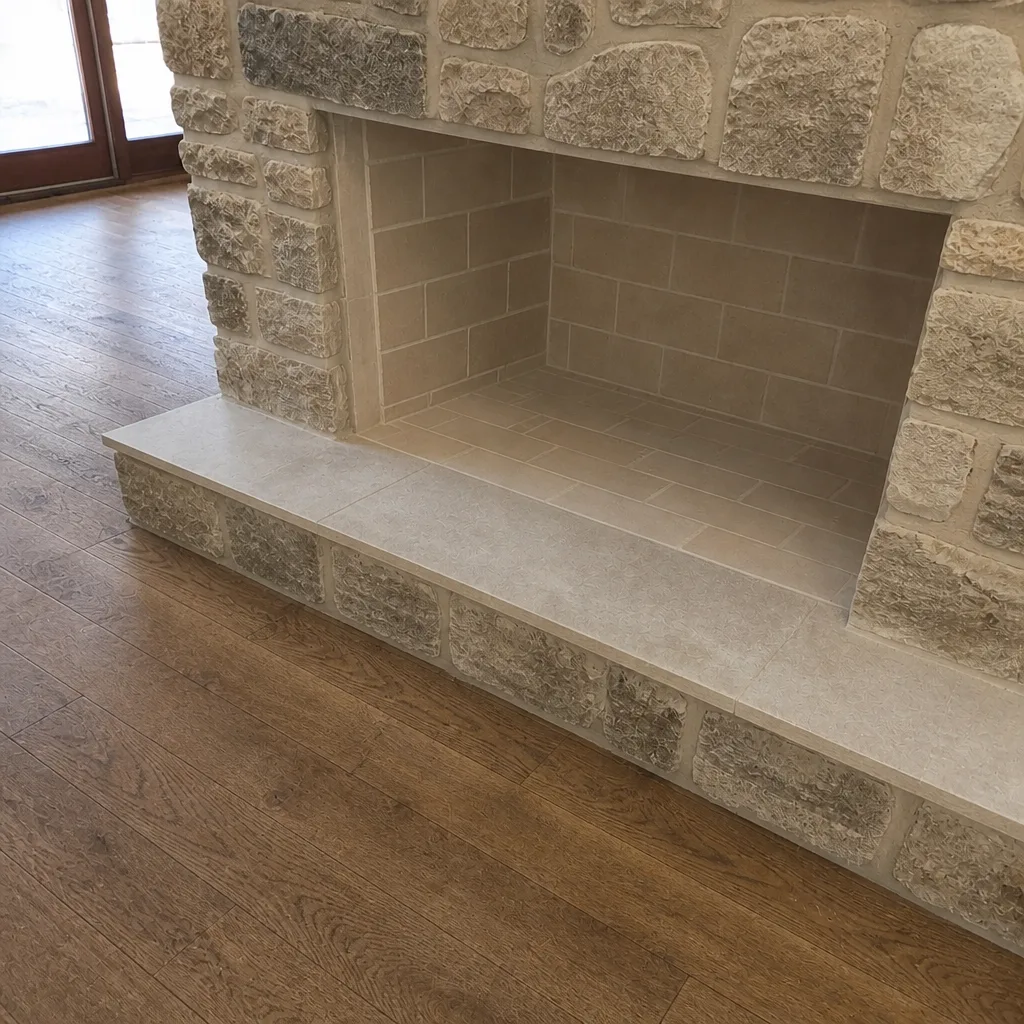
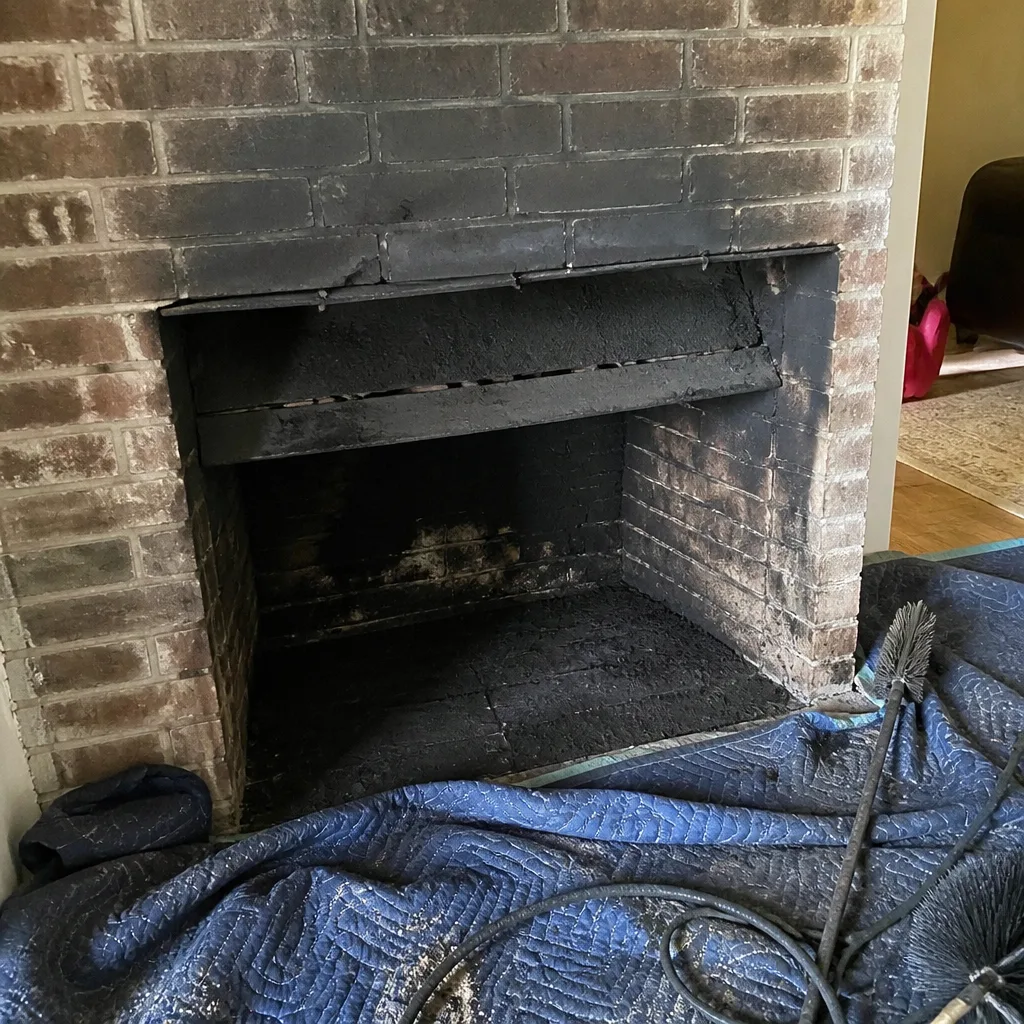
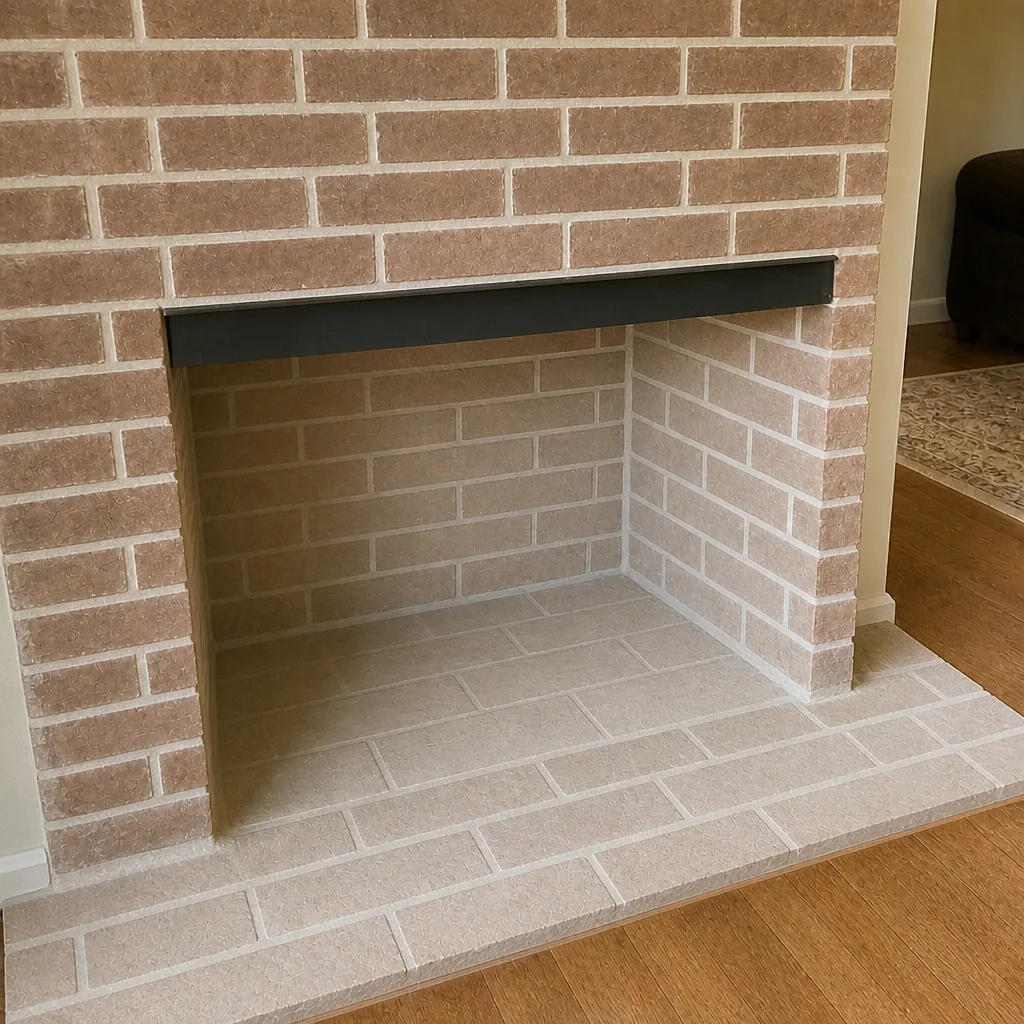
See the difference
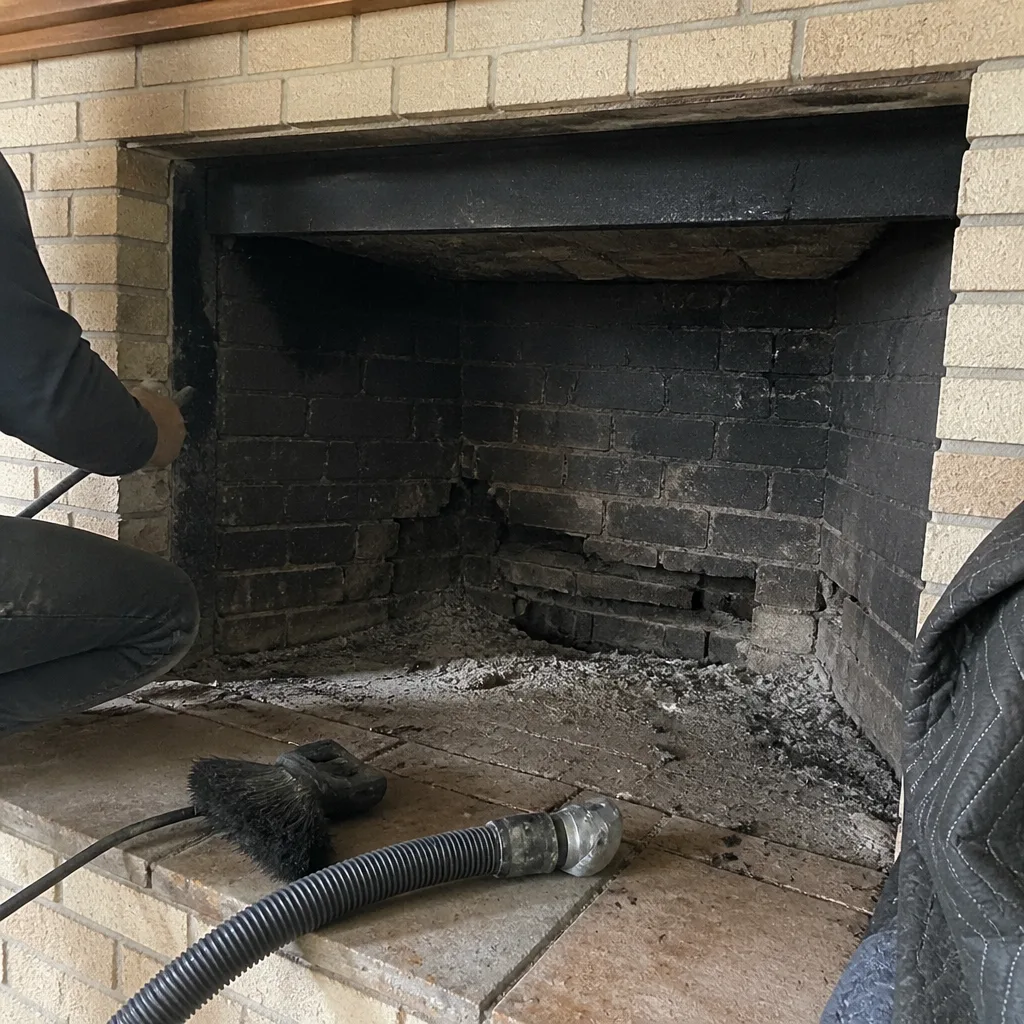 Before
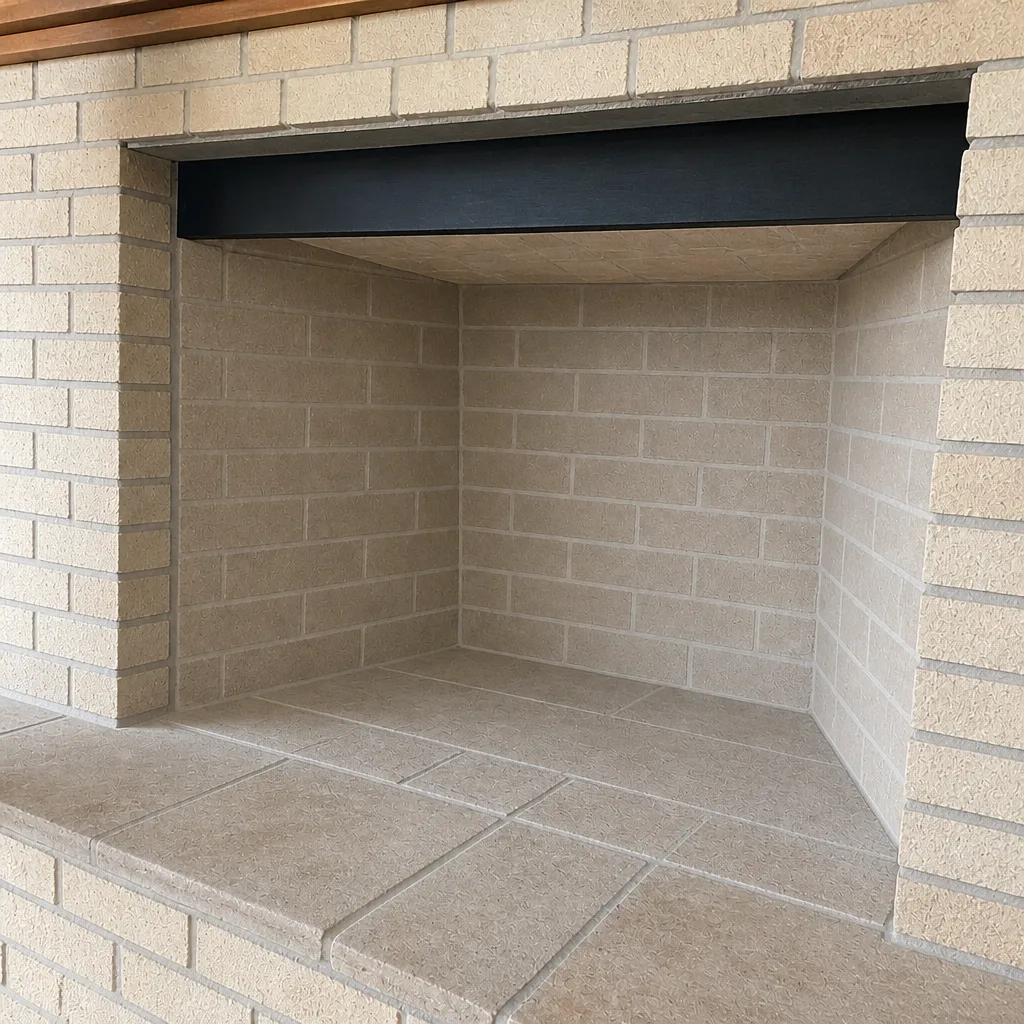 After
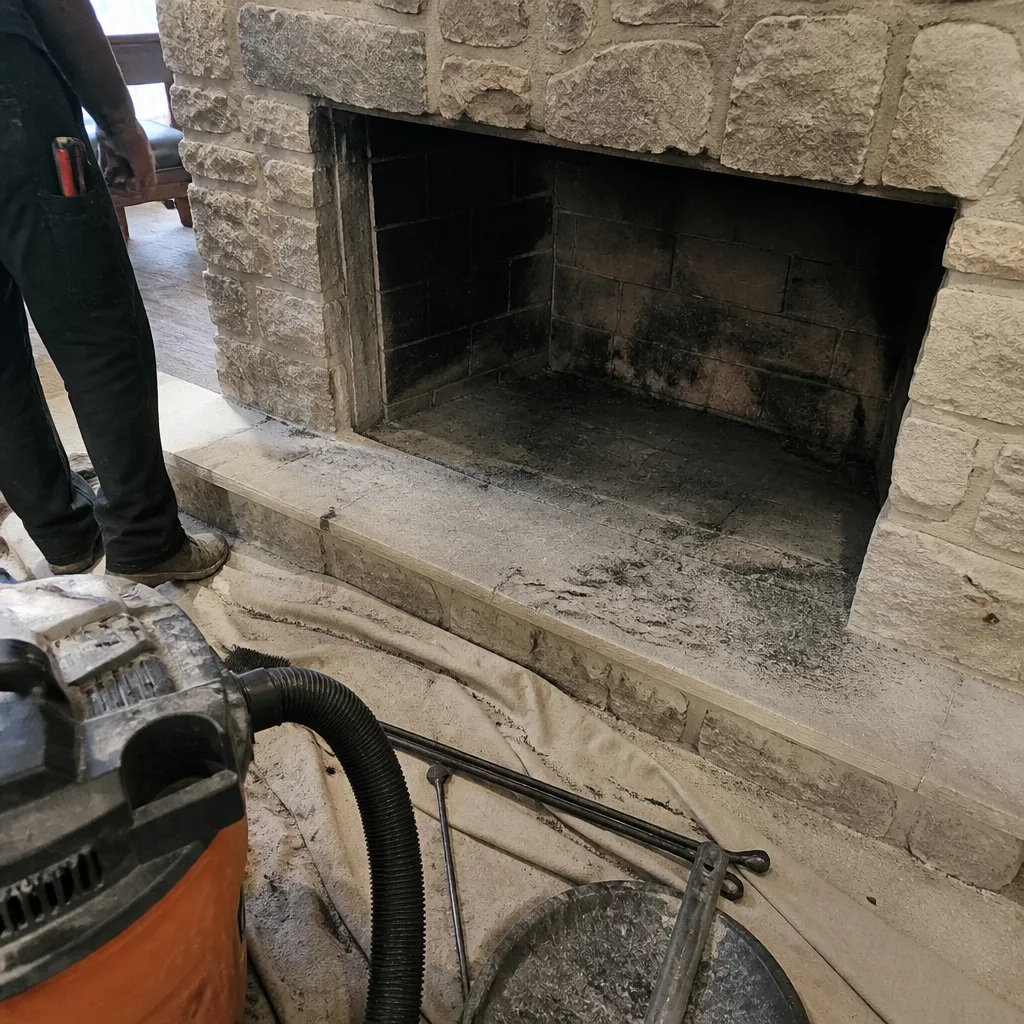 Before
 After
 Before
 After
When to Call a Professional
Some chimney situations can wait. Others can’t. Call a professional if you’ve burned a full season without a sweep, if you notice creosote buildup on the firebox walls or damper, if smoke backs into the room when you light a fire, if you smell a strong creosote odor on warm days, if the cap is missing or damaged, or if the crown has visible cracks. These are the conditions where a waiting approach costs more later, or creates real risk. A blocked or deteriorated flue is a fire hazard and a carbon monoxide hazard, and neither announces itself before it happens.
If you’re in New Braunfels and aren’t sure whether your chimney needs service, the cheapest path is an inspection. Beacon Chimney Sweep offers free estimates in New Braunfels – call (888) 401-6898. We answer 24/7, and fast dispatch runs from 7am to 7pm, Sunday through Friday.
Frequently Asked Questions
A standard Level 1 chimney cleaning in New Braunfels typically runs $185 to $340 for a wood-burning fireplace, with inspection and photo report usually bundled in. Add-ons like cap replacement, crown sealing, or liner resurfacing add $250 to $3,200 depending on scope. The written estimate you receive after inspection sets the final price. Call (888) 401-6898 for an exact quote – estimates are free.
A chimney should be swept at least once a year, and more often if you burn heavily or notice creosote buildup. The general rule is that a quarter inch of creosote on the flue walls means it’s time. Homeowners who burn intermittently through mild New Braunfels winters can still build up significant creosote over a few seasons because cool flue surfaces condense more byproducts. If it’s been more than a year, book a sweep. Call (888) 401-6898 to schedule.
You need a new liner when the existing flue liner is cracked, deteriorated, or missing, and only a camera inspection can confirm that. A liner that’s structurally sound but cracked in spots can often be restored with HeatShield resurfacing instead of a full reline, which is cheaper and preserves the original flue. Nothing is recommended without camera evidence you can see. Call (888) 401-6898 and we’ll show you what we find.
Creosote accumulates in the flue with every fire, and at Stage 3 it becomes glazed and highly flammable. That’s the fuel for a chimney fire, and it’s also the leading cause of flue deterioration over time. Skipping a sweep doesn’t cause a problem on a schedule nobody can see, but it does raise real fire and carbon monoxide risk. A $185 to $340 cleaning is cheap insurance against a much larger repair. Call (888) 401-6898 for an estimate.
We handle sweeping, inspection, and repair under one roof, so what we find we can fix with the same team. That means no second trip, no second quote, and no subcontracting the repair out. If the work can safely wait, we’ll tell you that plainly and let you decide on the timeline. Call (888) 401-6898 to book.
It depends on what the coupon includes. If the low price covers a full cleaning with inspection and photo report, it’s a fair price. If it’s a brush pass with a separate “evaluation fee” and a list of on-site recommendations, the real cost is higher than the coupon suggests. Compare scopes, not just numbers. The New Braunfels market includes both, and asking the scope question before you book tells you which one you’re getting. Call (888) 401-6898 for a real quote.
The Bottom Line
Chimney cleaning quotes vary by hundreds of dollars in New Braunfels because the label doesn’t mean the same thing across companies. A quote that includes inspection, photo documentation, and material specification is a real scope. A quote that doesn’t is a loss-leader that leaves room for upsell once the technician is on the roof. Compare line items, ask what’s included, confirm the material before any liner work is approved, and make sure the company that diagnoses can also repair. The written estimate is the final price, and the inspection evidence is what makes the recommendation honest. If you want a quote you can compare against another, call (888) 401-6898 for a free estimate. We answer 24/7, with fast dispatch from 7am to 7pm, Sunday through Friday.
Written by the team at Beacon Chimney Sweep.