
Last updated November 15, 2026
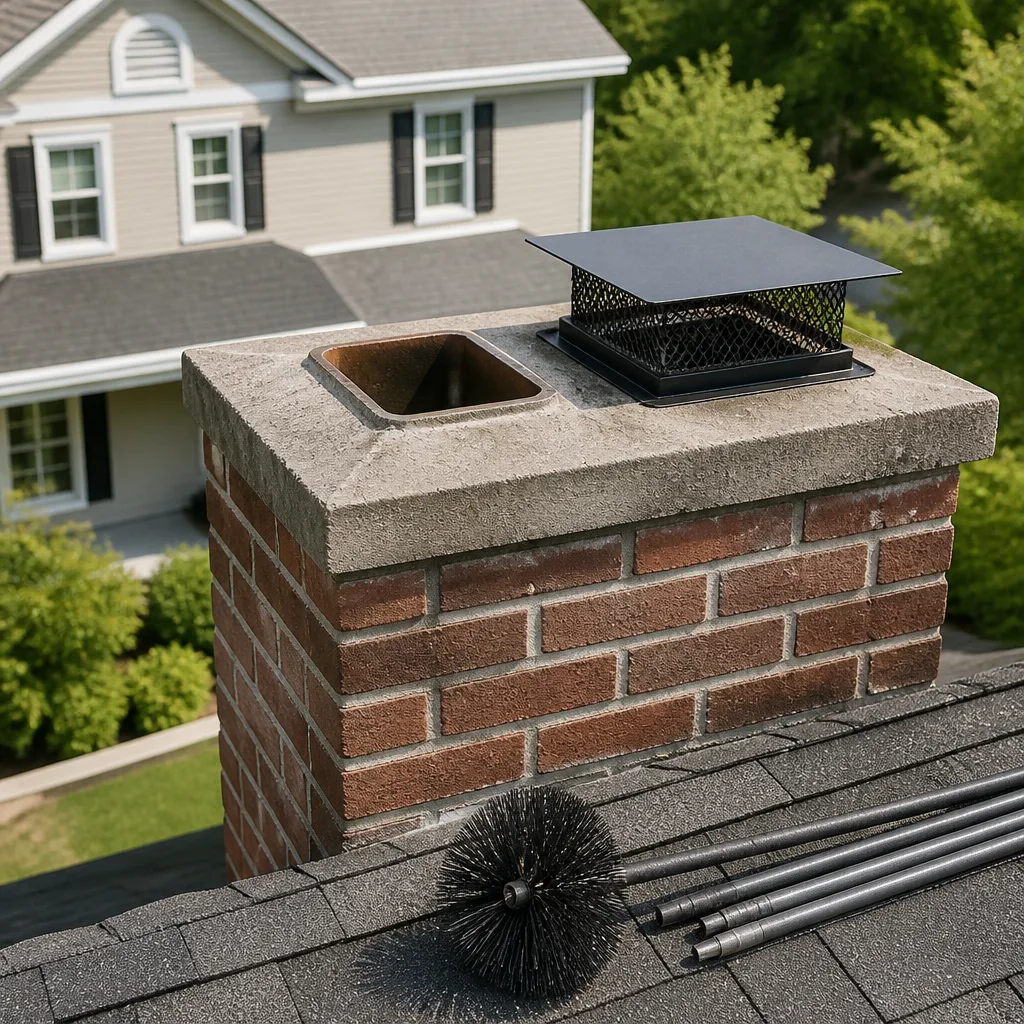 Sweep & inspection
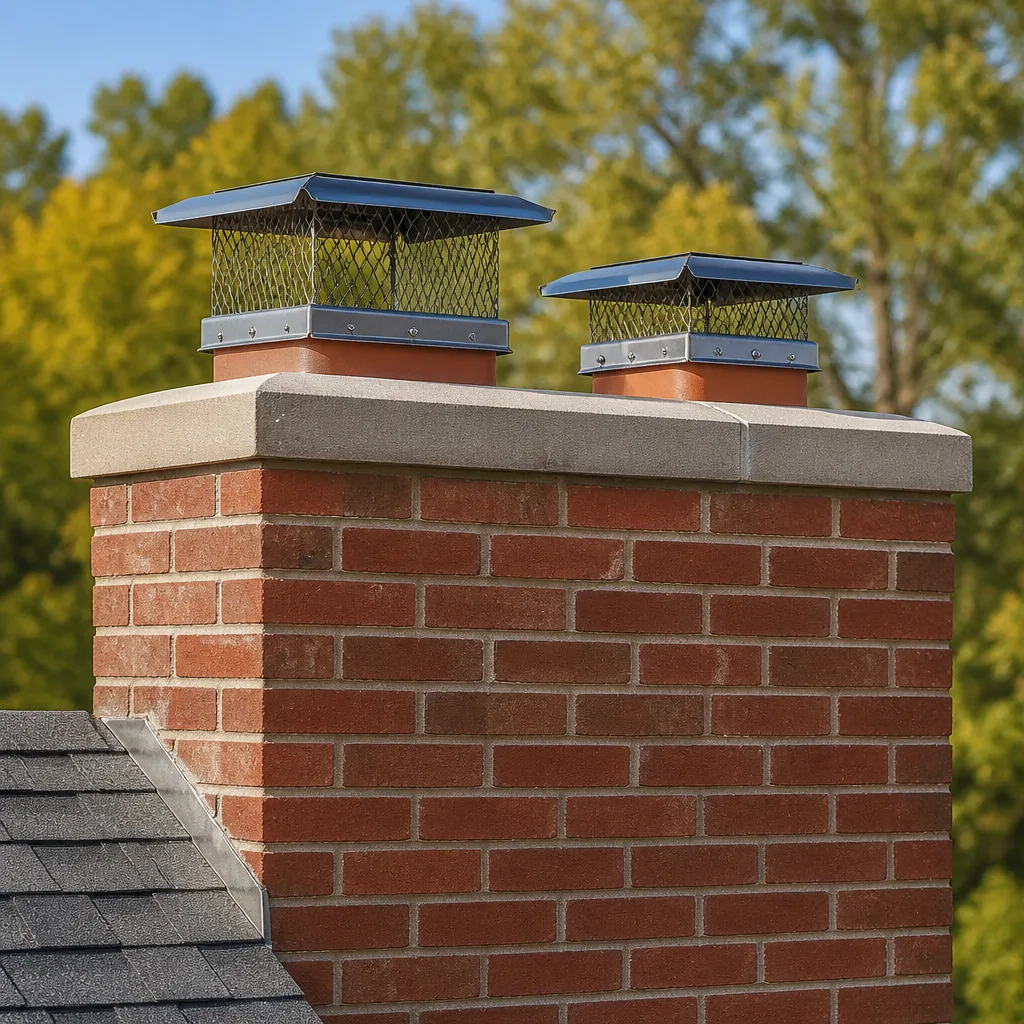 Caps & crowns
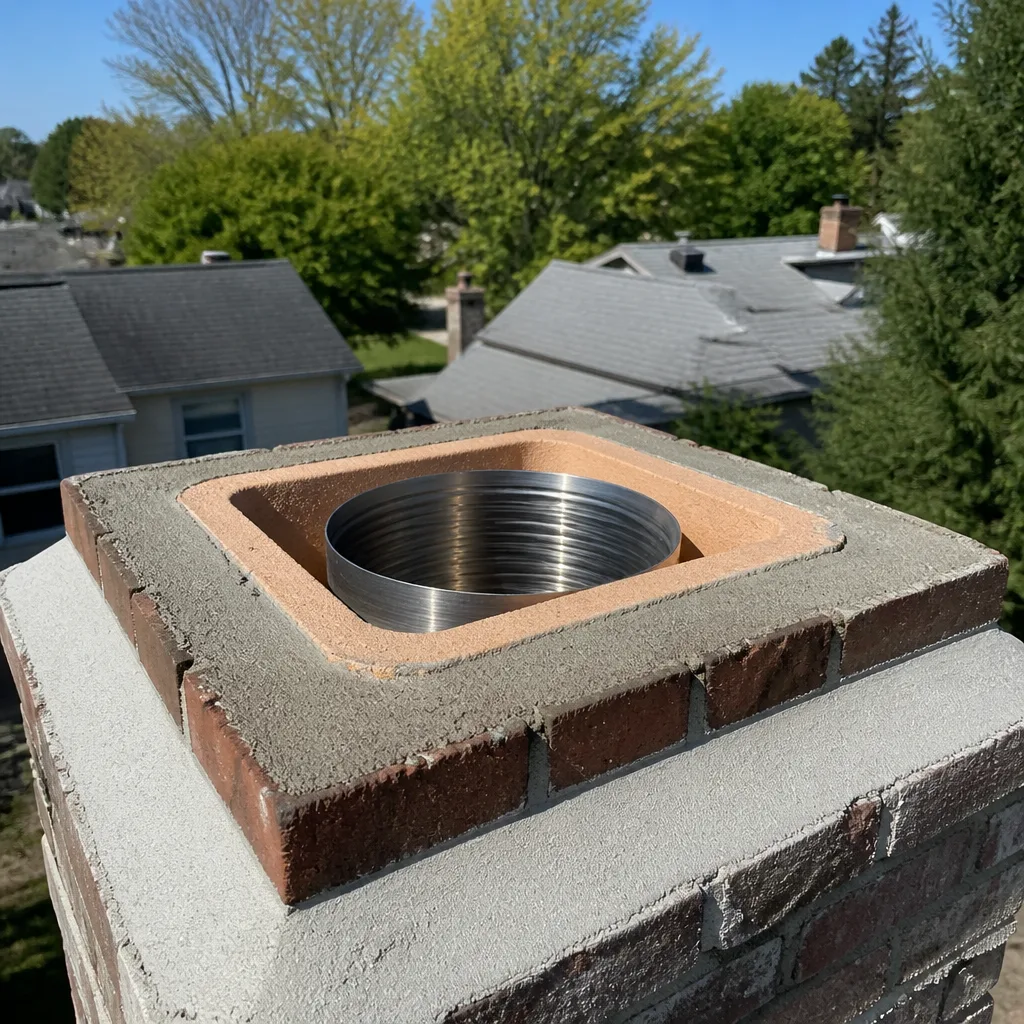 Flue relining
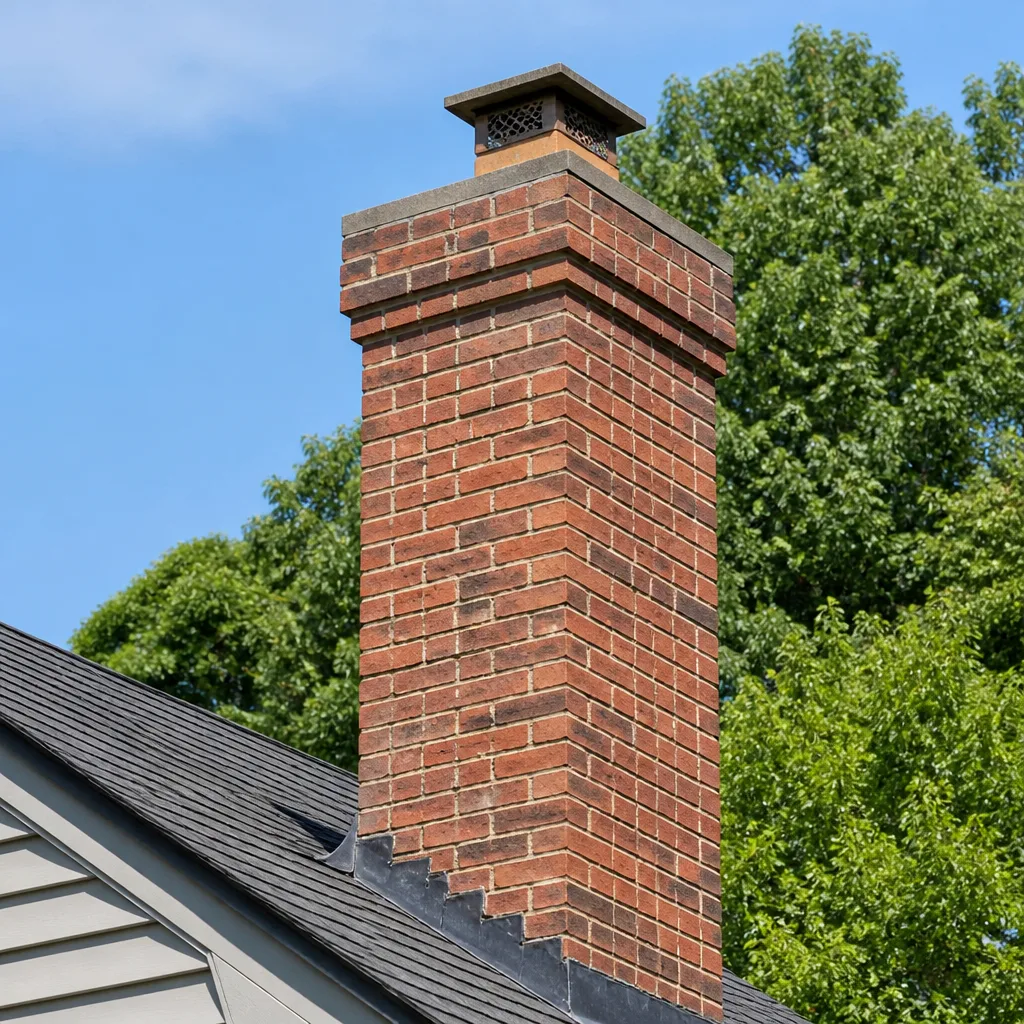 Masonry repair
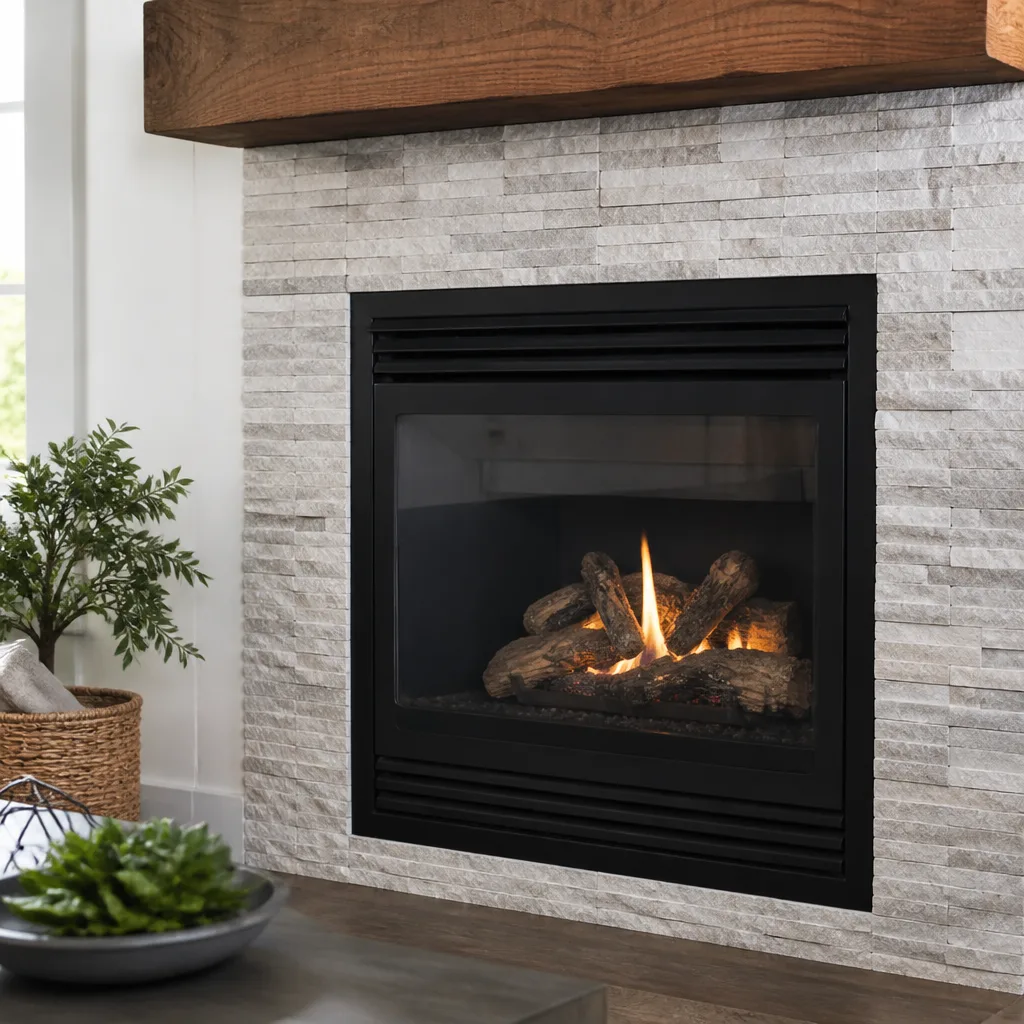 Gas fireplace service
Level 1 sweep and inspection to the NFPA 211 annual standard - flue, crown, cap, and flashing checked and photographed
Chimney sweep logs do not sweep chimneys. They loosen some creosote - which then falls where a brush and vacuum still have to collect it.
Chimney Sweep Troubleshooting in New Braunfels: Common Problems and How to Fix Them
If your chimney smokes back into the room only on humid mornings, or only after a cedar pollen surge, the damper usually isn’t the problem. It’s atmospheric pressure running into a partially obstructed flue. That single distinction changes the fix entirely, and it’s the reason so much well-meaning advice online sends people down the wrong path. This guide treats your chimney as a Hill Country system, not a generic flue. You’ll learn how New Braunfels humidity bonds creosote faster, how live oak and mountain cedar debris clog caps, why single-story slab homes draft poorly, and which repairs are real DIY and which are not.
Quick Answer
Most chimney problems in New Braunfels come down to two regional culprits: high humidity that accelerates creosote bonding to liner walls, and live oak plus mountain cedar debris that blocks flues and caps. Smoking on humid mornings or after pollen surges is usually a draft and obstruction issue, not a damper issue. Liner cracks and offset flue tiles always need a professional diagnosis before anyone touches a repair.
Styles & brands we work with
- Sweep & inspection
- Caps & crowns
- Flue relining
- Masonry repair
- Gas fireplace service
Table of Contents
- Why New Braunfels Humidity Makes Creosote Worse
- Live Oak and Mountain Cedar Debris: The Flue Blockers
- Smoke Backdraft in Single-Story Slab Homes
- Cap Failures: Wind, Rust, or Animals?
- Diagnosing Without Climbing on the Roof
- What’s a Safe DIY Fix and What Isn’t
- How Often to Sweep in This Climate
- Common Mistakes to Avoid
Why New Braunfels Humidity Makes Creosote Worse
Creosote is a tar-like byproduct of incomplete wood combustion, and it doesn’t form at the same rate everywhere. In dry climates, much of what deposits on a flue wall stays somewhat friable, easier to brush off during a cleaning. New Braunfels sits in a belt of genuinely humid air, especially through the cooler months when fireplaces get the most use. That moisture interacts with freshly deposited creosote and helps it cure into a harder, glossier layer that clings to the liner wall. A chimney here can build glazed creosote in a single season of steady burning on cool, damp days.
What that means practically is that the standard advice to sweep once a year may not match your actual use pattern. A household burning a few times a month is fine on the annual schedule. A household that burns most damp evenings from November into February may see heavier, harder deposits by spring than the volume of wood would suggest. Glazed creosote is the chief fire hazard in a chimney, because it ignites at lower temperatures than the fluffy stage. For the plain-language version of the cleaning itself, see our chimney sweep page.
How to tell which stage you’re dealing with
You can learn to read the flue by looking, without stepping on the roof. Shine a strong light up the firebox with the damper open, or take a phone photo up the throat.
- Soft, sooty, black fluff: stage one. Normal, easiest to remove, brushes away cleanly.
- Hard, crusty, dark brown or black: stage two. Needs real mechanical agitation and regular sweeping.
- Shiny, glassy, tar-like: stage three. Fire hazard. This is when a sweep becomes urgent and when resurfacing products like HeatShield earn their keep by restoring a smooth flue surface without tearing out the whole system.
We carry DuraFlex and HeatShield materials for exactly this reason: the fix needs to outlast the invoice. That said, no repair happens without a camera inspection first, so you can see the stage for yourself before anyone recommends a material.
Live Oak and Mountain Cedar Debris: The Flue Blockers
Live oaks hold their leaves through winter and shed heavily in spring. Mountain cedar releases clouds of pollen in the cooler months and drops fine debris year round. Around New Braunfels, both end up in chimney caps, spark arrestors, and the top of the flue. The result is a chimney that looks fine from the ground but drafts poorly because the crown of the flue is partially blocked by leaves, seed pods, twigs, and pollen matted together by rain.
Diagnosing this without climbing on the roof takes a few minutes and no ladder:
- Open the damper on a calm day and look straight up the throat with a flashlight. You’ll see the flue tiles and, past them, either daylight or a dark clog.
- Note where the light disappears. Full daylight means the flue is clear all the way. Dark patches where the top should be bright signal a partial or full obstruction from above.
- Check the firebox floor for leaves or twigs that have fallen down, which is a strong sign of a top-side block.
- Light a small test fire on a damp, windless morning. Smoke that rolls back into the room before the flue warms up points to obstruction or a draft problem, not a damper issue.
The fix for leaf and pollen obstruction is a proper top-down sweep and a cap inspection. And here’s the part most guides miss: a mesh spark arrestor that clogs with pollen over one season is worse than no screen at all, because it starves the flue. If your screen is packed solid with cedar pollen, it needs clearing, not just reattaching. Our team handles the whole job, from the firebox to the crown cap, on a scheduled visit to New Braunfels.
Smoke Backdraft in Single-Story Slab Homes
A chimney doesn’t push smoke, it pulls it. Warm exhaust rises through the flue because the air inside is warmer and lighter than the outside air. When the home’s interior sits at negative pressure relative to outdoors, that pull weakens or reverses, and the room’s air wants to move down the chimney instead of up. Plenty of New Braunfels homes are single-story on a concrete slab, which changes the pressure picture in ways a two-story house doesn’t share.
Why does it happen here more than you’d expect? Humid, heavy air drafts less readily than cold, dry air. A tight, well-sealed single-story home with a modern kitchen exhaust fan or a bathroom vent can pull enough air out to starve the fire. And a cold flue doesn’t draft at all until it’s warmed, which is why a fire often smokes at startup and then clears.
Pressure rules that matter, explained plainly
- Big exhaust fans starve a fire. A range hood running on high can pull a small house negative. Crack a nearby window a few inches to feed the fire.
- Cold flue, weak draft. Prime the flue with a rolled newspaper torch held near the open damper to warm the column before lighting the firewood.
- Humid air is heavy air. Damp mornings reduce the pressure difference between inside and out. The fire needs a stronger warm-up before it pulls cleanly.
- Obstruction mimics pressure. A partially blocked flue won’t draft no matter how you prime it. If priming the flue doesn’t fix the backdraft on a humid morning, look for a block before blaming pressure.
If backdraft persists after those checks, a camera inspection is the right next step, because a pressure problem and a bird’s nest can behave identically from the living room.
Cap Failures: Wind, Rust, or Animals?
Caps fail for three reasons in this region, and each has a different signature. Wind damage is the most common in Comal County, where gusts get channeled along the hills and ridges and hammer one side of a cap more than the other. Rust is the second, from years of humid air and rain exposure. Animal intrusion is the third, and the most surprising to homeowners who’ve never dealt with it.
The wind signature
Look for a cap that’s tilted, one-sided wear, or a cap that shifted off-center. If you stand back from the house after a windy day and the cap isn’t squarely on the flue, wind is a likely culprit. Fixing it means removing, realigning, and securing the cap, which is a professional job because it involves working safely at the top of the flue.
The rust signature
Rust shows as orange or brown discoloration on the cap or screen, pitting, or mesh that’s gone brittle and flaky. A rusted-out screen is a false sense of security: it’ll hold a bird out but won’t stop debris from packing the flue. Replacing a rusted cap with a professional-grade model from a supplier like Olympia Chimney or Gelco is a durable fix.
The animal signature
Nesting material, feathers, or droppings on the firebox floor. A flue that suddenly drafts poorly after a quiet week. And, occasionally, an unmistakable scratching sound. Never attempt to light a fire if you suspect an animal block; a nest is combustible. The cap needs to be removed, cleared, and replaced with a screen sized appropriately.
Diagnosing Without Climbing on the Roof
Most of the important chimney diagnosis happens from indoors. Before anyone puts a ladder against the house, a homeowner can gather a lot of useful information. Here’s the sequence we’d walk you through on a phone call.
- Look up the flue from the firebox. Flashlight or phone camera, damper open, note daylight or blockage.
- Sweep the firebox floor for debris. Leaves, twigs, or sooty flakes tell you where the problem started.
- Light a small test fire. Watch the smoke, particularly on a humid morning or a gusty day. Note whether it rises cleanly, stalls, or backdrafts.
- Note the season and recent weather. Smoke-on-humid-mornings points one direction. Smoke-on-windy-days points at the cap.
- Check the smell. A strong smoky smell in the room even when no fire is burning often indicates partial obstruction or a damper that doesn’t seal.
- Check exterior. From the ground, look at the cap for a tilt, and at the chimney’s exterior for obvious shift or discoloration.
Any step that produces a red flag is worth a call. If you’re already due for a routine inspection, our chimney repair team will do the camera inspection, show you the photo report, and tell you what to do about it in order of urgency. You see what we see before you decide on anything.
What’s a Safe DIY Fix and What Isn’t
We get asked this a lot, and it’s where honest guidance beats confident-sounding advice. Here’s the line.
Legitimate DIY
- Cracking a nearby window to relieve negative pressure when lighting a fire.
- Priming the flue with a paper torch before lighting.
- Clearing leaves from a spark arrestor screen with a shop vacuum from the firebox, when the cap is reachable safely from the ground and the flue is otherwise clear.
- Keeping the damper properly positioned and confirming it opens and closes fully.
- Choosing dry, seasoned firewood, which is the single biggest reducer of creosote in humid climates.
Not DIY
- Liner cracks. A cracked flue liner is a carbon monoxide hazard and a fire hazard. It is never a caulk-or-patch job. Diagnosis and repair require camera inspection and a proper reline, often with a flexible system like DuraFlex.
- Offset flue tiles. A flue with an offset or a misaligned tile joint can’t be brushed cleanly from below, and a DIY brush will often skip the offset entirely, leaving the worst deposits untouched.
- Glazed creosote. Stage-three creosote can’t be safely removed with a homeowner brush. It takes rotary tools and, in some cases, a resurfacing product like HeatShield after the glaze is removed.
- Rooftop work. Ladders, roof pitch, wind gusts, and steep slopes make this a fall hazard, and we don’t advise homeowners to climb. A camera inspection tells the same story far more safely.
The safety caveat bears repeating: carbon monoxide from a failed liner or flue can’t be seen or smelled. Be specific about the risk at the point of diagnosis and never imply a hazard the inspection hasn’t confirmed. If a camera inspection finds a compromised liner, we’ll show you the photo, explain the fix, and give you a written estimate.
How Often to Sweep in This Climate
The honest answer is: more often than the generic once-a-year rule suggests if you burn heavily in a humid climate. A chimney sweep in New Braunfels should generally happen at least once a year for any household that uses a wood-burning fireplace, with a second sweep mid-season for heavy users. Households on gas fireplaces need an inspection schedule but less frequent cleaning, because gas produces almost no creosote.
A simple decision guide
- Occasional wood burning (a few fires a month): annual sweep and inspection.
- Regular wood burning (most cool evenings through winter): annual sweep, with a mid-season visual check up the flue.
- Heavy wood burning (daily through the season): sweep twice, once before the season and once mid-season.
- Gas fireplace: annual inspection, no creosote cleaning required.
- Any chimney after an animal intrusion: sweep and inspect, regardless of the calendar.
A properly cleaned chimney with a smooth liner surface holds less moisture and accumulates creosote more slowly, so the schedule compounds in your favor. This is one reason resurfacing and relining aren’t just repairs, they’re maintenance prevention. The team that sweeps is also the team that inspects and repairs, so your diagnosis and your fix come from the same set of hands. That continuity is one of the practical reasons we’ve built Beacon around all three services rather than one.
Common Mistakes to Avoid
- Blaming the damper for every smoke issue. In our experience, backdraft on humid New Braunfels mornings is almost never a damper problem. Check flue obstruction and pressure first, then the damper.
- Skipping the sweep during a mild winter. A mild winter means more small, cool fires, which produce more creosote than a roaring fire that burns hot and clean. Don’t assume light use means a light deposit.
- Burning unseasoned or wet wood. Damp wood sends moisture and creosote up the flue at once. Season it at least six months and keep the woodpile covered.
- Ignoring a spark arrestor that’s matted with pollen. Mountain cedar pollen can clog a mesh screen solid in one season. A clogged screen starves the flue, and starving a flue produces the exact backdraft you’re trying to eliminate.
- Assuming a cap is fine because it looks fine from the road. Channeled Comal County gusts can shift a cap slightly, and a cap that isn’t seated squarely is an open door for water and animals.
- Trying to patch a cracked liner. A liner crack is a carbon monoxide hazard. There is no safe sealant shortcut. This needs a camera inspection and a proper reline.
- Hiring a general handyman to sweep the chimney. Sweeping, inspection, and repair are a linked set, and a generalist who sweeps on the side usually can’t diagnose a liner problem or fix one. Choose a company that does all three.
When to Call a Professional
Call a professional if any of the following apply: smoke that backdrafts even after priming the flue and cracking a window; a liner you can’t verify is intact; a flue with any offset jogs that a brush can’t reach; glazed creosote visible up the flue; animal sounds or nesting material; a cap that’s shifted, rusted through, or missing; a persistent smoky smell with no fire burning; or a chimney you haven’t had inspected in over a year in a humid climate. Beacon Chimney Sweep offers free estimates in New Braunfels so you know the scope of the problem before you commit to anything. Call (888) 401-6898. We answer 24/7. Fast dispatch from 7am to 7pm, Sunday through Friday. Our technicians have up to 12 years of experience, and the inspection is done by the same team that does the repair.
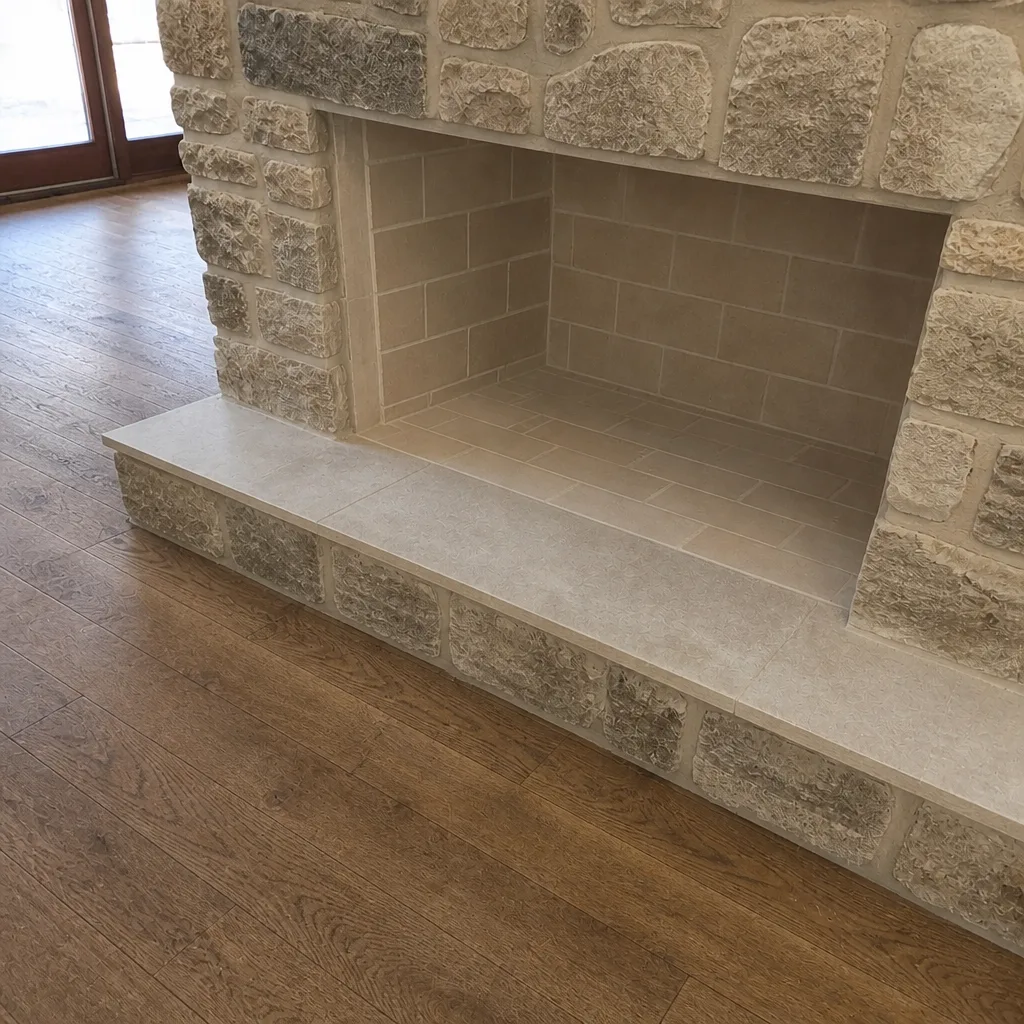
See the difference
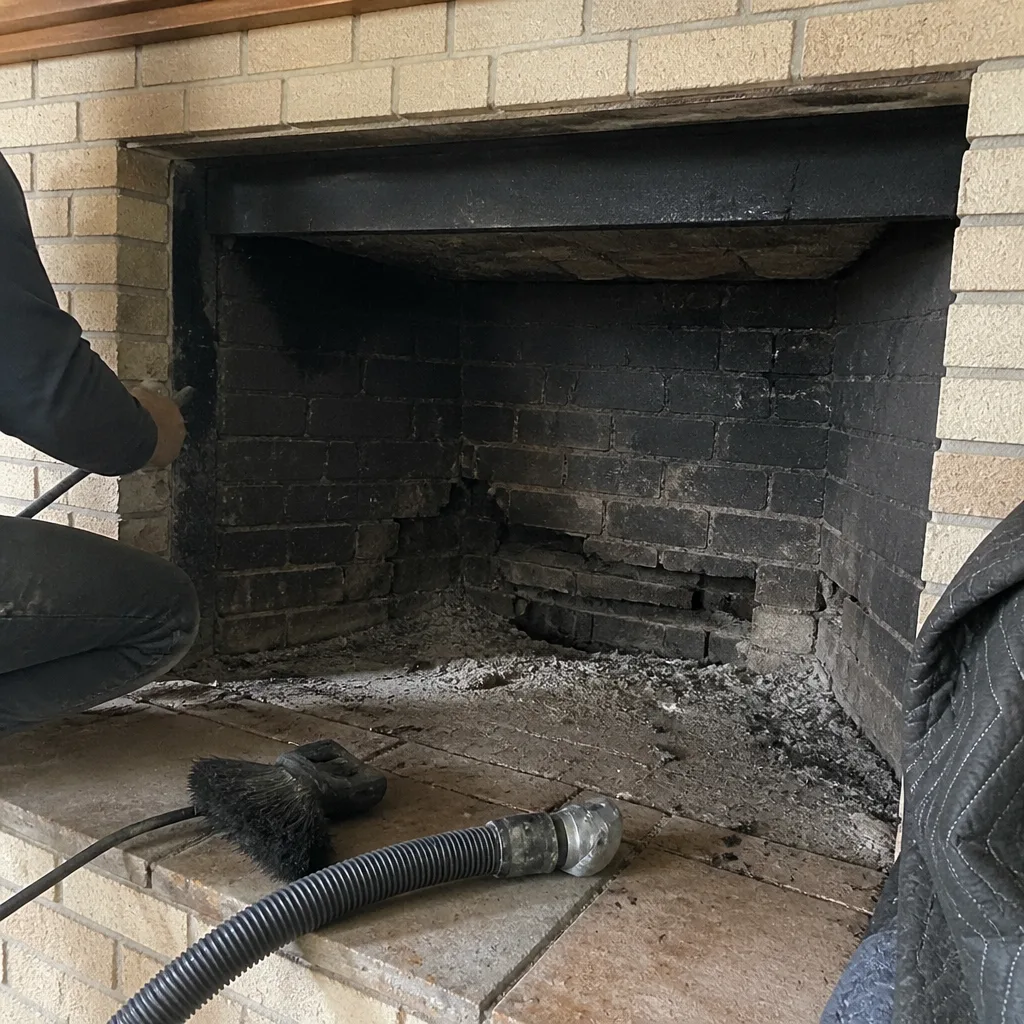 Before
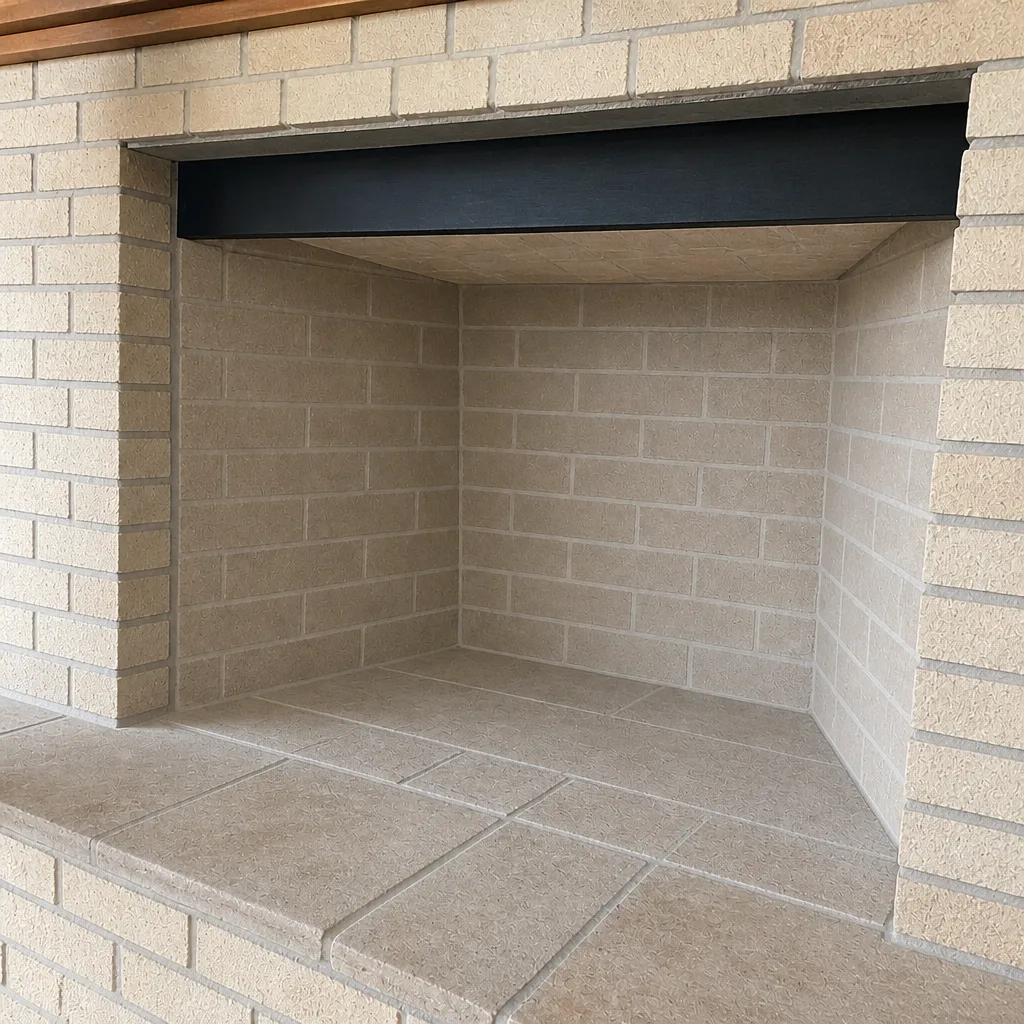 After
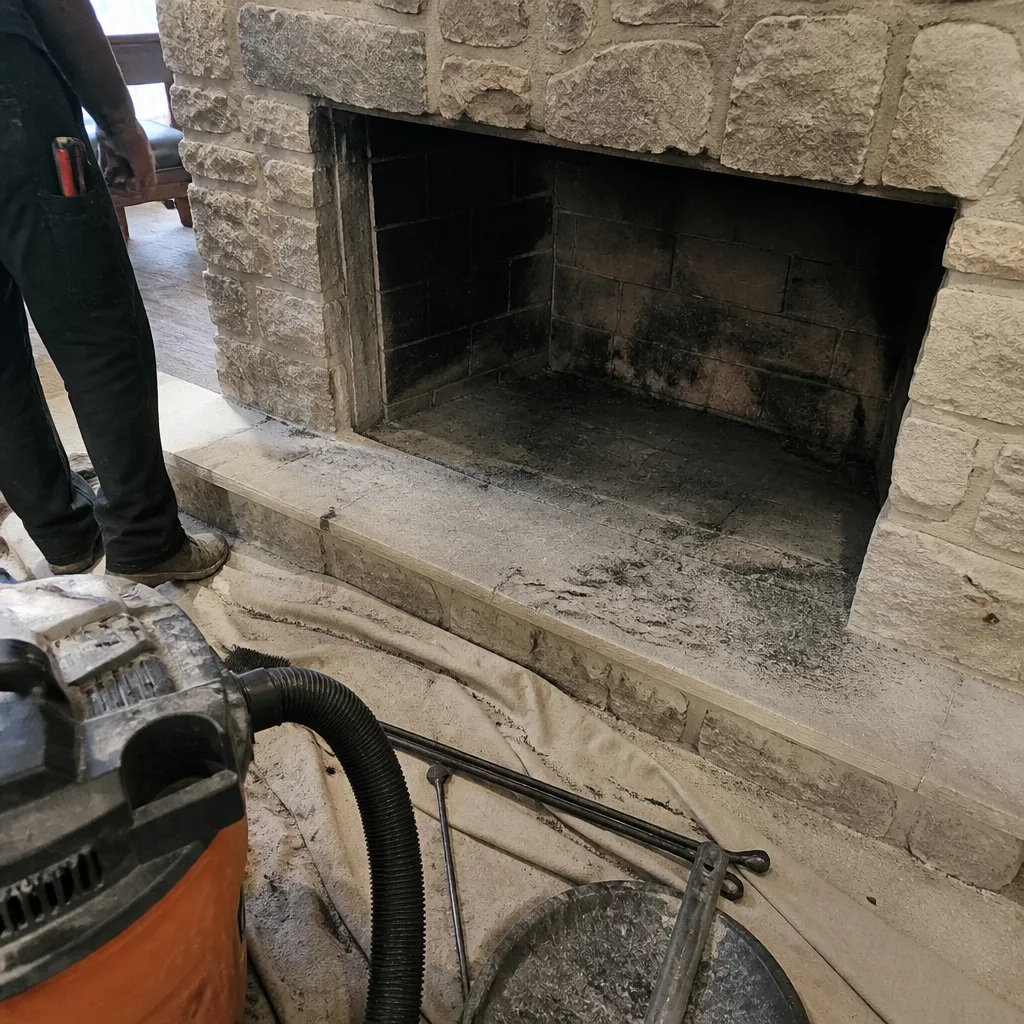 Before
 After
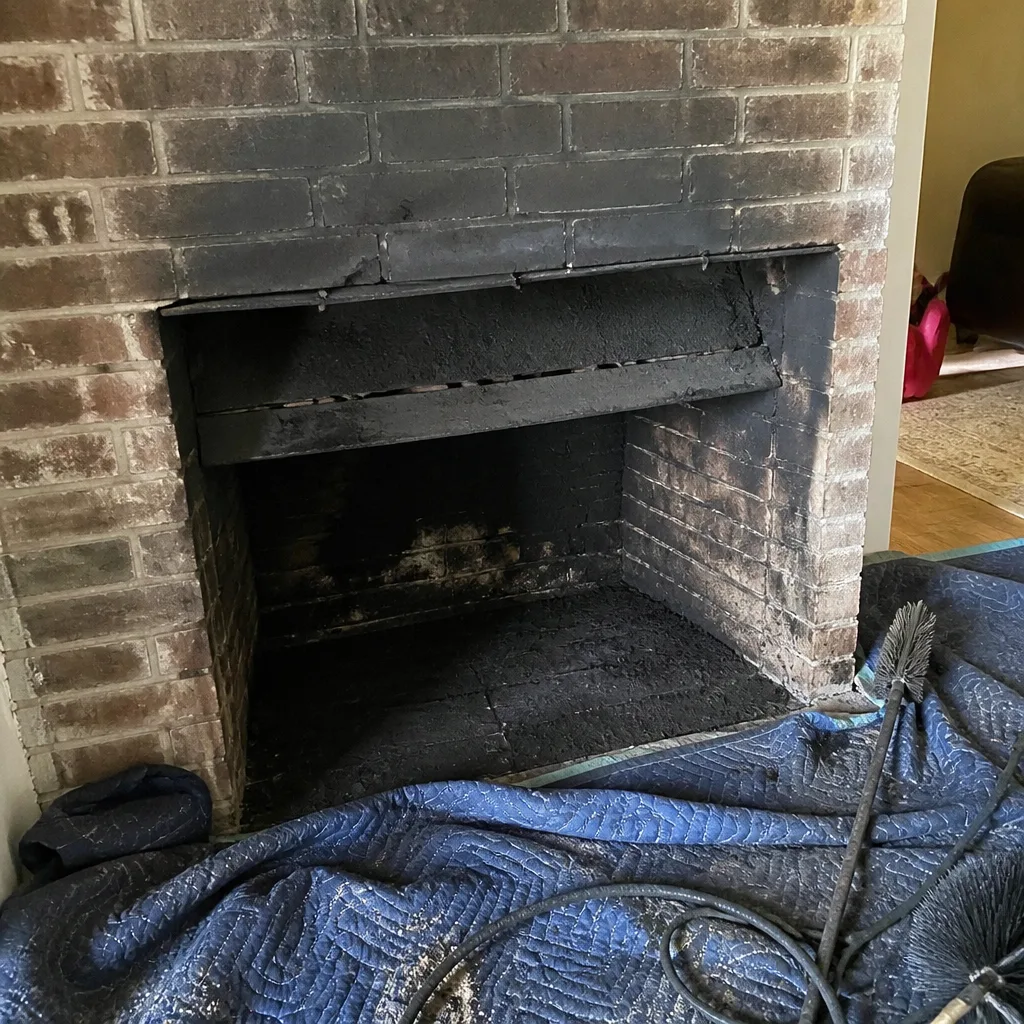 Before
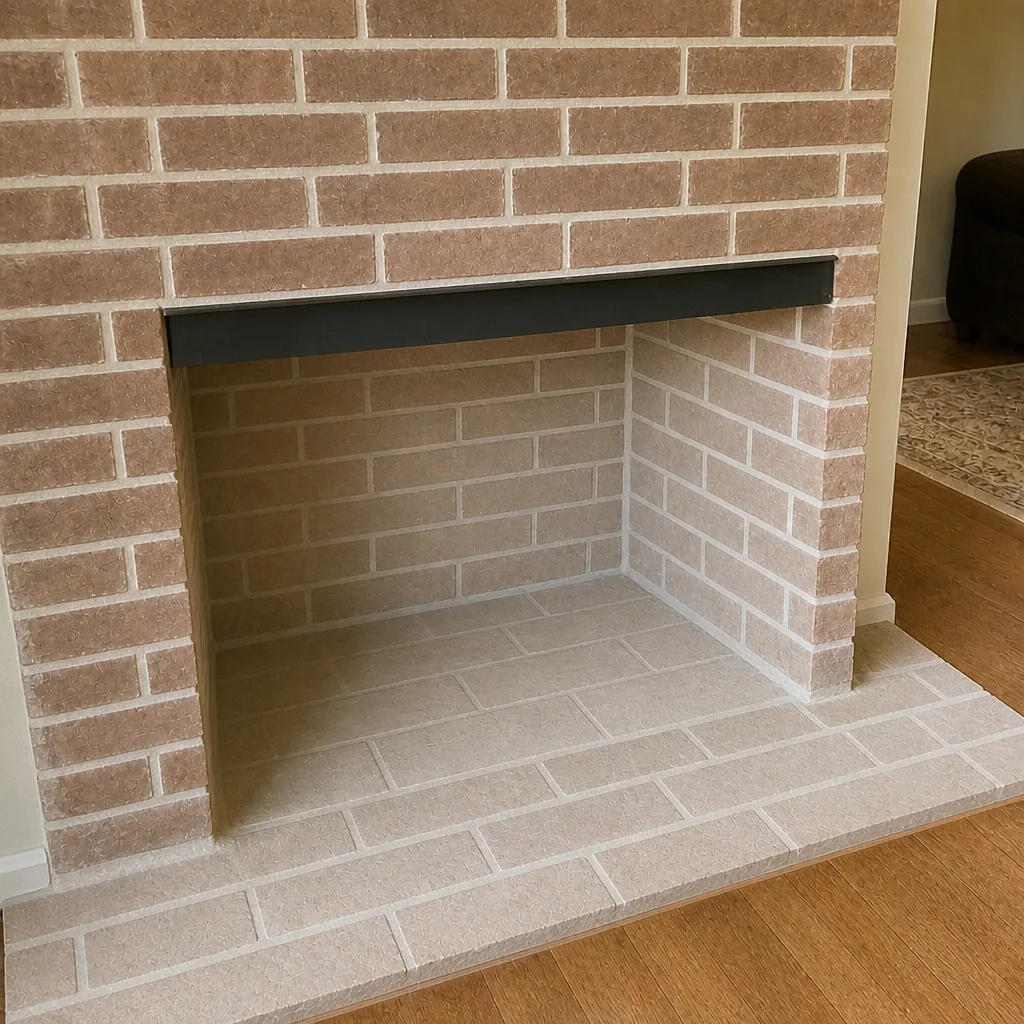 After
Frequently Asked Questions
Humid air is heavier and drafts less readily, so the flue takes longer to warm and pull a clean draft. Combined with a partially obstructed flue from pollen or leaves, the result is smoke that rolls into the room at startup. Prime the flue with a paper torch, crack a window, and if the backdraft persists, book a camera inspection to rule out a block. Call (888) 401-6898 for a free estimate.
Once a year for any household that burns wood, and twice if you burn most cool evenings through the season. The New Braunfels humidity makes creosote bond harder to liner walls, so heavy use builds a fire hazard faster than the generic once-a-year advice suggests. Call (888) 401-6898 for a free estimate and we’ll help you set the right schedule.
Yes. Live oak leaves and mountain cedar pollen accumulate in caps and spark arrestors, and a mesh screen packed with pollen starves the flue. The fix is a proper top-down sweep and a cap and screen inspection. Call (888) 401-6898 for a free estimate.
No. A cracked flue liner is a carbon monoxide hazard and a fire hazard, and it requires a camera inspection followed by a proper reline. There is no safe sealant shortcut. We carry DuraFlex flexible liner systems and HeatShield resurfacing products for exactly this kind of repair. Call (888) 401-6898 for a free estimate.
Creosote builds up and eventually glazes into a stage-three layer that ignites at lower temperatures than a well-kept chimney should tolerate. That’s the chief fire hazard in a chimney, and in New Braunfels humidity the buildup happens faster than the calendar alone suggests. Call (888) 401-6898 for a free estimate before the next burning season.
Yes. A chimney can have a cracked liner or a partially blocked flue while working fine from the living room, because carbon monoxide and glazed creosote can’t be seen or smelled. An annual inspection with a camera photo report is how problems get caught before they become emergencies. Call (888) 401-6898 for a free estimate.
The Bottom Line
Chimney problems in New Braunfels usually come down to two regional factors: humid air that cures creosote into a harder, more hazardous layer, and live oak plus mountain cedar debris that blocks flues and caps. Smoking on humid mornings is usually a pressure and obstruction issue, not a damper problem. Caps fail for wind, rust, or animals, and each has a different fix. Some fixes are safe DIY, but liner cracks and offset flue tiles are not, and no repair should start before a camera inspection you can see for yourself. When in doubt, get the inspection done, get the photo report, and decide.
Contact
Beacon Chimney Sweep handles sweeping, inspection, and repair as one service, from the firebox to the crown cap. We source from professional-grade brands including DuraFlex, HeatShield, Gelco, Olympia Chimney, Famco, and Copperfield so the repair outlasts the invoice. Nothing is recommended without camera evidence you can see for yourself, and we’ll say plainly when work can safely wait. For a free estimate in New Braunfels, call (888) 401-6898. We answer 24/7. Fast dispatch from 7am to 7pm, Sunday through Friday. You can also start with our main Beacon Chimney Sweep page to see the full scope of what we do.
Written by the team at Beacon Chimney Sweep.