
Last updated November 15, 2026
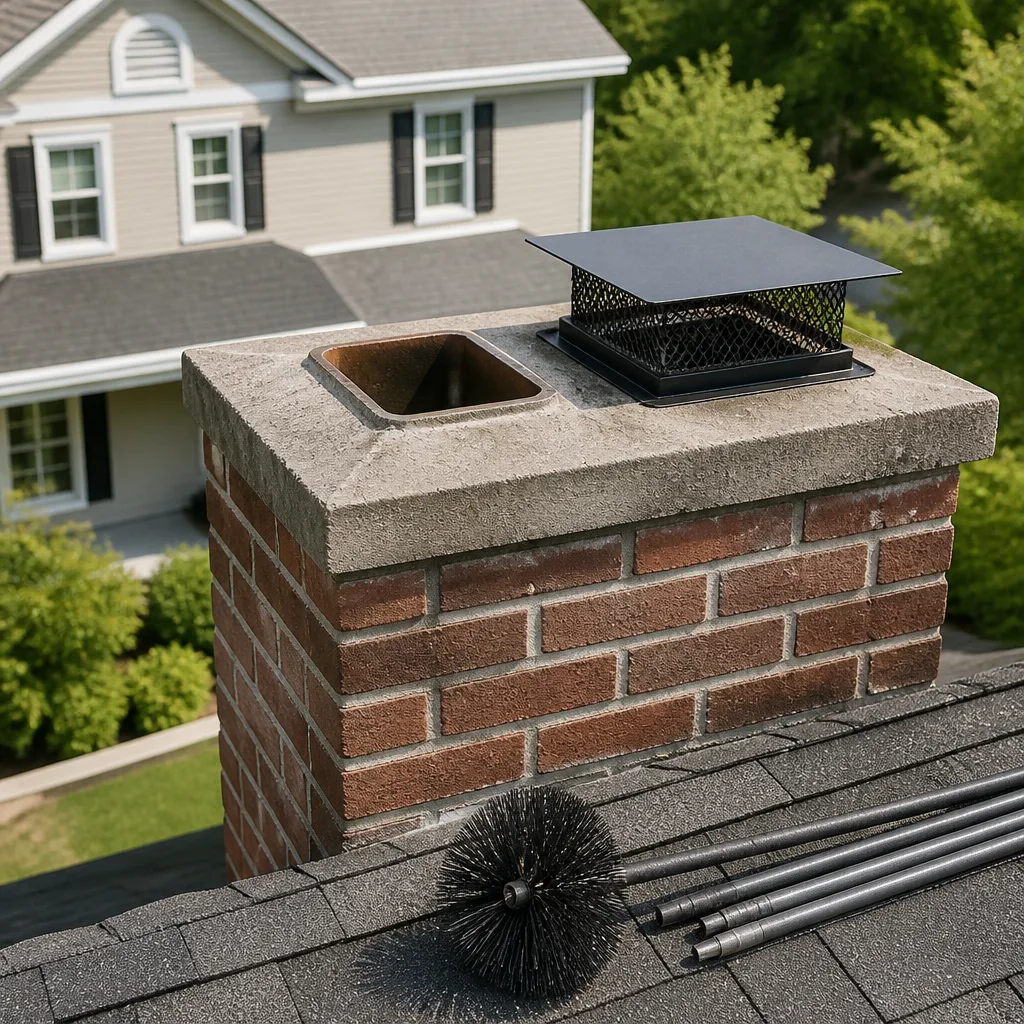 Sweep & inspection
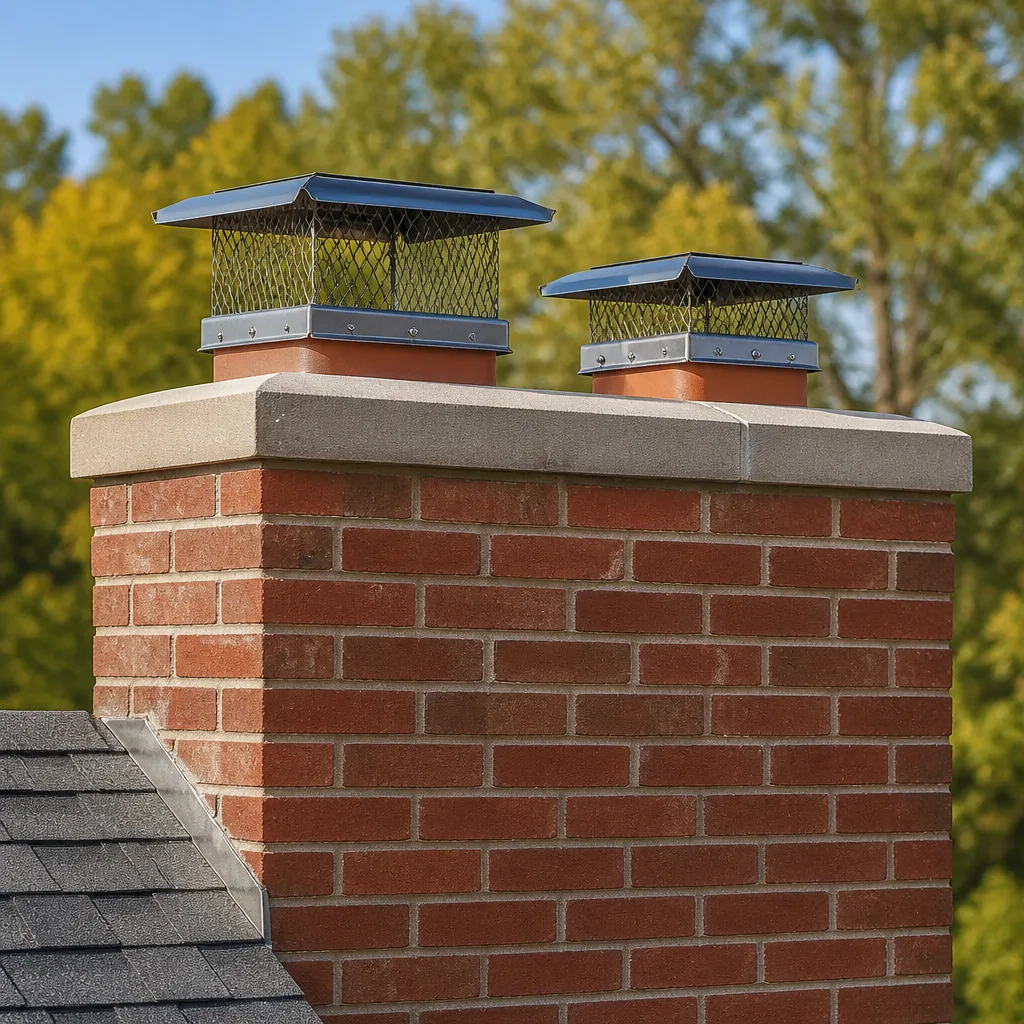 Caps & crowns
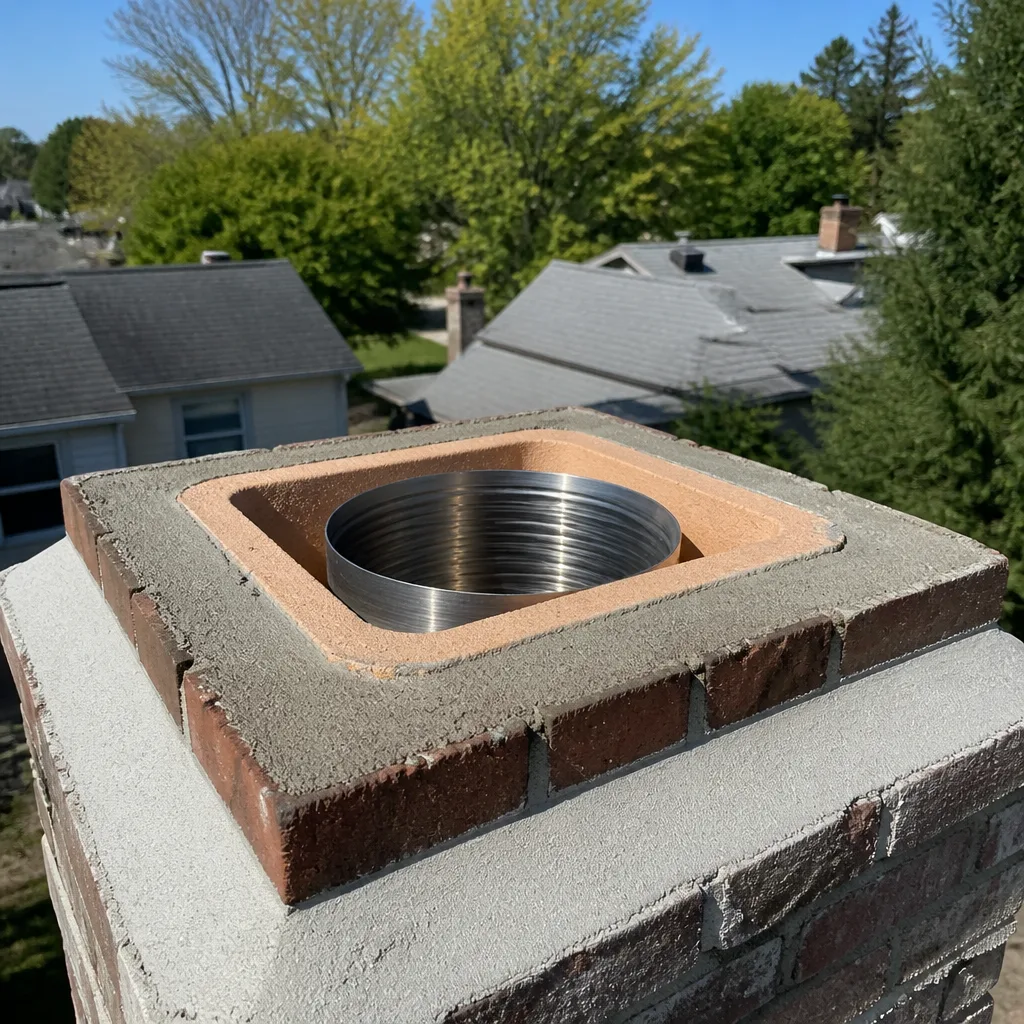 Flue relining
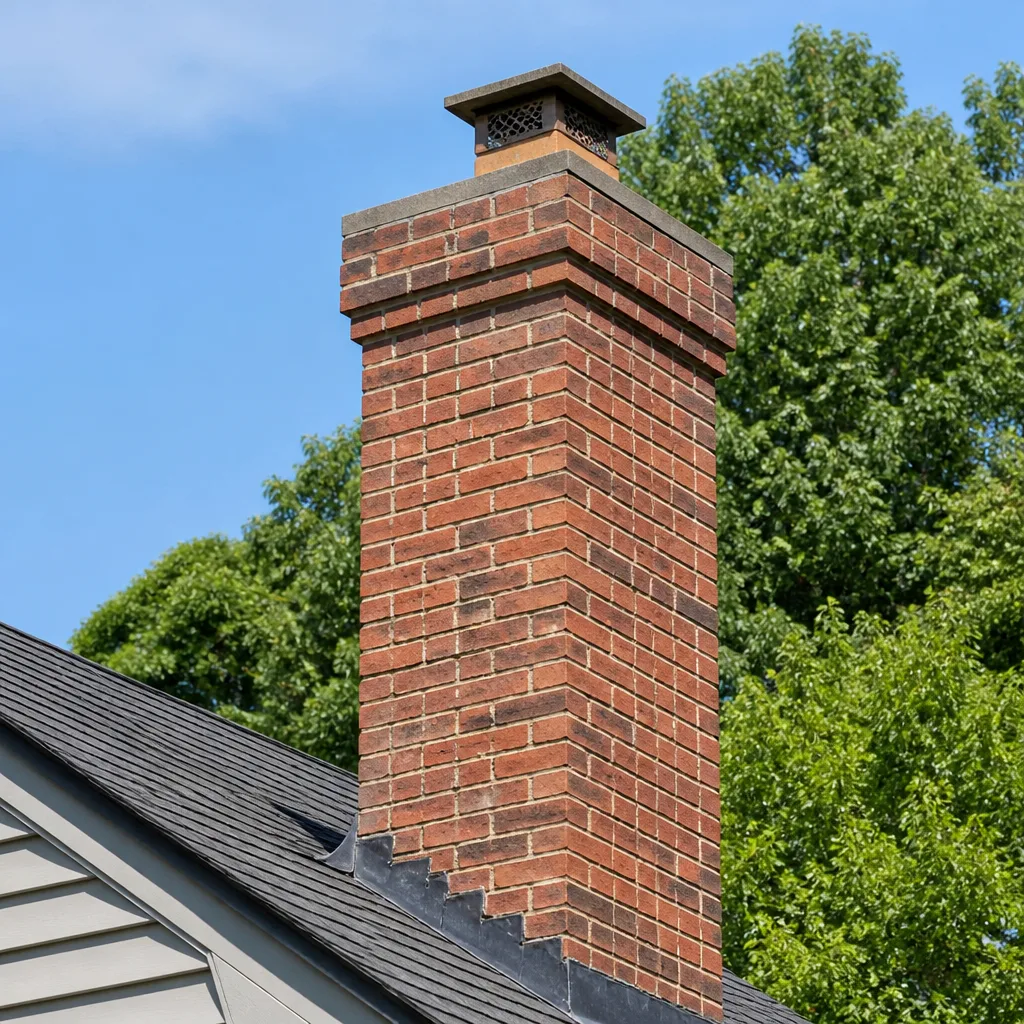 Masonry repair
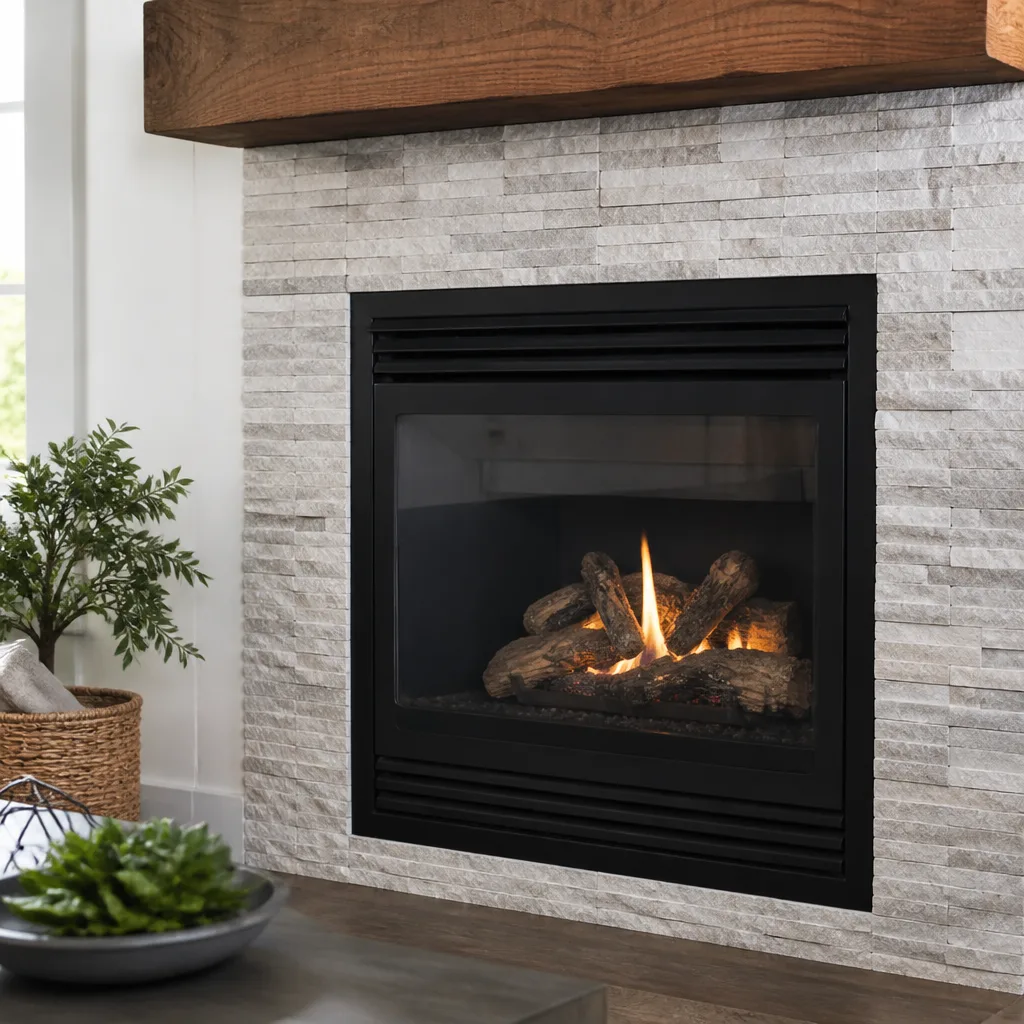 Gas fireplace service
Level 1 sweep and inspection to the NFPA 211 annual standard - flue, crown, cap, and flashing checked and photographed
Chimney sweep logs do not sweep chimneys. They loosen some creosote - which then falls where a brush and vacuum still have to collect it.
Chimney Cleaning Warning Signs: A New Braunfels Homeowner’s Reference Guide
A strong campfire smell in your living room on a hot August afternoon, with no fire lit, is not normal. It’s a draft failure, and a draft that reverses can push carbon monoxide back into your home instead of up and out. Most chimney problems announce themselves weeks before they turn dangerous, through smells, sounds, and small visual cues that homeowners walk past every day because nobody ever taught them what to look for. That’s what this guide fixes. We’re going to build your observational vocabulary: the smells, the firebox details, the draft behavior, and the exterior signs you can spot from the ground. By the end, you’ll know how to describe what you’re seeing to a chimney professional in New Braunfels in a way that gets the right diagnostic on the first visit.
Quick Answer
The main chimney warning signs are smells when no fire is burning (musty, sulfur, or oil odors), smoke rolling into the room instead of up the flue, crumbling or stained masonry inside the firebox, dark creosote buildup on the flue walls, and cracked crowns or missing caps visible from the ground. In New Braunfels, any of these means booking an inspection before your next fire, not after.
Styles & brands we work with
- Sweep & inspection
- Caps & crowns
- Flue relining
- Masonry repair
- Gas fireplace service
Table of Contents
- Smell-Based Warning Signs Most Homeowners Dismiss
- What to Look For Inside the Firebox
- Draft Symptoms You Feel During a Fire
- Exterior Signs You Can See From the Ground
- Sounds and Timing: The Overlooked Signals
- How to Describe What You’re Seeing to a Professional
- The New Braunfels Chimney Calendar
- Why the Annual Sweep Isn’t Optional
Smell-Based Warning Signs Most Homeowners Dismiss
Your nose is the cheapest diagnostic tool you own, and it works months before a chimney fire becomes a possibility. The problem is that most people write off a smell as “just the chimney doing its thing.” Here’s what each odor actually points to.
Musty, damp, or earthy smell. A musty flue odor when the fireplace is cold usually means moisture is getting in somewhere it shouldn’t. That’s often a crown crack, an uncapped flue, or a chimney that’s absorbed water into the masonry. In our experience, a musty flue in a New Braunfels home gets worse after the rainy spring, when water has had weeks to sit inside the stack. Moisture and creosote together are a bad combination because damp creosote corrodes a metal liner far faster than dry buildup does.
Sulfur or rotten-egg smell. This one gets missed constantly because it reads as “something died in the walls.” A sulfur odor inside a firebox or nearby room can indicate an animal that got into the flue and didn’t get out, decaying debris, or in gas-appliance setups, an incomplete combustion issue. If you have a gas fireplace or gas logs and smell sulfur, treat it as a gas concern and call before you use the appliance again.
Oil or chemical smell. An oily, almost kerosene-like odor with no fire lit can point to a blocked or partially blocked flue that’s trapping combustion byproducts. It can also come from a dirty flue that hasn’t been swept in a long time, where old deposits are off-gassing on warm days.
Smoke smell in a room with no fire. This is the draft-failure signal we opened with. A hot, humid Hill Country afternoon makes it worse, because the outdoor air is warmer than the air inside the flue and the stack has no reason to pull upward. When it does happen consistently, it’s a sign of a chimney that’s under-drafted, undersized, or obstructed.
- Musty: water intrusion or absorbed moisture in the masonry.
- Sulfur: animal intrusion, decaying debris, or a gas concern.
- Oil or chemical: trapped byproducts or long-neglected buildup.
- Campfire smell with no fire: draft failure, potentially pushing carbon monoxide into the home.
None of these are reasons to panic. All of them are reasons to get the flue looked at before the next fire.
What to Look For Inside the Firebox
The firebox is where you can see the most with the least equipment. A flashlight and five minutes in front of the hearth will tell you more about your chimney than a hundred pages of advice. What you’re looking for is change: anything that wasn’t there last season.
- Crumbling or flaking firebox walls. Bricks and mortar joints inside the firebox should look tight and consistent. White, chalky powdering (efflorescence) or mortar that crumbles when touched lightly points to water damage or heat-related spalling.
- Gaps or cracks in the smoke chamber. Look up into the throat above the damper. Dark gaps or visible cracks in the angled walls of the smoke chamber are where heat escapes into the structure of the chimney, and they’re one of the most common failure points we find.
- Dark, glossy, or tarry buildup. Creosote goes through stages. Flaky, dry, gray-brown is early. Glossy, black, and crusty is stage-3 creosote, which is the highest fire risk and usually needs a professional sweep to remove safely.
- Rust, moisture, or drip marks. Rust on the damper, water stains, or visible moisture points to a leak at the top of the chimney, often a deteriorated crown or an uncapped flue.
- Animal evidence. Nesting material, droppings, feathers, or the smell of an animal is a sign the flue is being used by wildlife. A blocked flue and an open damper are a genuinely dangerous combination for carbon monoxide.
- Cracked or missing flue tiles. If you can see the flue tiles from the top of the firebox, cracked tiles or gaps between sections are a serious finding because gases can travel through those cracks into the chimney’s structure.
None of these is a rush-to-the-ER emergency by itself. Each one is a clear diagnostic marker that tells a chimney professional exactly what to inspect and what to plan for. When a swept chimney gets to us before the firebox shows damage, the fix is often a resurfacing job rather than a full liner replacement. HeatShield systems are one option for exactly that kind of flue restoration, and knowing which problems fall into that category is the difference between a modest repair and a rebuild.
Draft Symptoms You Feel During a Fire
A well-functioning chimney pulls smoke steadily up and out. A troubled one gives it back to you. The felt symptoms below are your best clue that something is wrong with the airflow, and each one points to a different underlying cause.
Smoke rolling out into the room. If smoke spills into the room when you light a fire or as it establishes, the flue is either cold, obstructed, or undersized. A cold flue in fall is common and usually resolves as the chimney warms up. Consistent rollout regardless of temperature is not a draft issue you solve by opening a window.
Slow ignition and difficult starting. Fires that take forever to catch, or that smolder and smoke rather than burn cleanly, are often fighting inadequate draft. A partially blocked flue, an obstinate damper, or a flue that’s too large for the firebox all show up this way.
A smell of smoke even when it’s burning well. If the fire looks fine but you can still smell smoke, the chimney may be pulling some exhaust back into the room, or you’re smelling old creosote as the flue warms. This shouldn’t be normal.
Backdraft on windy days. Humid, still air traps smoke in the stack. Wind gusts can push it back down the flue. Both effects are common in New Braunfels and both get worse with a poor cap or an obstructed flue.
The “creosote line” test. Look at the doorway of the fireplace after a fire. A stripe of dark creosote drawn across the top of the firebox opening is a sign that smoke has been lingering there, and that’s a draft symptom worth describing to a professional.
Smoke rollout, slow ignition, and a persistent smoke smell are usually the first things homeowners notice and the last things they mention when they call. Mention them first.
Exterior Signs You Can See From the Ground
You don’t need to get on the roof to spot most exterior chimney problems. A pair of binoculars or a phone camera with some zoom gets you there, and it’s worth walking outside with them once a season. Here’s what to look for at the top of the chimney, moving from the crown down.
- Crown cracks. The crown is the concrete cap that sheds water away from the chimney. Visible cracks, spalling, or a crown that’s pulling away from the flue is the most common water-intrusion point on a chimney.
- Missing or damaged cap. The cap is the metal or mesh cover over the flue. A missing cap lets rain, birds, and squirrels straight into the flue. Rusted, bent, or torn caps are common sight in New Braunfels, particularly on older homes where the original cap is still in place.
- Loose or missing mortar joints. Step back and look at the joints between bricks. Striated or recessed mortar, or a thin dark line where mortar used to be, is weathering.
- Spalling brick faces. Brick faces that have flaked off or bubbled out signal moisture that’s been absorbed and cycled through heat. That’s often the first exterior indicator of a liner problem.
- Leaning or separating chimney. A chimney that visibly leans or separates from the house is a structural concern. Don’t wait on this one.
- Staining on the exterior masonry. White, chalky efflorescence, dark streaks, or rust-colored staining on the outside tells you water is moving through the masonry somewhere. Water inside a chimney causes more long-term damage than most people realize.
- Vegetation growing from the chimney. Moss, vines, or small plants growing out of the chimney are using trapped moisture and organic material as a growing medium. That’s a clear water and debris signal.
- Debris visible at the top of the flue. Leaves, nesting material, or a visible rim of dark buildup at the flue opening is a sign the flue needs a sweep and a cap, and that the flue has been open to the weather.
One caveat here: from the ground you can confirm a crack, a missing cap, or a stain, but you can’t diagnose a liner. That’s what a camera inspection is for. If you can see any of the above, that’s your cue to book one.
Sounds and Timing: The Overlooked Signals
Chimneys talk to you, and most of what they say gets ignored. These aren’t the dramatic sounds you’d want a horror film to have. They’re the small ones that don’t match the weather or the season.
Rattling or tapping in the flue. A bird or squirrel that got in through an uncapped flue is the most common cause. It’s also a blocked flue waiting to happen. Get it out, then get a cap on.
Loud pops or a low roar while the fire is burning. If a fire that has been burning quietly suddenly roars, or you hear a repeated popping from inside the flue, that can indicate ignition of creosote in the chimney. Turn it into a scheduled inspection and sweep before the next fire, and keep a working smoke detector and carbon monoxide detector in the room.
Whistling or humming. That’s usually an airflow issue rather than a chimney issue, but it can indicate an undersized flue or an obstruction that has altered how exhaust moves.
Timing: when did it start? If a smell or sound started after the first fire of the season, it’s likely creosote or a draft issue that’s now in use again. If it started during the spring or summer, it’s more likely water, animals, or settling. That timing is one of the most useful clues you can give a professional.
How to Describe What You’re Seeing to a Professional
This is the section that saves you money, because it lets the right diagnostic get ordered the first time instead of a guesswork sweep. Chimney sweeps, inspections, and repairs each take different equipment, and a sweep that shows up expecting routine cleaning won’t find what a camera inspection would have found.
Write down five things before you call any chimney company in New Braunfels:
- The smell, in plain words. “Musty,” “sulfur,” “oily,” or “no smell” tells the sweep exactly what to look for. Don’t say “it just smells off.”
- When the symptom started. After the first fire, after the last rain, or gradually over a season. Each points to a different probable cause.
- Whether the symptom is constant or intermittent. A smell every time the fire is lit is different from a smell that only happens on hot afternoons.
- What the fire does. Slow to start, smoky, rolls smoke into the room, burns fast, extinguishes easily. The behavior of the fire tells a professional more about the draft than any description of the chimney itself.
- What you can see from the ground. “Crown is cracked on the west side,” “cap is missing,” “white powder on the outside brick.” Take a photo with your phone if you can.
That’s the difference between a call that says “my chimney smells” and one that gets a camera inspection booked with a follow-up for HeatShield resurfacing if a hairline crack in the flue turns out to be the culprit. A good company will ask those five questions right back. If you’re looking for one in the area, start with a chimney sweep that offers inspection as part of the visit, not as a separate upsell.
The New Braunfels Chimney Calendar
New Braunfels doesn’t have a hard freeze season the way northern states do, and that changes when chimney problems show up. The mild winters mean the chimney sits unused for longer stretches, and the warm, humid months are when water and animal problems develop.
Late winter and early spring. Your chimney has just been used for the last time. Creosote is at its thickest and driest. Any liner damage it’s been hiding is now easy to find with a camera inspection. This is the season to get a sweep scheduled.
Spring and early summer. Heavy rain and warm air. If the crown is cracked or the cap is missing, this is when the water gets in. Signs of intrusion show up now: musty smells, efflorescence, rust on the damper. Animal nesting also tends to show up in this window.
Late summer. Hot, still afternoons make draft problems obvious. The campfire smell with no fire lit is more common in August than in January. This is also the phone-call window before the fall rush.
Fall and early winter. First fires of the season. This is when smoke rollout, slow ignition, and backdraft symptoms show up. If you haven’t been swept since the last season, the fall fire is the one that makes the creosote problem real.
The simple version: sweep in spring, inspect in spring, repair in spring or summer. Fall and winter are for using the fireplace, not diagnosing it.
Why the Annual Sweep Isn’t Optional
We get the same question at least once a week: “Do I really need a sweep every year?” If you burn fires, yes. A sweep clears creosote, and creosote is the fuel for a chimney fire. It’s that straightforward. Even a season with three or four fires adds up to measurable deposits on the flue walls, and those deposits don’t thin out over the summer.
The second reason is inspection. A camera inspection catches the flue damage, the smoke chamber gaps, the water intrusion, and the animal nesting that would otherwise be discovered after something has already failed. The inspection is the point where the repair plan comes together, whether that’s a HeatShield resurfacing for a deteriorating flue or a DuraFlex flexible liner for a compromised one. Our technicians have up to 12 years of experience, and that’s the difference between spotting a problem at the stage it can be resurfaced and spotting it at the stage it needs to be relined.
If you’re ready to get this on the calendar, start with a New Braunfels sweep scheduled for spring, and book the inspection with it.
Common Mistakes to Avoid
- “I’ll light a fire to see if the smell goes away.” If the smell is a draft problem, the fire makes it worse. If it’s a gas smell, a fire is dangerous. Get the flue looked at before you light anything.
- Using the fireplace to “dry out” a musty chimney. Water intrusion is a top-of-chimney problem. A fire in a damp flue accelerates the damage to the liner and the firebox, and it doesn’t stop the water coming in.
- Assuming the smell is normal because the house is old. A musty smell in an older New Braunfels home with a masonry chimney is still a warning, not a feature. Old chimneys aren’t supposed to smell like old chimneys.
- Waiting for smoke rollout to become a “every time” problem. Occasional rollout on the first cold fire is fine. Rollout that happens every fire is a draft failure that needs a diagnostic.
- Hiring a general handyman to sweep the chimney. A handyman can push a brush through a flue. What a handyman can’t do is read the firebox, spot the smoke chamber crack, or recommend the right repair. Chimney work needs someone who does chimney work.
- Skipping the cap because “the chimney looks fine from the ground.” Most water intrusion and animal problems we see started with a missing or damaged cap that was visible from the ground for years.
- Assuming a cleaning is the same as an inspection. A sweep clears creosote. An inspection tells you what the sweep can’t see. Get both, and don’t accept one in place of the other.
We’ve been in enough New Braunfels homes to know that every one of those mistakes is usually honest. It’s a knowledge gap, not carelessness. The point of this guide is to close it.
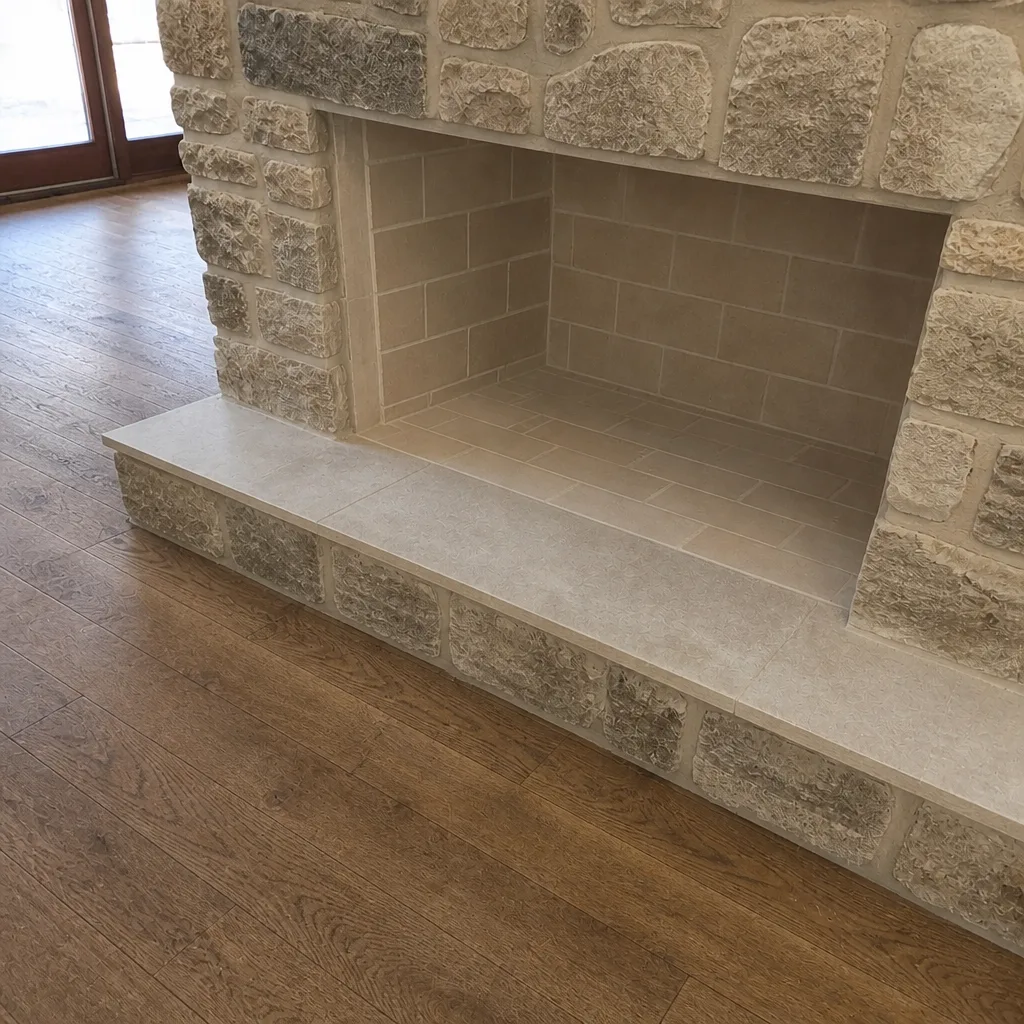
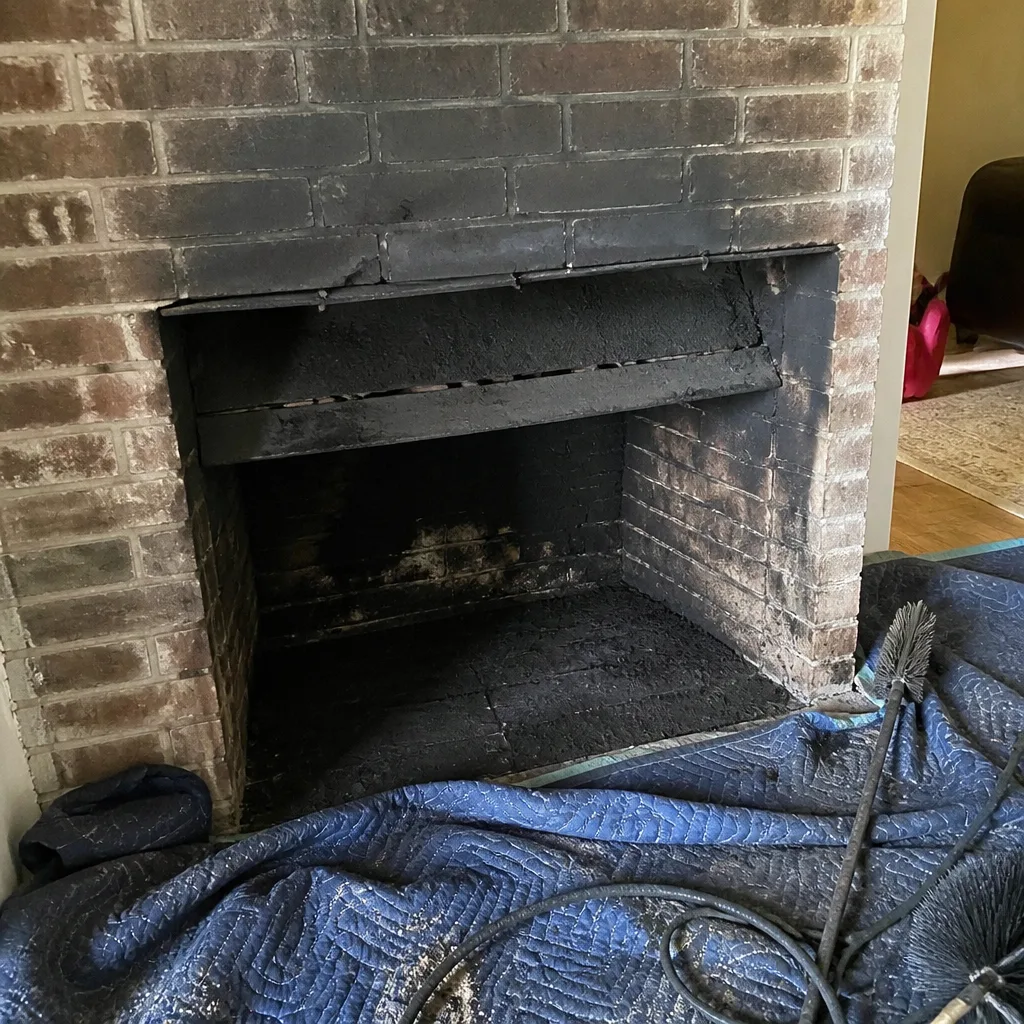
See the difference
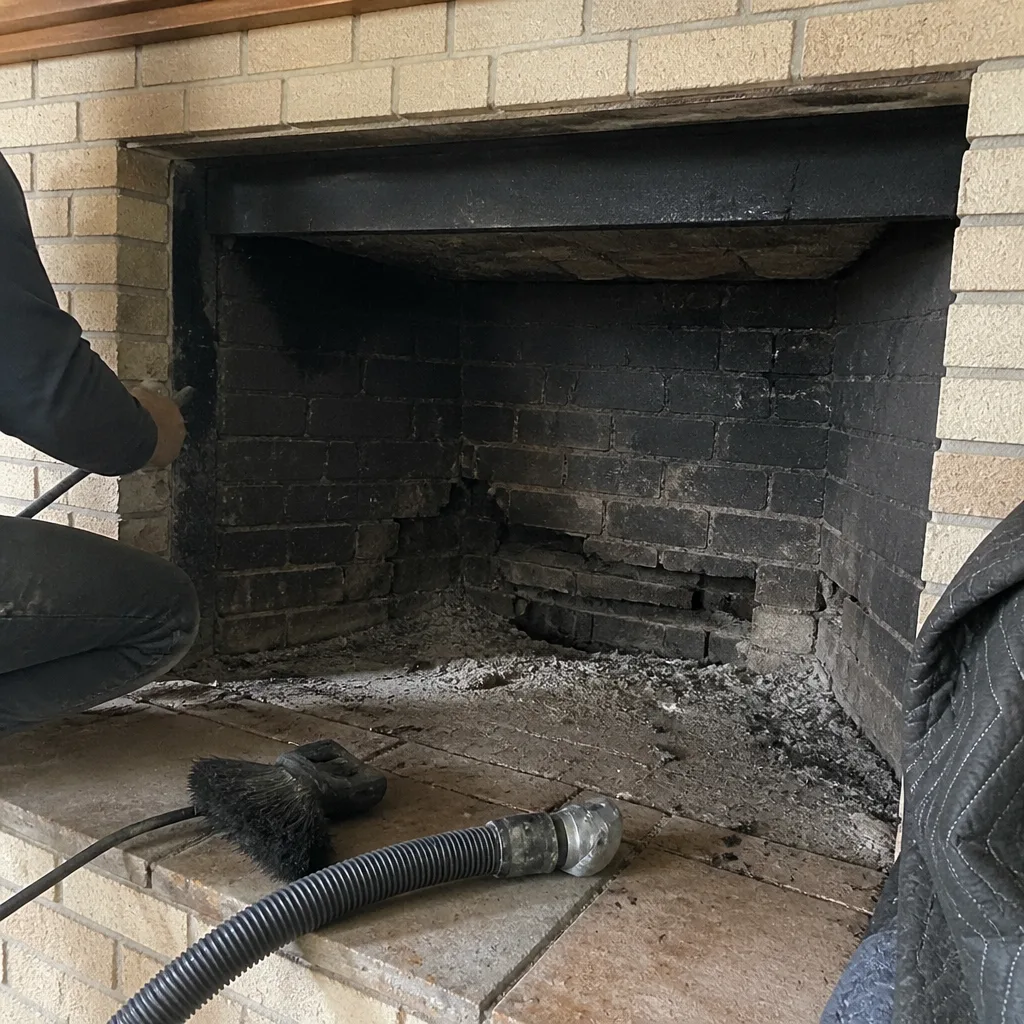 Before
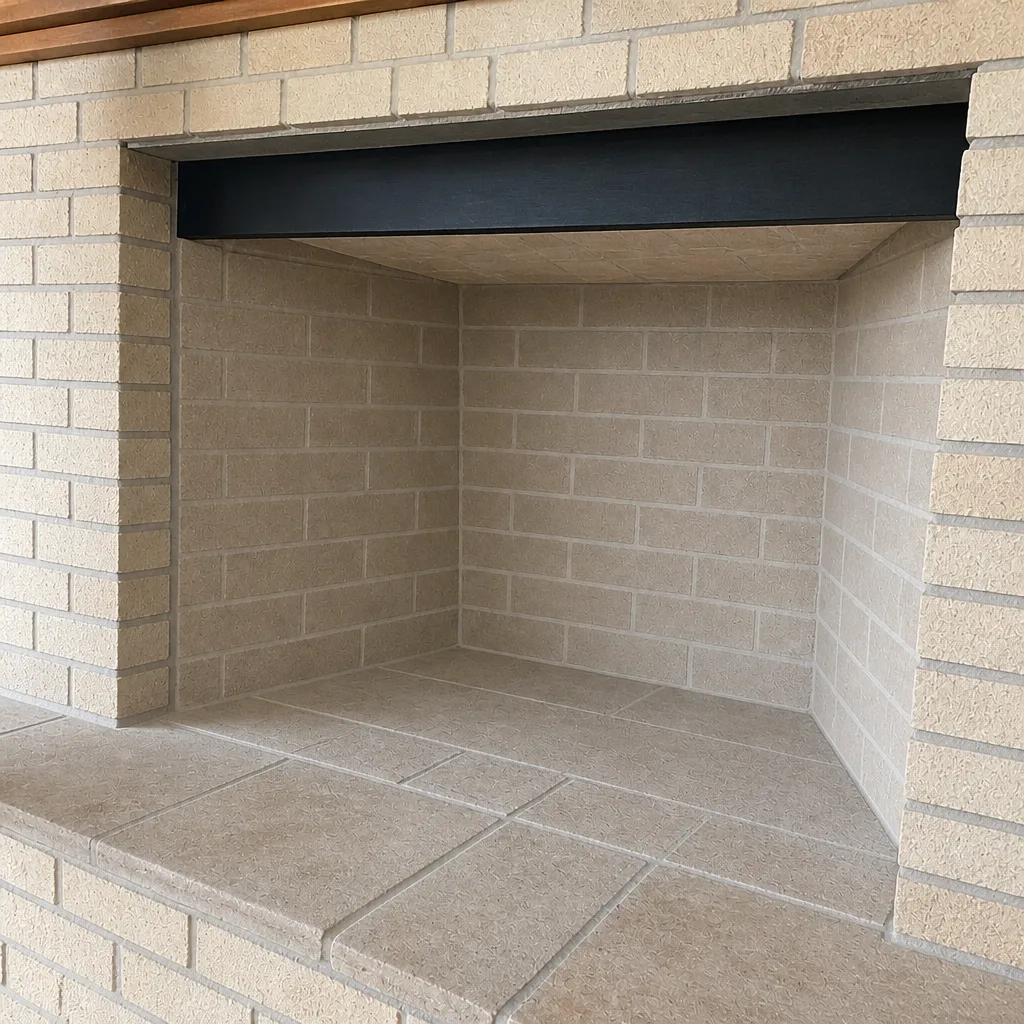 After
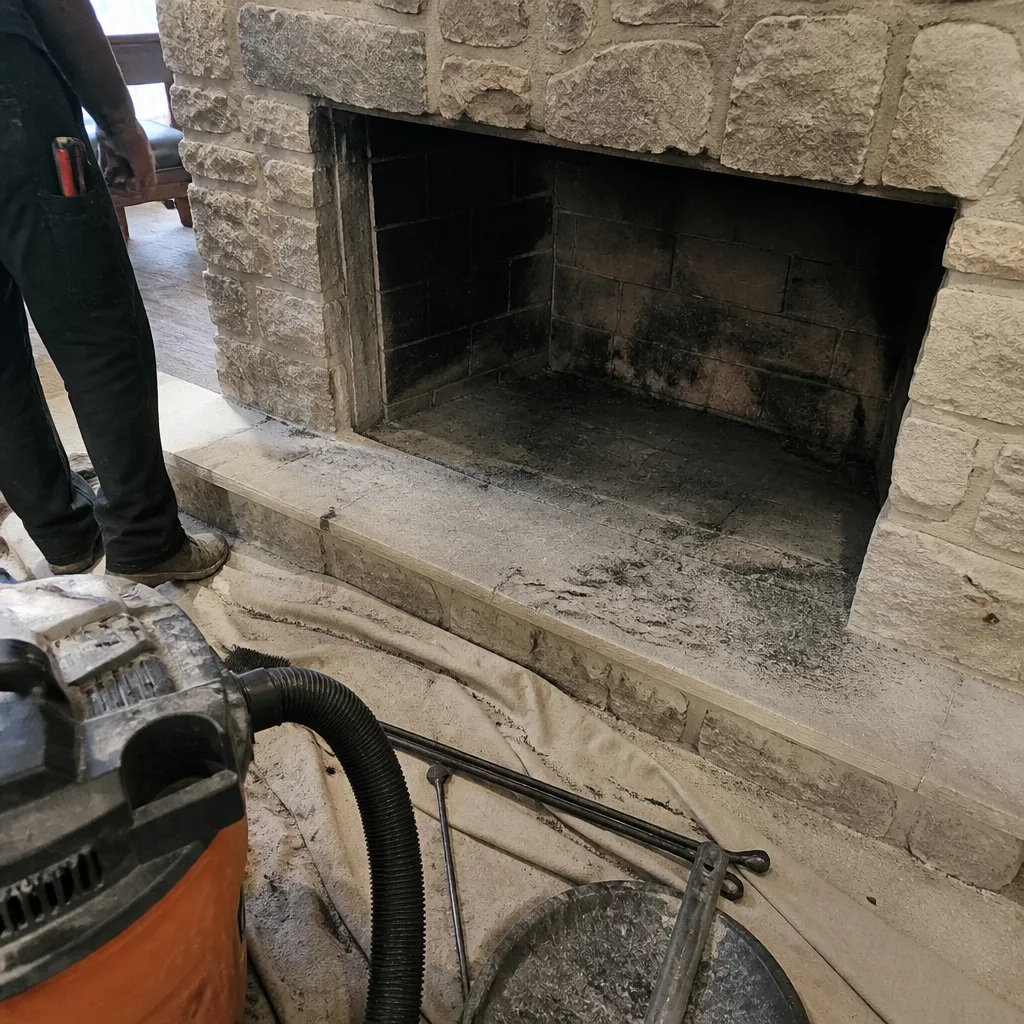 Before
 After
 Before
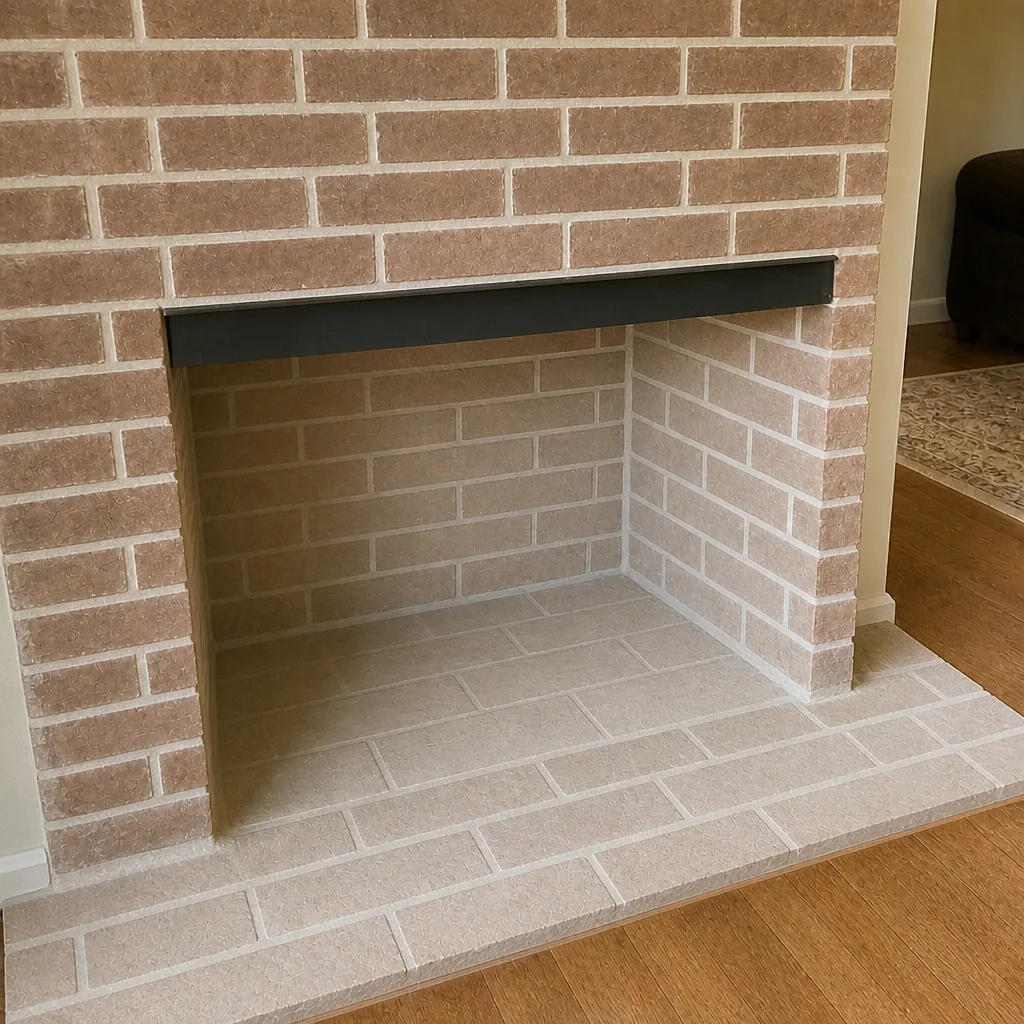 After
When to Call a Professional
Call for a chimney inspection if you smell anything when no fire is burning, if smoke rolls into the room more than occasionally, if you can see firebox cracks or a cracked crown, or if it’s been more than a year since the last sweep. Call sooner if the smell is sulfur or chemical and you have a gas appliance, if you hear animals in the flue, or if your smoke detector is triggering on a cold chimney. New Braunfels is a mild climate, which makes it easy to push the chimney to “next year.” But an ignored warning sign in spring is a failed component by fall.
Beacon Chimney Sweep offers free estimates in New Braunfels. Call (888) 401-6898. We answer 24/7. Fast dispatch from 7am to 7pm, Sunday through Friday.
Frequently Asked Questions
Smells when no fire is burning are the most common early warning sign, and they’re the one most often ignored. A musty odor often means water intrusion, a sulfur odor often means animals or a gas concern, and a campfire smell on a hot day points to draft failure. Call (888) 401-6898 for an exact quote if you’re smelling something and want an inspection booked.
No. If the chimney smells like smoke with no fire lit, the draft is failing, and a fire is likely to push smoke and combustion gases into the room instead of up the flue. Book an inspection before the next fire. Call (888) 401-6898 and we’ll get a sweep scheduled around what you’re describing.
Once a year if you burn fires, and once a year even if your fires are occasional. Creosote doesn’t thin out between seasons, and an inspection catches water damage and liner problems that a sweep alone won’t reveal. Spring is the least disruptive time to book, and estimates are free. Call (888) 401-6898.
A musty smell usually means moisture is getting into the flue or masonry, often from a cracked crown, an unprotected flue top, or an absorbed water problem in the brick itself. It’s rarely urgent, but it gets worse the longer it sits, and it can shorten a metal liner’s life. Call (888) 401-6898 if you’re smelling it, and we’ll get the right diagnostic ordered.
Yes, for the exterior parts. Crown cracks, missing caps, spalling brick faces, efflorescence, and vegetation are all visible from the ground and worth a photo. You can’t see the inside of the flue from the ground, though, so a camera inspection is still the only way to know if the liner is intact. Call (888) 401-6898 if you want one booked.
Yes. Even a handful of fires each season puts measurable creosote on the flue walls, and the deposits don’t dry up when you stop burning. The point of the annual sweep is to clear them before the next fire, not after the next chimney fire. Call (888) 401-6898, and estimates are free.
A sweep clears creosote and debris from the flue; an inspection finds what the sweep can’t see, like cracked flue tiles, smoke chamber gaps, or water intrusion. A good chimney service does both in the same visit, so you’re not paying twice or being told to come back. Beacon Chimney Sweep runs chimney sweeping, chimney inspection, and chimney repair as one service, so nothing found in the inspection goes unfixed.
The Bottom Line
The most useful thing this guide can give you is a vocabulary. Once you know that a musty smell is a water signal, that a glossy black flue is a fire risk, that a smoke stripe across the firebox opening is a draft symptom, and that a missing cap is a first-order problem, you can walk around your chimney once a season and know whether to call. And that’s really the whole thesis: the dangerous conditions that surprise homeowners are the ones they walked past for years because nobody named them. No fire, no smell, no smoke rollout is normal if it’s new. When in doubt, the Beacon Chimney Sweep team is the right call. Chimney work is a fire and carbon monoxide topic, and it deserves a trained professional, not a guess.
We’re ready to help. Call (888) 401-6898 for a free estimate. We answer 24/7. Fast dispatch from 7am to 7pm, Sunday through Friday.
Written by the team at Beacon Chimney Sweep.