
Last updated November 15, 2026
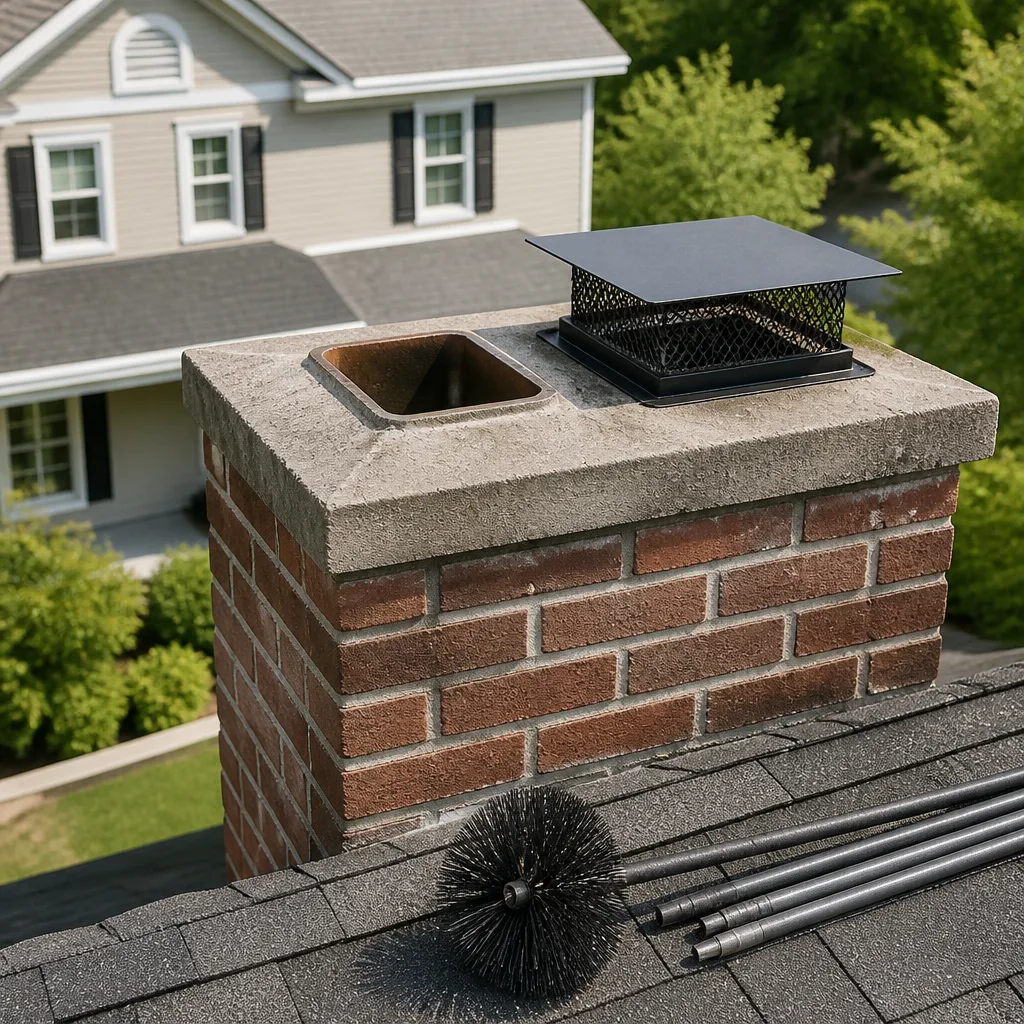 Sweep & inspection
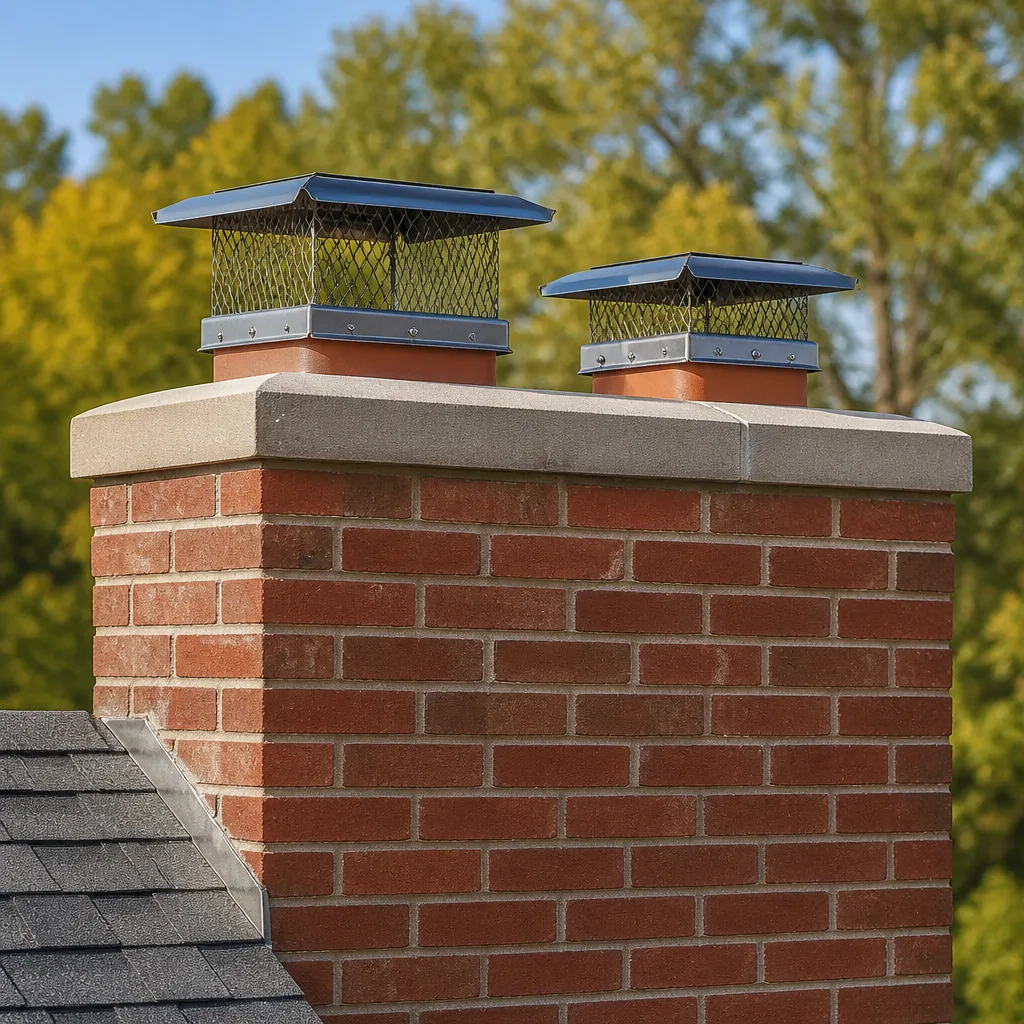 Caps & crowns
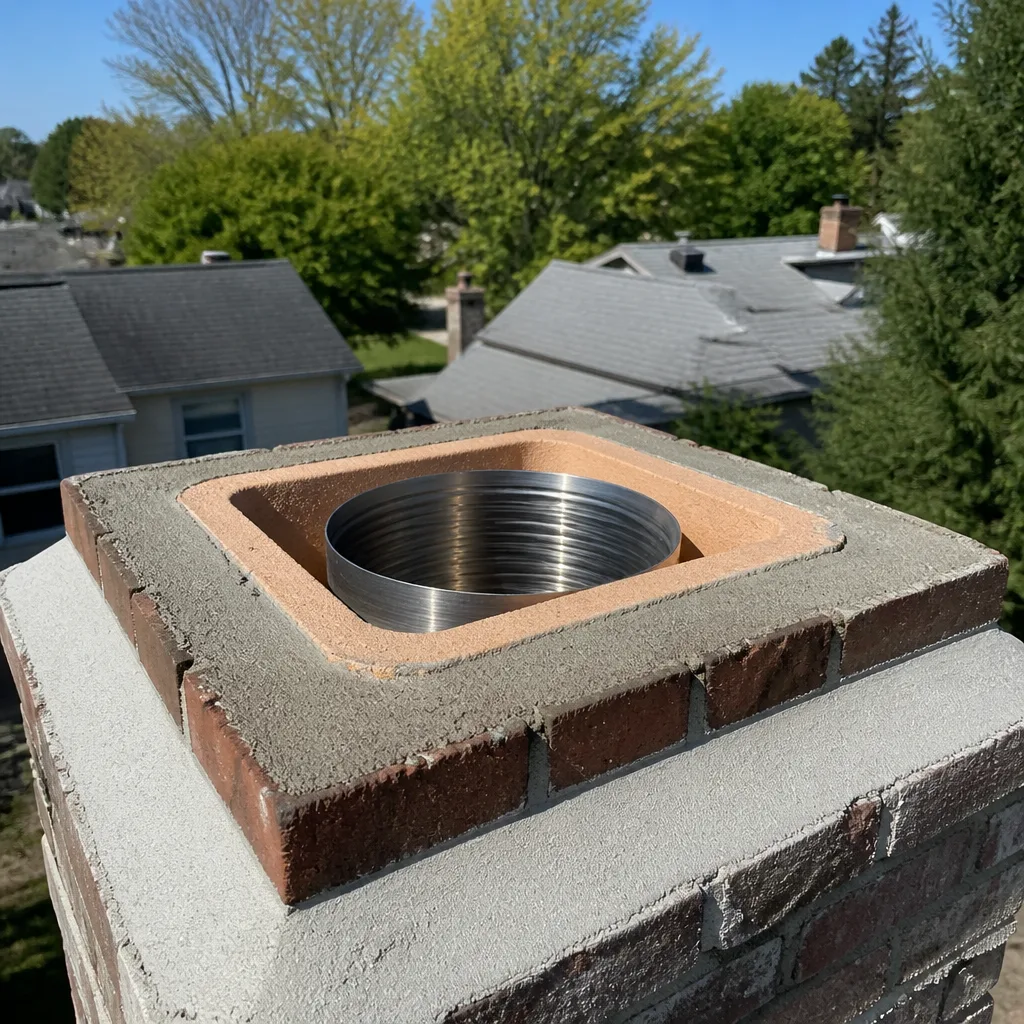 Flue relining
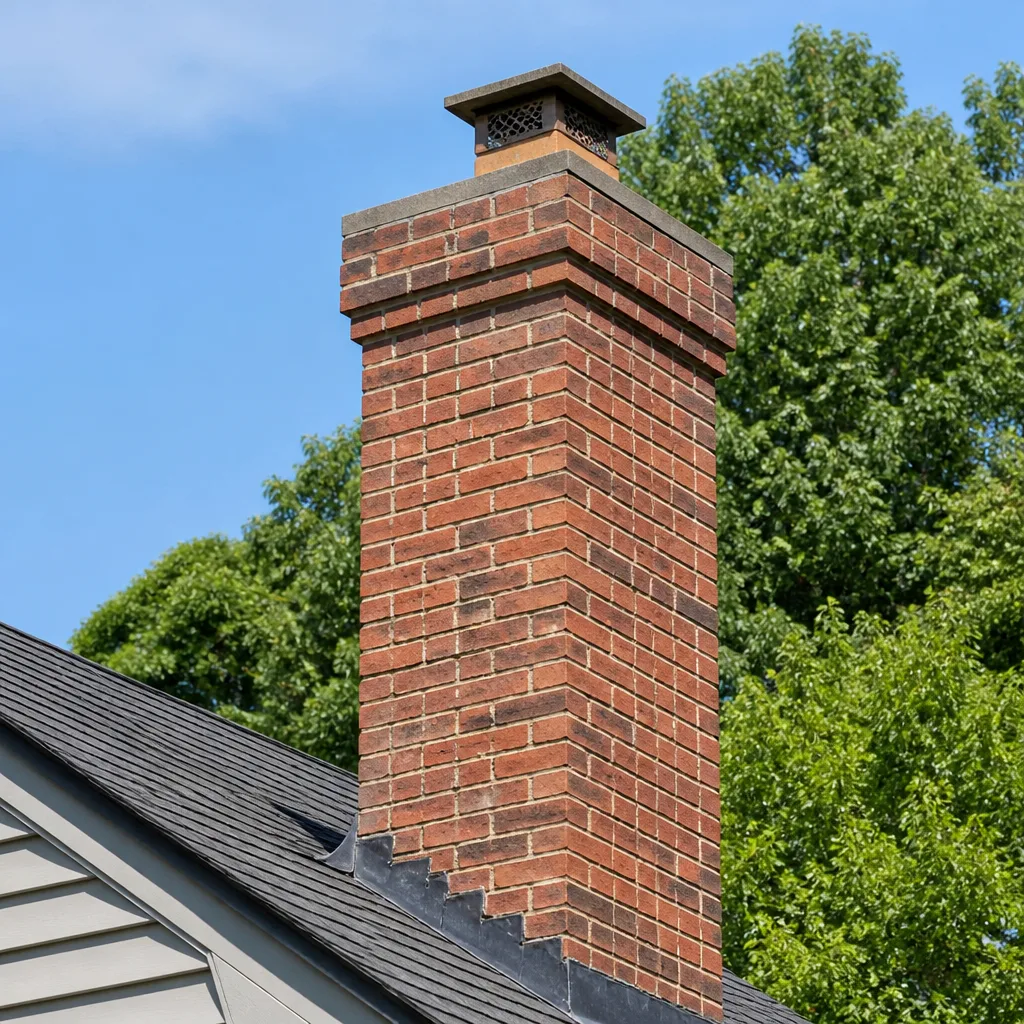 Masonry repair
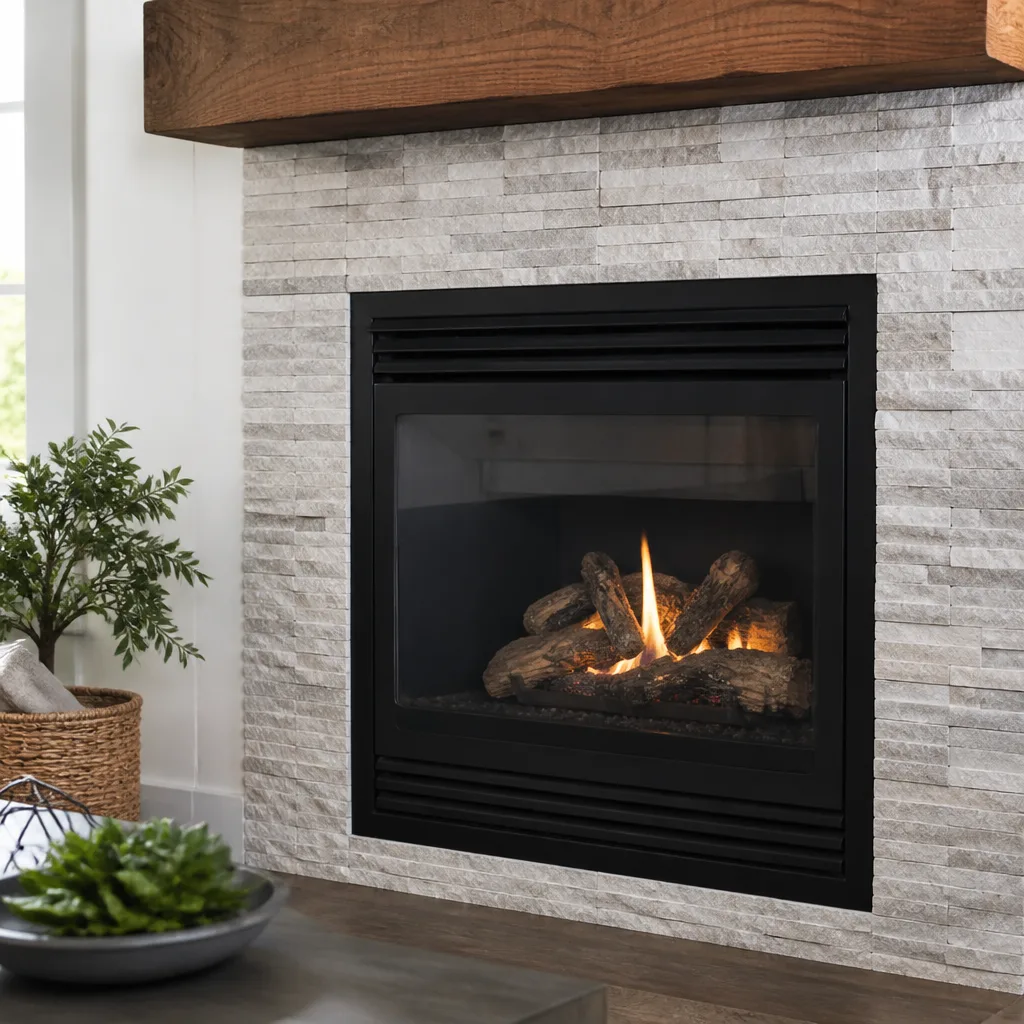 Gas fireplace service
Level 1 sweep and inspection to the NFPA 211 annual standard - flue, crown, cap, and flashing checked and photographed
Chimney sweep logs do not sweep chimneys. They loosen some creosote - which then falls where a brush and vacuum still have to collect it.
DIY vs Professional Chimney Cleaning: The New Braunfels Homeowner’s Decision Guide
A brush kit costs less than a dinner out, and YouTube will show you exactly how to run it up a flue. So why does anyone in New Braunfels pay a professional? Because cleaning and understanding are two different jobs. A homeowner can scrub visible soot off the firebox walls and still leave glazed creosote clinging to the upper flue, a fuel-rich deposit no brush will touch. It sits there, invisible, waiting for the next hot fire. This guide draws a clear line between what DIY handles well and where amateur cleaning creates a false sense of safety. You’ll learn what a brush physically removes, what an inspection camera finds that a flashlight never will, what the real cost comparison looks like, and the exact situations where a professional sweep earns its keep. We’ll keep it practical, not preachy. Some of you will be fine with an interim brush pass. Others need eyes on the flue that only a trained technician brings.
Quick Answer
DIY brush cleaning can manage light, first-stage soot and ash in a chimney that’s swept regularly, but it cannot remove glazed second- or third-stage creosote, and it gives you no way to see liner cracks, blockages, or hidden damage. For most New Braunfels homes burning wood through a season, a professional sweep with camera inspection is the safer choice because it cleans the whole flue and tells you what condition it’s actually in. A reasonable middle ground: DIY between professional sweeps if deposits are light and you’ve had the flue inspected first.
Styles & brands we work with
- Sweep & inspection
- Caps & crowns
- Flue relining
- Masonry repair
- Gas fireplace service
Table of Contents
- What DIY Brush Cleaning Actually Removes
- The Three Stages of Creosote and Why They Matter
- The Equipment Gap: What a Camera Sees That a Flashlight Doesn’t
- The Real Cost Comparison: DIY vs Professional in New Braunfels
- When DIY Is a Reasonable Interim Measure
- When DIY Creates Genuine Fire Risk
- What a Professional Sees After a DIY Cleaning
- Common Mistakes to Avoid
- When to Call a Professional
- Frequently Asked Questions
What DIY Brush Cleaning Actually Removes
A chimney brush is a surprisingly effective tool for one specific job: knocking loose, dry soot and ash off the walls of a flue it can reach. If your chimney has been swept regularly, the deposits are light and powdery, and a stiff poly brush on a flexible rod will pull most of it down into the firebox. That’s real cleaning, and we won’t pretend otherwise. The brush does what a broom does to a floor.
What the brush does not do is finish the job on a flue that’s been neglected or burned wet wood. Here’s the practical breakdown of what a homeowner-run brush pass typically handles and what it leaves behind:
- Removes: loose soot, ash, light powder deposits, cobwebs, and debris that has dropped into the smoke chamber.
- Removes: surface dust on the firebox walls and damper area if you’re thorough.
- Does not remove: glazed creosote bonded to the flue walls, which is hard, shiny, and often baked into the upper third of the flue where your brush has the least control.
- Does not remove: tar-like deposits from unseasoned wood or a smoldering fire habit.
- Does not reveal: cracks in a clay tile or liner, gaps at joints, or an obstruction like a bird nest above the smoke shelf.
That last point is where the DIY conversation usually goes wrong. Cleaning is visible work. Diagnosis isn’t. A brush tells you nothing about the flue’s condition, and in New Braunfels, where many homes rely on a chimney for supplemental heat through the cooler months, condition is the part that matters most. A clean-looking flue can still be a dangerous one.
The Three Stages of Creosote and Why They Matter
Creosote is the residue left behind when wood smoke cools on its way up the flue. It forms in stages, and the stage determines whether a brush can save you or whether you need a technician with the right tools. Most homeowners have never heard of these stages, which is exactly why the DIY decision gets made on incomplete information.
- First-stage creosote is light, flaky, and soot-like. It brushes off easily. This is what regular annual cleaning keeps in check, and it’s the only stage a homeowner-run brush reliably handles.
- Second-stage creosote is denser, darker, and often crusty or flaky in patches. It clings harder and may need a rotating brush or chemical treatment to break down. A standard hand brush skips over it in spots and leaves it in others.
- Third-stage creosote is glazed, hard, and shiny, resembling tar or glass. It’s the most flammable form and can ignite at a much lower temperature than the deposits around it. No brush will remove it. It requires professional removal before the chimney is safe to use again.
Here’s the uncomfortable truth that drives this entire guide: a homeowner can clean a chimney, look up the flue with a flashlight, see a seemingly clean surface, and never know that third-stage glazing is coating the upper walls out of the flashlight’s reach. In our experience, this is the most common reason a “freshly cleaned” chimney still has a fire risk. A brush pass cleans the part you can reach. It says nothing about the part you can’t. The deposits that cause chimney fires tend to form where the flue is coolest and least accessible, and that’s exactly where a hand brush does the least work.
The Equipment Gap: What a Camera Sees That a Flashlight Doesn’t
The single biggest difference between a DIY cleaning and a professional one isn’t the brush. It’s the camera. A technician runs a video inspection camera down the flue and sees the entire interior surface on a screen, top to bottom, including the offset, the smoke chamber, and the transition to the liner. A homeowner with a flashlight sees the first few feet and guesses at the rest. That gap is where problems hide.
An inspection camera reveals things no brush pass or flashlight check will ever surface:
- Cracks and spalling in clay tile liners, often on the far side of the flue where a flashlight beam never lands.
- Gaps between tile sections that let heat reach framing or masonry.
- Deteriorated mortar joints in the smoke chamber, a common failure point.
- Obstructions: bird or squirrel nests, leaves, or a collapsed tile chunk sitting above the damper.
- Creosote glazing on the upper flue walls.
- Improper liner connections at appliances or inserts.
When we find a cracked or deteriorated flue in New Braunfels, it’s rarely a surprise to the homeowner once they see the footage. The surprise is that it was there the whole time. This is the foundation of our approach: nothing is recommended without camera evidence you can see for yourself. If the liner is sound, we tell you. If it’s not, we show you the frame, explain what it means, and tell you plainly whether it can safely wait or needs attention before the next fire. When a repair is needed, systems like HeatShield resurfacing or a DuraFlex flexible liner are the professional-grade materials we’ll talk through, and the diagnosis and the fix come from the same team. That matters because a problem found is a problem we can actually solve, from the firebox to the crown cap.
The Real Cost Comparison: DIY vs Professional in New Braunfels
The honest cost comparison isn’t brush kit versus sweep. It’s the total cost of doing it yourself, including the equipment you’ll only use once a year, the time, the mess, and the risk of what you don’t catch. Here’s how the two paths break down for a typical New Braunfels home:
- DIY upfront: A brush kit with rods, a shop vac rated for fine ash, drop cloths, and safety gear. Most of it is a one-time buy, but the vacuum and brush set add up fast, and cheap brushes fray and leave bristles in the flue.
- DIY recurring: An hour or two of your time per cleaning, plus cleanup of soot that finds its way onto floors, furniture, and walls. Add the disposal of what you bag out of the firebox.
- Professional sweep: A flat price agreed before booking, which typically includes cleaning, a camera inspection, and a photo report you keep. The estimate is free and the written estimate sets the final price for any repair.
- Hidden cost of DIY: A missed liner crack or blockage is the expensive variable. It doesn’t show up on the brush-kit receipt, but it’s the reason the comparison isn’t really about money.
For most households, the professional sweep costs less than a single dinner out per season and comes with a diagnostic report that has no DIY equivalent. That report is the product, not just the cleaning. When we work through a chimney in New Braunfels, the camera inspection and photo record are part of the sweep, not an add-on, so you’re paying for eyes on the flue as much as for the brush. Call chimney sweep service any time you want that certainty, or run the numbers yourself and see where the value lands for your home.
When DIY Is a Reasonable Interim Measure
DIY has a legitimate lane, and it’s narrower than most articles admit. If the flue has been professionally inspected within the last year, the deposits are visibly light and powdery, and you’re just knocking off first-stage soot between scheduled sweeps, a brush pass is fine. It’s interim housekeeping, not diagnosis.
DIY is a reasonable interim step when all of these are true:
- You’ve had a professional camera inspection of the full flue within the past year, and it came back clear.
- You burn dry, seasoned firewood and keep fires hot and efficient, which keeps creosote light.
- The deposits you can see are flaky soot, not shiny, hard, or tar-like.
- You use a proper chimney brush sized to the flue, not a wire brush that can score clay tile.
- You protect the room with drop cloths and use a vacuum rated for fine ash.
- You know your limits and stop if anything looks unusual up the flue.
If any of those fail, DIY moves from housekeeping into guesswork. In New Braunfels, plenty of homes sit with a clay tile flue and a wood-burning insert, and the insert’s flue often needs a sweep the homeowner can’t reach with a standard hand brush. A reasonable rule: DIY handles the soot, and a professional handles the truth about the flue. If you’ve never had the flue inspected or you can’t remember the last time someone looked, book the inspection first and treat brush passes as maintenance afterward. That order matters more than the tool you buy.
When DIY Creates Genuine Fire Risk
DIY crosses from reasonable to risky the moment the cleaning happens without an inspection, or on a flue that’s overdue. The risk isn’t the act of brushing. It’s the false confidence that comes after. A homeowner cleans what they can see, decides the chimney is fine, and lights a fire in a flue that still has glazed creosote or a hidden liner crack. That’s the scenario that turns a maintenance chore into a hazard.
Chimney fires happen when creosote ignites, and the glazed stages ignite at lower temperatures than the light soot a brush removes. Carbon monoxide is the other risk: a blocked or cracked flue can let combustion gases back into the home instead of up and out. Neither risk announces itself. A flue can look clean at the firebox and be dangerous at the top. That’s why we treat the camera inspection as non-negotiable for any chimney that’s been more than a year without a look, and why we never clear a flue for use on the basis of a brush pass alone. This is also why the work belongs with a trained professional who handles chimneys exclusively: the danger is real, it’s quiet, and it’s exactly what a camera catches and a brush misses. If you’re unsure where your flue stands, that’s the moment to get eyes on it, not the moment to buy a bigger brush.
What a Professional Sees After a DIY Cleaning
When a technician inspects a chimney a homeowner cleaned themselves, there’s a pattern to what turns up. The firebox looks great. The lower flue is passable. The upper flue and smoke chamber tell the real story. Knowing what a pro looks for helps you understand why the two jobs aren’t interchangeable.
What a professional typically notices after a DIY cleaning:
- Glazing above the brush’s reach: shiny, hard creosote on the upper flue walls that no hand brush removed, often the single biggest finding.
- Uneven cleaning: heavy deposits on one side of the flue and clean surface on the other, a sign the brush didn’t track the full circumference.
- Debris left in the smoke chamber: soot that fell and collected at the smoke shelf, out of sight and out of the firebox.
- Cracked or spalled tile: damage the homeowner never saw because a flashlight doesn’t reach the far wall.
- Improper brush use: scored clay tile or leftover bristles from a brush that was too stiff or too cheap.
What that means for liability is straightforward: once a technician documents the condition with photos, the record reflects what was actually there, not what the homeowner assumed. If a liner crack or glazed flue shows up, the camera footage and photo report make it clear the issue predates the inspection, and it makes the recommendation easy to act on. Nothing is recommended without evidence you can see, and if something can safely wait, we say so. That’s the standard we hold, whether the job comes to Beacon Chimney Sweep or anywhere else. The point isn’t to make DIY look bad. It’s to give you a real diagnosis instead of a hopeful guess.
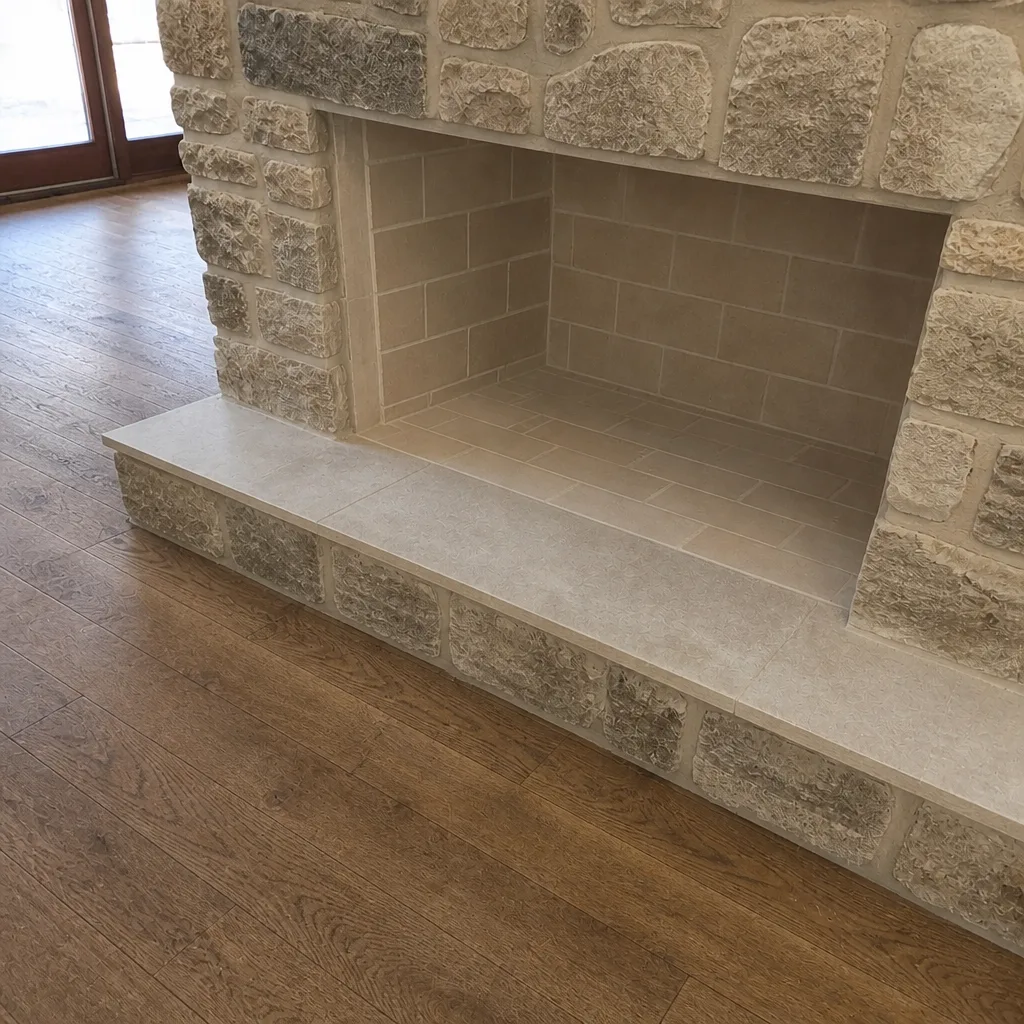
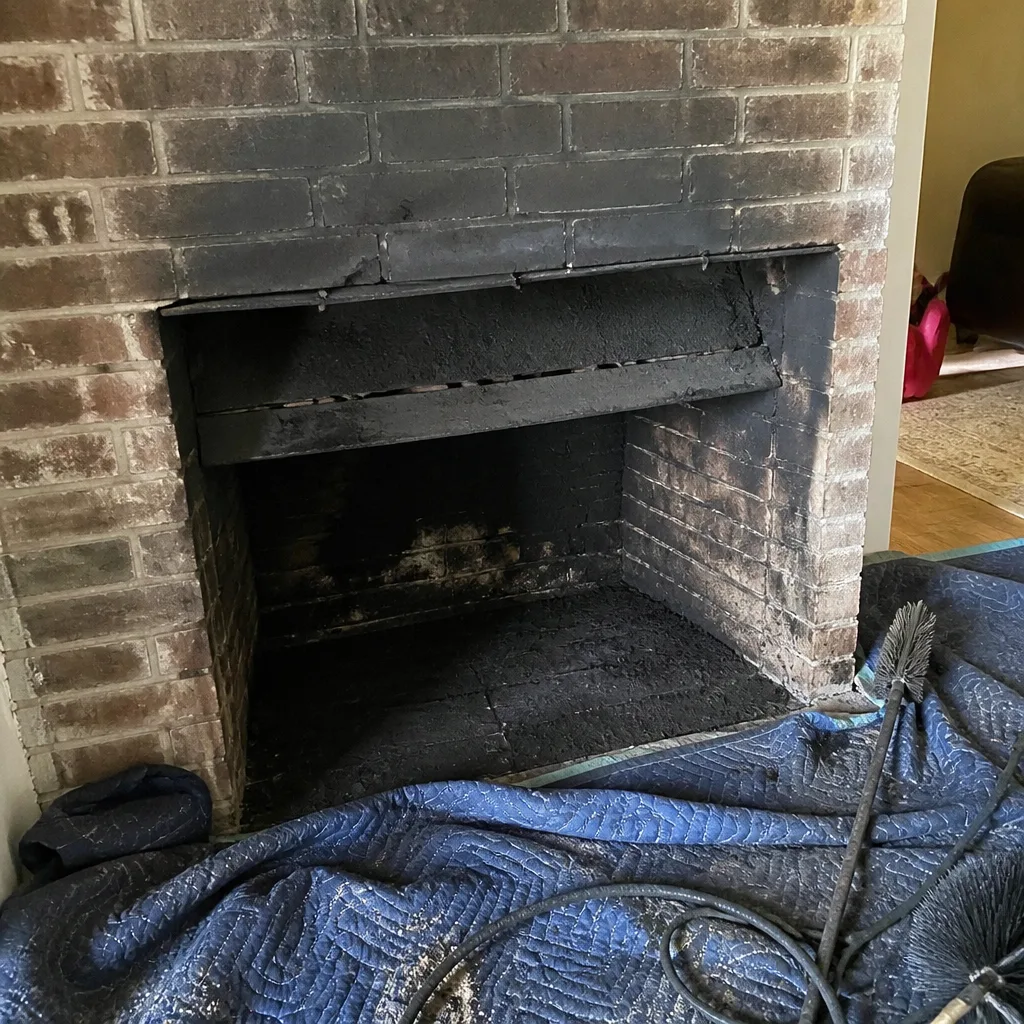
See the difference
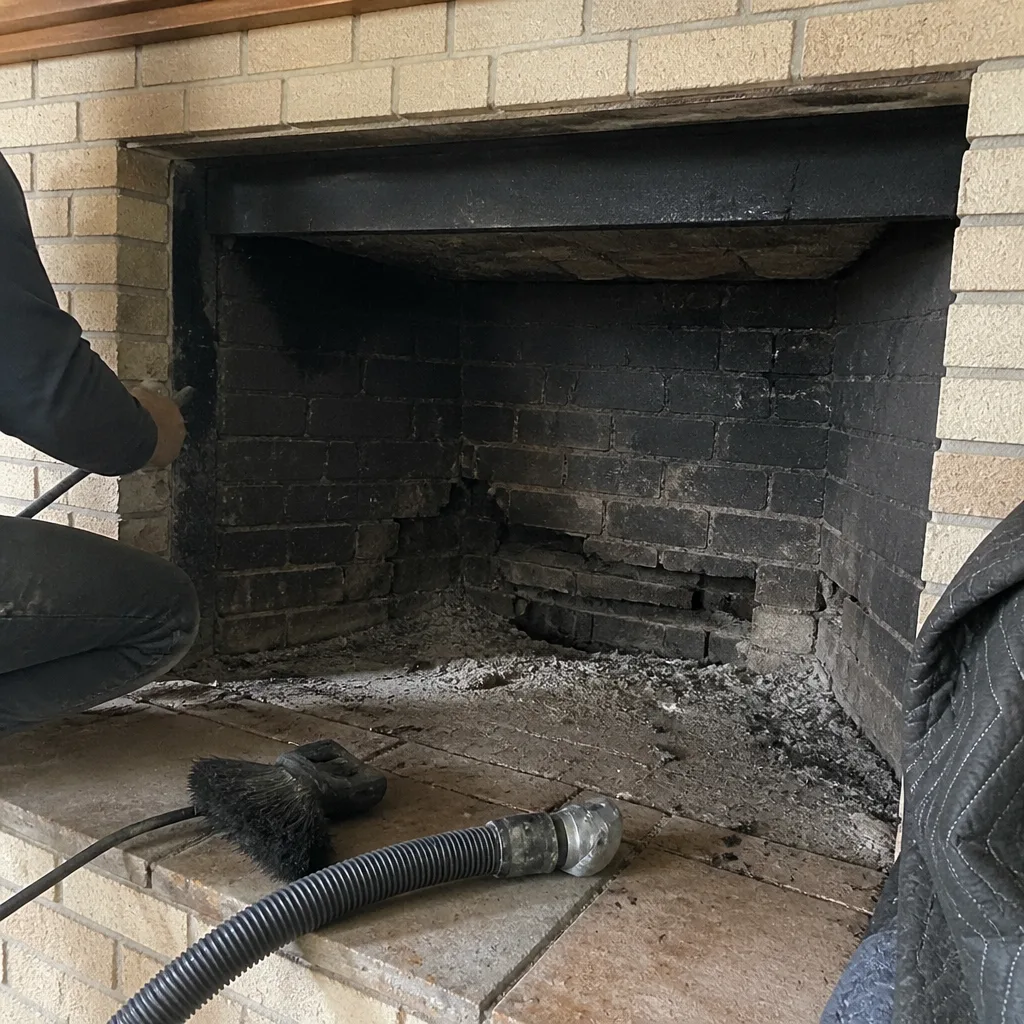 Before
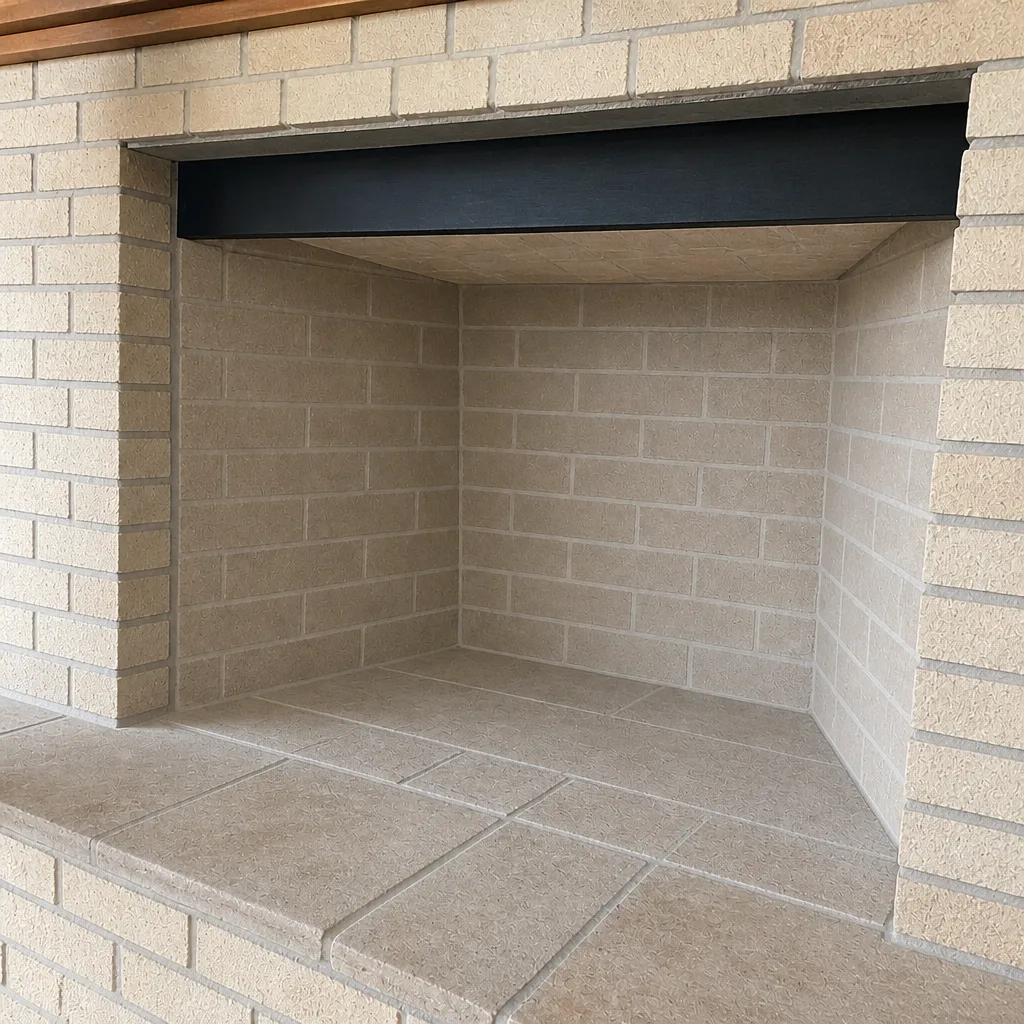 After
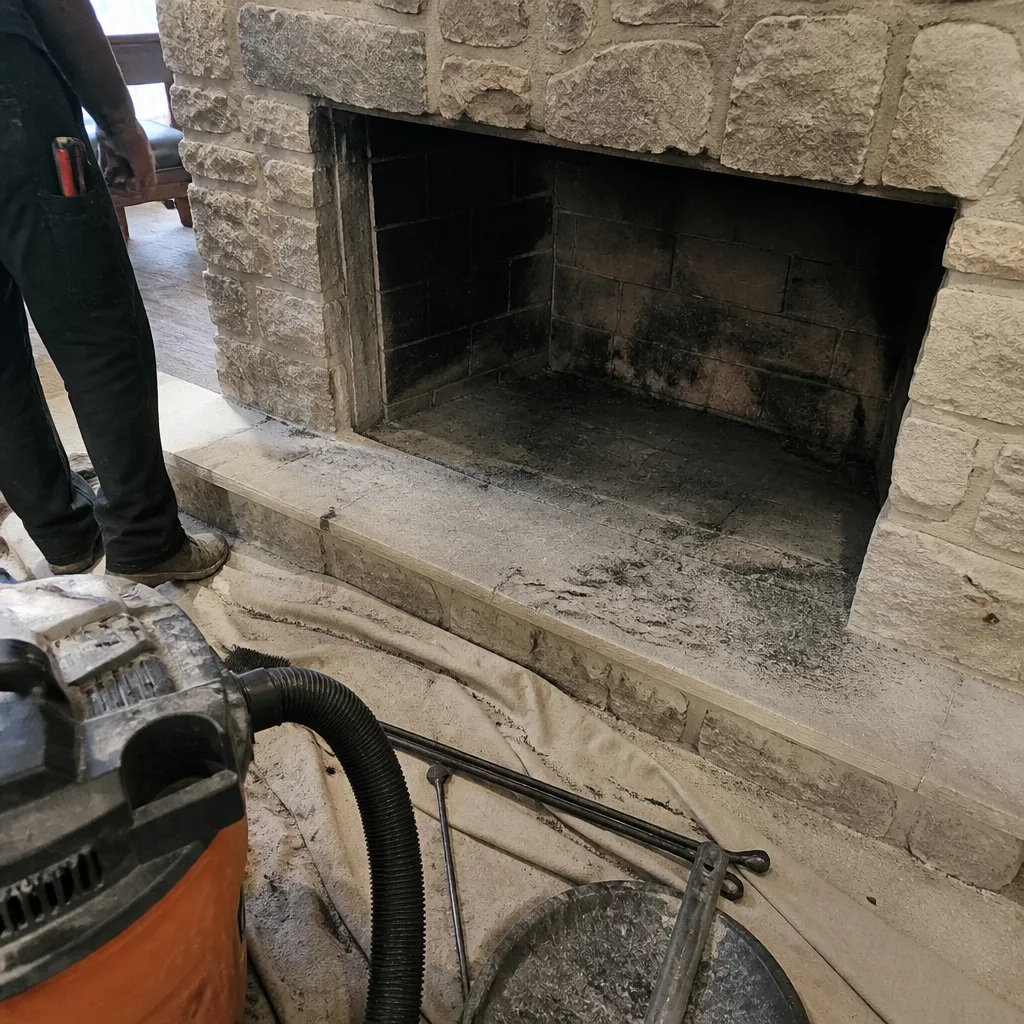 Before
 After
 Before
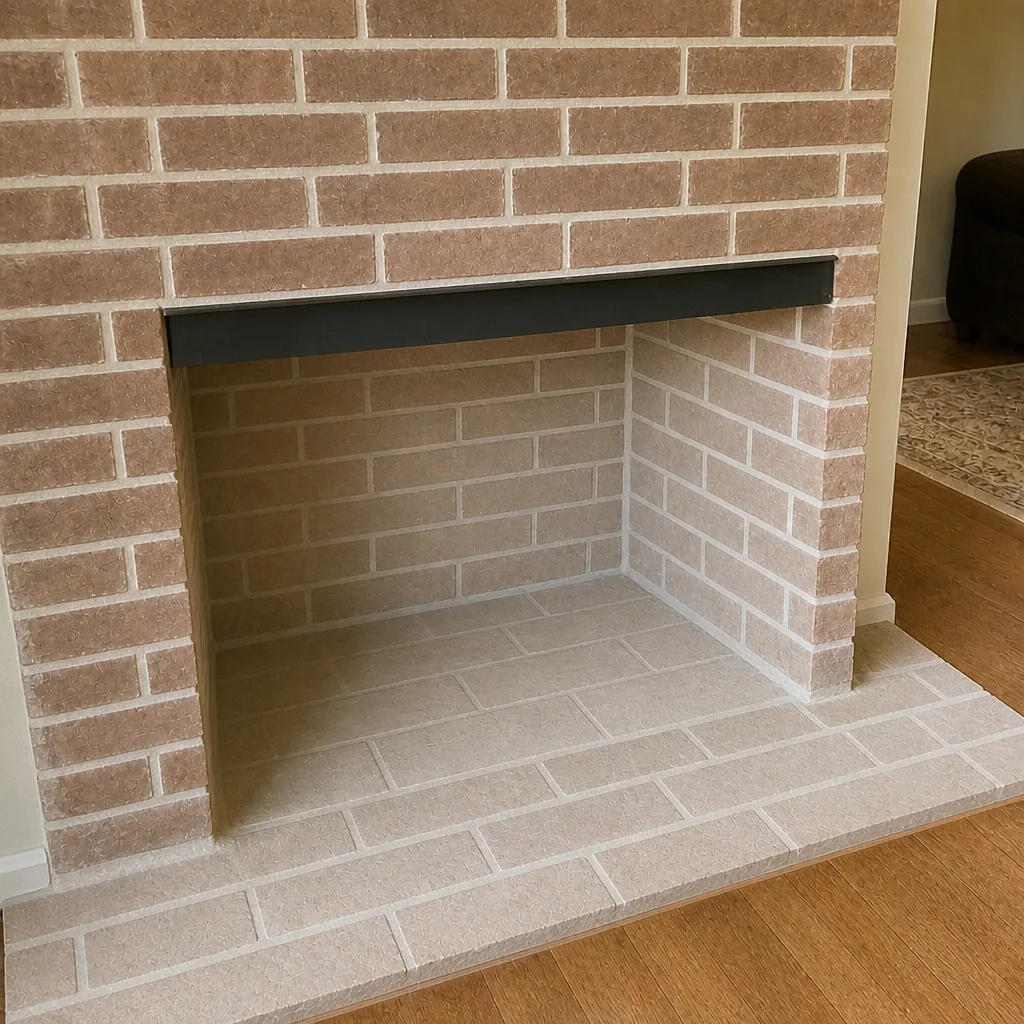 After
Common Mistakes to Avoid
- Skipping the inspection and calling it clean. A brush pass without a camera inspection tells you nothing about liner condition. In a New Braunfels home with an older clay tile flue, that’s the check that matters most.
- Assuming a clean firebox means a safe chimney. The firebox is the easiest part to clean and the least telling about fire risk. The upper flue and smoke chamber are where problems concentrate.
- Burning unseasoned or wet wood. Damp wood burns cooler and smolders, which is what produces the glazed creosote a brush can’t remove. Seasoned firewood is the cheapest safety upgrade there is.
- Using a wire brush on clay tile. A stiff wire brush can score and damage the tile surface, giving creosote a rougher place to grab onto. Match the brush to your flue material.
- Cleaning during a hot, dry stretch and leaving ash in the firebox. Bag it out and dispose of it well away from anything combustible. Ash can hold heat longer than people expect.
- Ignoring a change in draft or smell. A smoky fire, a draft that’s gotten weaker, or a stronger odor in the room are signals to stop guessing and get the flue looked at.
- Letting one DIY “good enough” pass replace the annual check. A brush in the fall doesn’t stand in for a yearly inspection, especially in a home that relies on the fireplace for real heat.
When to Call a Professional
Call a professional when you don’t know the condition of your flue, when it’s been more than a year since anyone looked, or when you see or smell anything unusual up the chimney. Call when you burn wood heavily through the season and want the glazed deposits handled properly. Call if you’re running a wood-burning insert, since reaching the flue above it takes tools most homeowners don’t own. And call if a repair is ever on the table, because the diagnosis and the fix should come from the same team, not two separate contractors guessing at each other’s work.
Beacon Chimney Sweep offers free estimates in New Braunfels. Call (888) 401-6898. We answer 24/7. Fast dispatch from 7am to 7pm, Sunday through Friday, closed Saturday. Our technicians have up to 12 years of experience, and we handle cleaning, inspection, and repair as one service so you’re not chasing a second contractor to finish the job.
Frequently Asked Questions
A chimney used regularly for wood should be swept and inspected at least once a year, and more often if you burn heavily or notice glazed deposits. The annual check catches creosote buildup and liner condition before either becomes a problem. For an exact recommendation on your flue, call (888) 401-6898; estimates are free.
You can clean light, first-stage soot yourself if the flue has been professionally inspected recently and is in good condition, but you cannot reliably remove glazed creosote or see liner damage on your own. Most New Braunfels homes burn enough wood to warrant a professional sweep with a camera inspection. Call (888) 401-6898 to schedule one.
Skipping the sweep lets creosote build up in stages, and the glazed stages ignite at much lower temperatures, which raises the risk of a chimney fire. It also lets small liner cracks or blockages go unnoticed, which can let carbon monoxide back into the home. Neither risk is visible from the firebox. Call (888) 401-6898 for an inspection before the next burn season.
Cleaning alone is not enough, because a brush removes deposits without telling you anything about the flue’s condition. A camera inspection shows cracks, gaps, blockages, and glazing that no brush pass or flashlight check can find. We include the camera inspection and a photo report with the sweep so you can see what we see. Call (888) 401-6898; estimates are free.
New Braunfels winters are mild, but cool evenings and a long burn season still mean creosote builds up steadily in homes that use the fireplace for real heat. Mild weather can also tempt homeowners to burn damp wood or run smoldering fires, which produces more glazed creosote than a hot, efficient fire. A fall sweep and inspection keeps the flue ready for the season. Call (888) 401-6898 to get on the schedule.
Glazed creosote on the upper flue walls is the most common finding, because it’s exactly what a hand brush can’t reach or remove. Cracked or spalled liner tile is the second most common, since a flashlight beam rarely reaches the far wall of the flue. Both show up on camera and neither is visible from the firebox. Call (888) 401-6898 for a camera inspection; estimates are free.
The Bottom Line
The DIY question isn’t really about whether you can push a brush up a flue. You probably can. It’s about whether you can see what you’re cleaning and understand what you’ve left behind, and that’s where a brush alone falls short. DIY handles light soot well and gives you no diagnosis at all. A professional sweep cleans the whole flue and hands you a camera report you can read for yourself, with no recommendation that isn’t backed by footage. In New Braunfels, where the burn season runs long, that certainty is worth more than the brush savings. Inspect, sweep, repair. If you’re ready to see where your chimney actually stands, chimney repair and inspection are a call away. Call (888) 401-6898 for a free estimate. We answer 24/7. Fast dispatch from 7am to 7pm, Sunday through Friday, closed Saturday.
Homeowners across New Braunfels can get a clear answer on their flue this season: our technicians have up to 12 years of experience, we work with professional-grade materials including HeatShield, DuraFlex, Gelco, and Copperfield, and every job comes down to what the camera shows. Call (888) 401-6898 to book your sweep.
Written by the team at Beacon Chimney Sweep.