
Last updated November 15, 2026
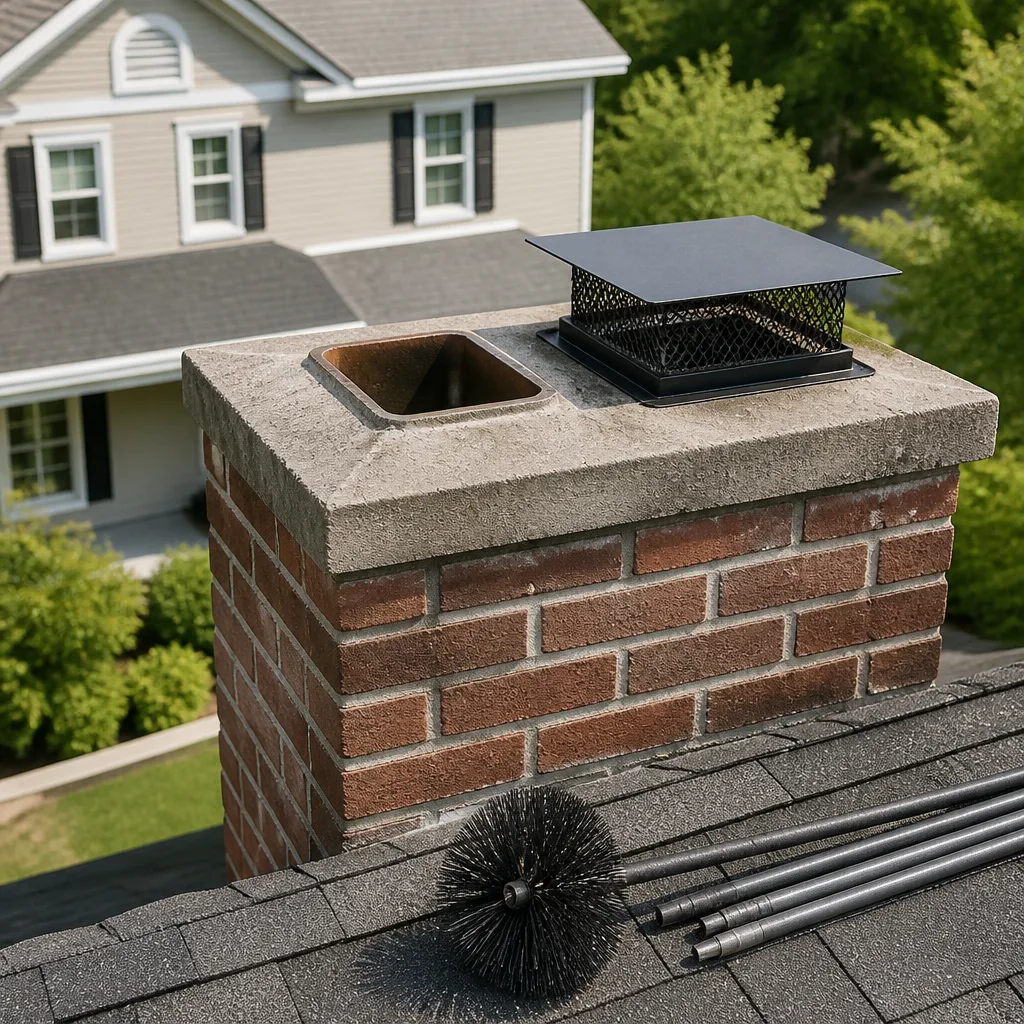 Sweep & inspection
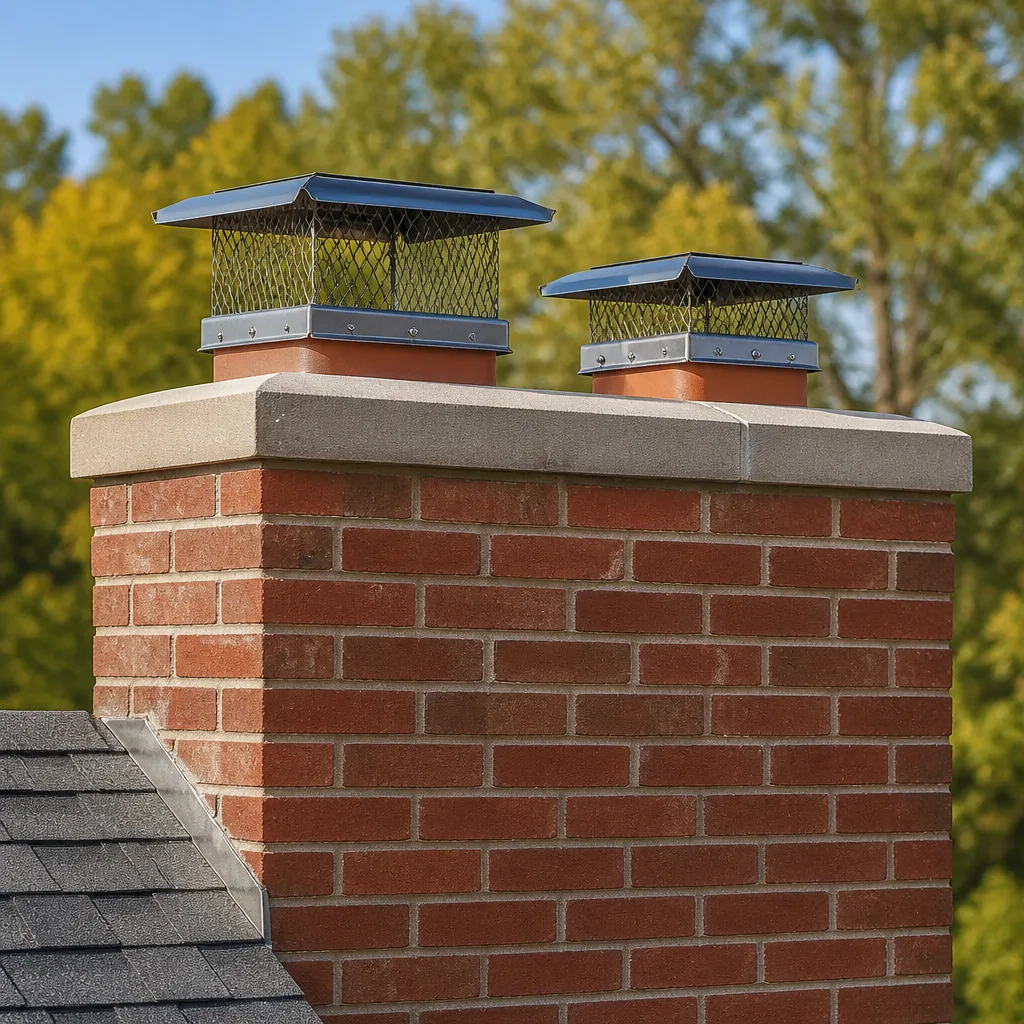 Caps & crowns
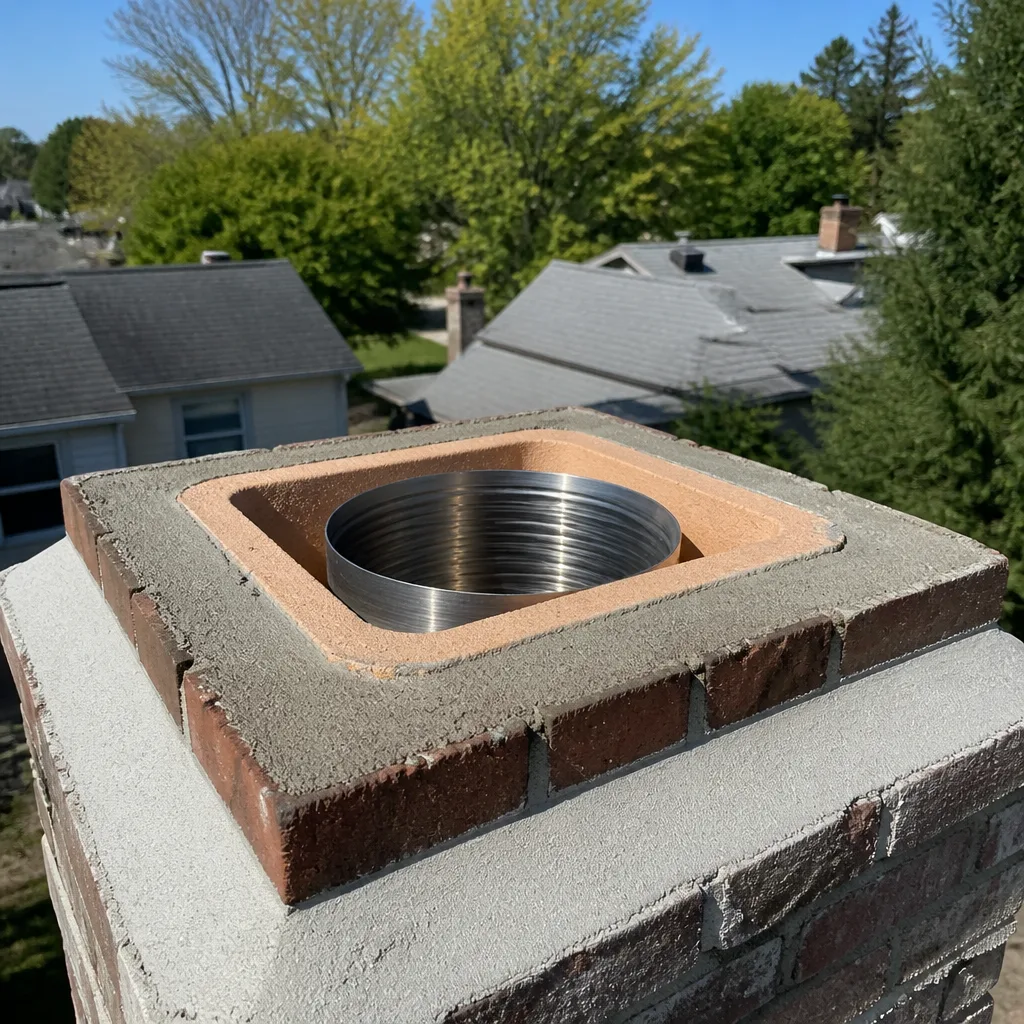 Flue relining
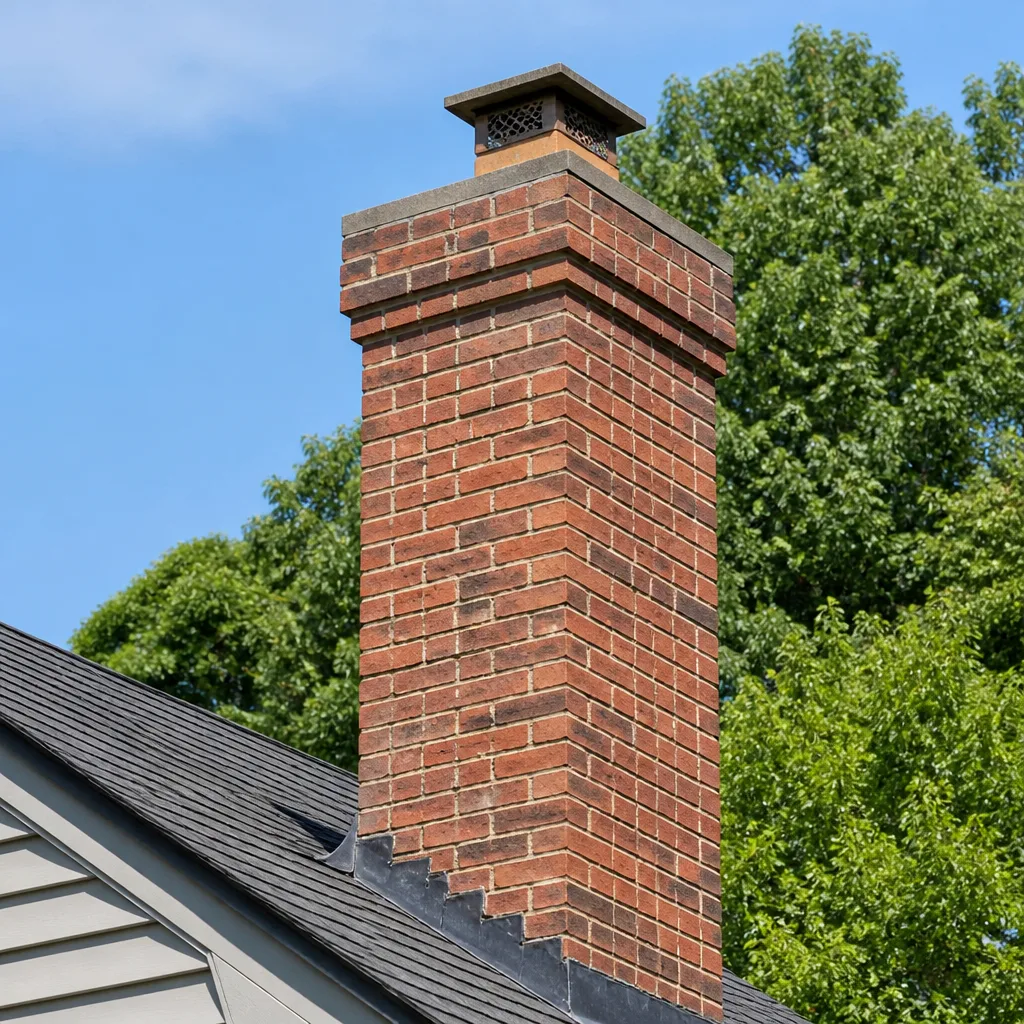 Masonry repair
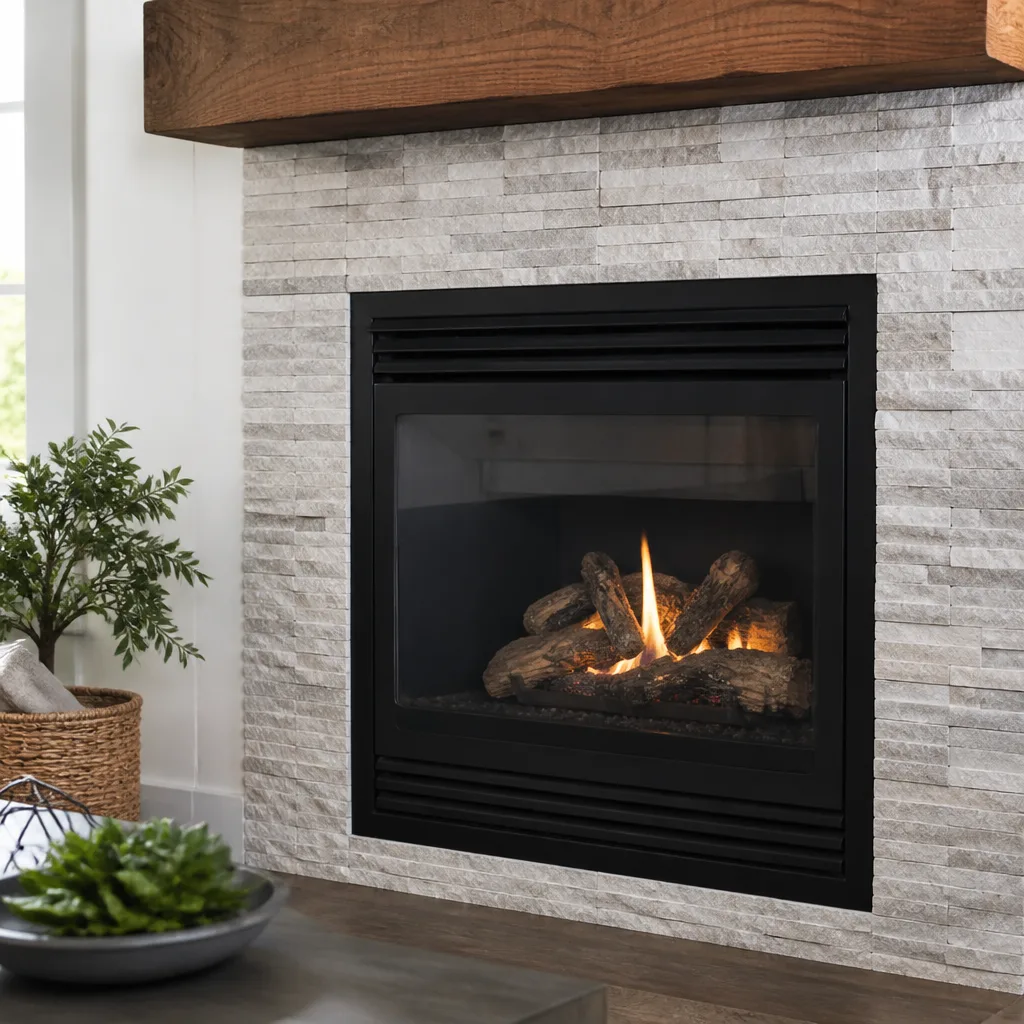 Gas fireplace service
Level 1 sweep and inspection to the NFPA 211 annual standard - flue, crown, cap, and flashing checked and photographed
Chimney sweep logs do not sweep chimneys. They loosen some creosote - which then falls where a brush and vacuum still have to collect it.
Seasonal Chimney Cleaning Care for New Braunfels: Year-Round Homeowner’s Guide
Most homeowners in New Braunfels think about the chimney twice: once when they light the first fire of the season, and once when they smell smoke somewhere it shouldn’t be. That’s a mistake, and an understandable one. Our fireplace weather here is short. You might burn from late November into February and then forget the chimney exists for the better part of a year. But the months your chimney sits idle are the months it takes the most quiet punishment, from humidity, from nesting animals, from sun baking a capped crown and rain finding the seam it opened. This guide walks the calendar with you: what to check in spring after the last burn, what Central Texas summer does to a flue nobody’s watching, how to prep in fall before the first fire instead of the week of, and how to shut the whole thing down at season’s end so next October isn’t a repair bill.
Quick Answer
Chimney care in New Braunfels runs on a full-year cycle, not a winter one. A professional sweep and Level 1 inspection belongs in early fall, before your first fire, and again once burn season ends. Spring and summer are for spotting moisture, animal, and storm damage while it’s still small. If your household burns more than 30 fires between November and February, add a mid-season check. One annual visit is the minimum; the healthiest chimneys here get looked at at least twice.
We’re Beacon Chimney Sweep, and chimney work is all we do: sweeping, inspection, and repair handled by the same team from the firebox to the crown cap. Call (888) 401-6898 when you’re ready to book a sweep. We answer 24/7, with fast dispatch from 7am to 7pm, Sunday through Friday.
Styles & brands we work with
- Sweep & inspection
- Caps & crowns
- Flue relining
- Masonry repair
- Gas fireplace service
Table of Contents
- Why the Most Damaging Month for a New Braunfels Chimney Isn’t December
- Spring: The Post-Burn Inspection That Catches the Year’s Problems Early
- Summer: What Happens Inside an Idle Flue in Central Texas Heat
- Fall: Prep Before the First Fire, Not the Week Of
- Mid-Season: When 30 Fires Means It’s Time for a Second Look
- How to Properly Close Down Your Chimney at Season’s End
- Hill Country Weather and Your Masonry: Hail, Ice Storms, Flash Flooding
- The Full-Year Chimney Calendar at a Glance
Why the Most Damaging Month for a New Braunfels Chimney Isn’t December
December gets all the attention. The fire is going, the house smells like cedar, and everyone feels diligent about chimney care. But a chimney in active use is, in a sense, self-maintaining: heat drives moisture out of the masonry, airflow carries smoke and vapor up and out, and any problem announces itself as a draft issue or a smoky room. The chimney is being watched. July is the opposite. Nothing is burning, nothing is drafting, and the flue sits capped or half-capped through the hottest, most humid stretch of the Central Texas year while nobody looks up at the roof.
Three things happen in that stretch at once:
- Creosote absorbs moisture. Creosote left on the flue walls from last season is hygroscopic, meaning it pulls water from humid air. It swells, softens, and in some conditions oxidizes into a looser, flakier form that can break free and block the flue later. A flue that was “fine in February” can be a flue with a fresh creosote pile at the smoke shelf in August.
- An uncapped or poorly seated cap lets weather straight in. Rain running down an open flue wets the smoke chamber and the damper area. That’s the start of rusted dampers, crumbling mortar joints, and the musty smell homeowners describe as “the chimney smell” when they first light a fire in the fall.
- Animals find it. An open flue is a dry, sheltered cavity with a ledge to perch on. Birds, squirrels, and the occasional raccoon treat it as move-in ready. Nesting debris is combustible, and it blocks the very passage you need clear.
Add exposed masonry to the list. A crown with a hairline crack, a mortar joint that’s lost its seal, a flashing edge that pulled away during spring storms: none of these announce themselves in summer. They just admit water, quietly, and the damage compounds until a fall inspection finds it. That’s the argument for a summer look, even a brief one, on a chimney you won’t use for months. Getting on the roof in New Braunfels in July is unpleasant. Getting the chimney repaired because of a July you didn’t check is worse.
Spring: The Post-Burn Inspection That Catches the Year’s Problems Early
Spring is the smartest time to schedule the first real look of the year, and it’s the visit most homeowners skip. The logic is simple: your chimney just finished months of hard work. Creosote built up at its highest rate of the year, the flue cycled hot and cold repeatedly, and any weakness in the masonry or the cap was stressed by real use. Get a trained eye on it in March or April, after the last fire, and you’re looking at problems at their smallest and cheapest. Wait until fall, and those same problems had eight months to grow.
What a spring visit should cover:
- A full sweep. Clear the season’s creosote while it’s fresh and before summer humidity gets to work on it. This is the chimney sweep that matters most, because the flue will sit untouched for months afterward.
- A Level 1 inspection of accessible components. Firebox, damper, smoke chamber, flue, crown, and cap. Look for cracked mortar, spalled brick, a failing crown, and a cap that’s lost its seal or fasteners.
- Flashing check at the roof line. The step flashing and counter-flashing where the chimney meets the roof are the most common entry point for water. Spring is when Hill Country storms test them.
- Damper operation. It should open, close, and seat fully. A damper that won’t close is an open door for summer humidity and animals.
- Creosote assessment for next season. Knowing whether you’re running light soot or glazed, hard creosote tells you how to burn and how often to schedule.
In our experience, spring inspections in New Braunfels turn up a lot of small, fixable conditions: a cracked crown, a loose cap, a rusted damper. All cheap to address in April. All capable of turning into liner or masonry work if left through a Hill Country summer and a wet fall. If a spring visit finds something, Beacon fixes it with the same team that found it, so there’s no second contractor to schedule, explain the problem to, and wait on.
Summer: What Happens Inside an Idle Flue in Central Texas Heat
Summer is the season that does the most invisible damage, and it deserves its own walkthrough. The chimney isn’t doing anything, but the environment around it is actively working on it. Here’s what we look for when we do a summer visit, and what you can check yourself from the ground.
Moisture and the uncapped flue
An open flue takes in direct rain. A flue under a damaged cap takes in the same rain plus wind-driven spray. Water in the flue wets the smoke chamber, runs down to the damper, and soaks into masonry from the inside. Masonry is porous. Once it’s wet, it wants to stay wet, and in a humid Central Texas summer there’s little dry air to pull it back out. Wetted mortar softens and spalls. Wetted brick cracks in the sun as it dries unevenly. A wet flue in June is a failing flue by next winter.
The fix is usually a properly seated cap. It’s one of the least expensive pieces of chimney hardware and one of the most protective. If your cap is missing, cracked, or sitting loose on the crown, that’s the first summer item on the list.
Creosote in summer heat
Creosote left in the flue is a problem even when nothing burns. Heat and humidity pull moisture into the deposit. It softens, expands, and sometimes flakes off and drops. Hard, glazed creosote can shed onto the smoke shelf or damper, narrowing the flue and creating a blockage you’ll discover as a smoky first fire of the season. A clean flue doesn’t have this problem, which is the whole reason we recommend a full sweep in spring, before the summer idle period.
Animal entry
Birds nest on chimney caps, and when a cap is missing a flue is a safe dry cavity. Spring nesting season is the peak of it. By July, a flue can hold twigs, leaves, feathers, and worse. Nesting material is combustible, restricts airflow, and smells. If you’re hearing scratching or birdsong in the chimney in summer, get it cleared before fall, not after. A trained technician will remove the nest, check the flue, and get a cap back on so the next set of birds has somewhere else to go.
Exterior masonry in the summer sun
South and west-facing chimney exteriors in New Braunfels take full afternoon sun through July and August. Cycles of heating and cooling open hairline cracks at the crown and at mortar joints over time. It’s slow, and it’s incremental, and it’s exactly the kind of damage that’s small when you find it in summer and expensive when you find it in December. A brief summer look at the exterior, even from the ground with binoculars, catches a lot.
Fall: Prep Before the First Fire, Not the Week Of
Here’s the pattern we see every year. A homeowner lights the first fire on a cool evening in late November, the room fills with smoke, and someone calls us in a hurry. The fix was always going to be a sweep. The only question was when. A proper fall prep schedule, done in October, means the first fire of the season happens clean and smoke-free, and any repair that turns up has time to get done before the burn window starts.
Fall prep, in order:
- Book the sweep early. Do it in September or October, on a dry day. Creosote that’s accumulated since spring comes out before it matters. This is the season’s most important step, and it’s why we ask New Braunfels homeowners to schedule their fall sweep before the first cold snap, not after.
- Have a Level 2 inspection if it’s been a while or there’s been any change. If you’ve moved into a new home, added a wood stove, relined the flue, or had a chimney fire, you need a Level 2 visual inspection with a camera. That’s the level that catches what a basic look can miss.
- Check the damper and smoke shelf. Open, close, seat. Clear debris. Run a light and mirror or a camera up to confirm the path is clear.
- Confirm the cap and crown are intact. A held-over item from the spring inspection or summer check should be addressed now. A cap replaced in October is doing its job all winter.
- Test the draft. First fire is a test. Look for smoke pulling up and out. If it spills into the room, stop and call. A blocked or poorly drafting chimney in use is a carbon monoxide risk, and it’s not worth burning through a suspected problem to see if it clears.
- Stock and check your wood. Seasoned firewood, stored away from the house, off the ground. Wet wood smokes, cools the fire, and builds creosote faster. That’s a chimney care point, not just a fire-building one.
If your chimney is overdue and it’s already getting cold, don’t skip the sweep and burn anyway. Call and book. Same-day booking is a thing we can do; a full sweep is not. Call (888) 401-6898 to get on the schedule, and we’ll tell you honestly how soon we can be there.
Mid-Season: When 30 Fires Means It’s Time for a Second Look
Thirty fires. That’s a rough line in the sand for a New Braunfels household between November and February. Burn fewer than that and a single fall sweep plus a spring inspection is usually the right rhythm. Burn more, and the math changes. More fires mean more creosote, more thermal cycling of the flue, and more chances for a small condition to grow mid-season. If your chimney is doing real work every cold week, a mid-season check is worth the visit.
What a mid-season check covers:
- A visual look at the firebox, damper, and accessible flue, without a full sweep unless creosote buildup warrants one.
- A draft check under real burn conditions.
- A quick creosote assessment: has it built faster than expected? If so, the sweep schedule needs to change, and we’ll tell you what burning habits are driving it.
- A spot check of the cap and crown on the roof, since the season so far has been its own stress test.
Why mid-season matters: a chimney fire doesn’t announce itself politely. It can be a low, quiet rumble you mistake for wind, or it can be violent. Creosote is the fuel. The mid-season check is how you confirm you’re not building up to one before the season ends. And if we find something small, like a loosened cap or a starting crack in the smoke chamber, fixing it mid-season is far cheaper than the liner work that a bigger version would call for later. If we find a flue that’s deteriorating, HeatShield resurfacing is often the right repair, restoring the flue’s interior without a full liner replacement. When a liner truly needs replacing, we install DuraFlex flexible liner systems, sized for everything from a standard fireplace to a wood stove insert.
How to Properly Close Down Your Chimney at Season’s End
Closing down at season’s end is the single most overlooked step in year-round chimney care. The burn window is over, the fireplace is cold, and most homeowners just walk away until October. What you do in that last week matters more than any other week of the year, because the condition you leave the chimney in is the condition it spends eight months in.
Close down properly:
- Sweep before the shutdown. Clear all creosote now, while the flue is dry and the season’s buildup is at its close. A spring sweep is really a “close-out” sweep: it removes the fuel load and the hygroscopic deposits so summer humidity has nothing to work on.
- Close the damper fully. It should seat flush. A damper left open invites airflow, moisture, animals, and any debris a storm carries down.
- Confirm the cap is intact and seated. The cap is the chimney’s roof. If it’s cracked, missing, or shifted, the whole summer is water damage waiting to happen.
- Check the crown. Hairline cracks in the crown are common and they widen over the summer. Fill small ones now or schedule the repair; leave a large one and the whole crown may need rebuilding later.
- Remove all ashes. Ashes are corrosive to the firebox and damper when they sit through a humid summer. Clean out fully, and leave the firebox dry.
- Take a photo of the cap and crown from the ground or ask for a camera photo from the technician. In fall you’ll have a baseline to compare against. It’s a small habit that catches a lot of roofing and flashing problems before they get expensive.
- Get a spring inspection on the calendar. Book it now, at close-out, so it doesn’t get skipped. Spring is when the off-season work gets done; locking it in early is how that happens.
This is the step where a single point of contact matters. The company that sweeps should be the company that inspects, and the company that inspects should be the company that repairs, otherwise “we found something” turns into a slow relay between three trades. Beacon handles all three under one roof. The team that finds the problem is the team that fixes it.
Hill Country Weather and Your Masonry: Hail, Ice Storms, Flash Flooding
New Braunfels has a particular weather personality, and the chimney takes it directly. The Hill Country pattern isn’t one of gradual seasonal change; it’s a sequence of events, each of which hits the chimney from a specific direction and does a specific kind of damage. Spring is the busiest storm window. Hail, ice storms, and flash flooding all leave their mark on the exterior, and the chimney is one of the most exposed parts of the house.
Hail
A hail storm is essentially a horizontal blizzard of hard ice directed at your roof, and whatever it hits hardest is what’s already elevated. The chimney crown takes direct strike. Small chips become cracks; cracks become water entry points. The cap, if it’s metal, can dent or knock loose. Inspect the crown and cap after any significant hail and note any change in their condition.
Ice storms
Ice is different from hail. It accretes, it weighs, and it stays. The cap and the top course of masonry carry the load. If your cap was already loose, this is when it shifts or comes off. Mortar joints that were starting to fail take on real weight. Ice is also when flashing edges start to lift, because water gets behind them, freezes, and pries them open. A post-storm check of the cap and the flashing is the fastest way to catch it.
Flash flooding and heavy rain
Flash flooding in the Hill Country is a well-known local reality, and while the chimney sits on the roof, the rain that comes with those events is the main threat. Wind-driven rain hits the chimney from a new angle, which finds flashing seams that were sound against steady rain. It’s also the seasonal push that wets uncapped flues the most.
Post-storm chimney checklist
- Look at the cap: cracked, dented, shifted, or missing?
- Look at the crown: fresh cracks, chipped edges, or spalling?
- Look at the flashing line where the chimney meets the roof: lifted, pulled back, or gapped?
- Look at the masonry: any fresh chips or missing mortar visible from the ground?
- Smoke odor in the house after a storm: a hint that water found its way in.
Any of those warrants an inspection and, if there’s actual damage, a repair. This is one of the areas where chimney repair after a storm is much cheaper than the liner work that prolonged water exposure can eventually call for. A camera inspection and a photo report tell you exactly what’s there. Nothing is recommended without evidence you can look at.
The Full-Year Chimney Calendar at a Glance
Everything in this guide, condensed into a calendar. Print it, pin it, or just keep it in mind. This is the seasonal chimney cleaning care rhythm that keeps a New Braunfels chimney healthy across all twelve months.
- March / April (post-burn): Full sweep. Level 1 inspection. Flashing check. Damper operation. Creosote assessment for next season.
- May / June (summer check): Confirm cap and crown. Check for animal entry and nesting. Look at masonry under summer sun.
- July / August (idle observation): Keep the damper closed. Look for smoke or musty odor. Confirm cap is intact.
- September / October (fall prep): Sweep before first fire. Level 2 inspection if overdue or there’s been any change. Cap and crown confirmation. Draft test at first fire.
- November – February (burn season): Burn seasoned wood. Watch for smoke spillage. If burning more than 30 fires, a mid-season check.
- February / March (close-out): Final sweep, damper confirmed closed, cap and crown checked, ashes removed, spring inspection booked.
Two visits per year is the baseline: a pre-season sweep and inspection in fall, and a post-season look in spring. Some years warrant a third, and some years don’t. The point is that the chimney is being looked at across the calendar, not just the six weeks a year the fire’s lit.
Common Mistakes to Avoid
- Waiting for the first cold snap to schedule the fall sweep. Every household in Central Texas has the same idea in the same week. Book the sweep in September or October, when the schedule is open and the chimney is dry and idle. A spring sweep is even better for the flue’s summer health.
- Leaving the damper open through summer. An open damper in an idle chimney is an invitation for humidity, animals, and whatever the wind carries. Close it fully at season’s end.
- Assuming the chimney is fine because nothing smoked last season. Smoke spillage is one failure mode. Creosote buildup, a cracked flue tile, or a failing crown can all be there while the fire burns normally. Only an inspection finds those.
- Burning unseasoned wood to save on firewood costs. Wet wood burns cool, smokes heavily, and builds creosote much faster than seasoned wood. It’s the most common self-inflicted chimney problem we see in New Braunfels.
- Skipping the exterior after a hail or ice storm. The crown and cap take direct damage. A quick post-storm look catches it before a fresh crack has a year to widen.
- Hiring a general handyman to “just sweep” the chimney. A chimney is a fire and carbon monoxide system, and it deserves a specialist who knows what to look for beyond the visible flue. Brands like Copperfield and Famco exist for the professional channel because the materials matter.
- Letting an inspection recommend expensive work without visible evidence. Any reputable technician will show you the camera photo. If they won’t, don’t authorize the work.
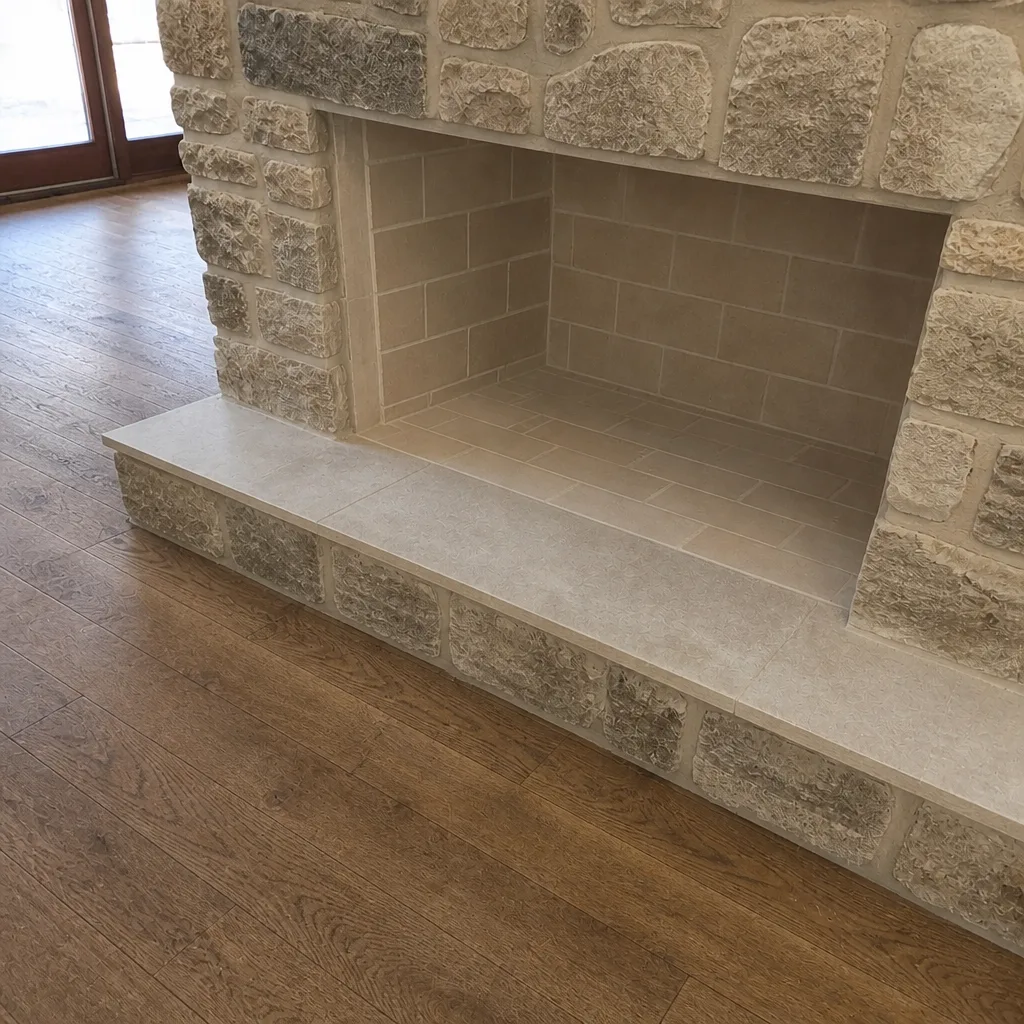
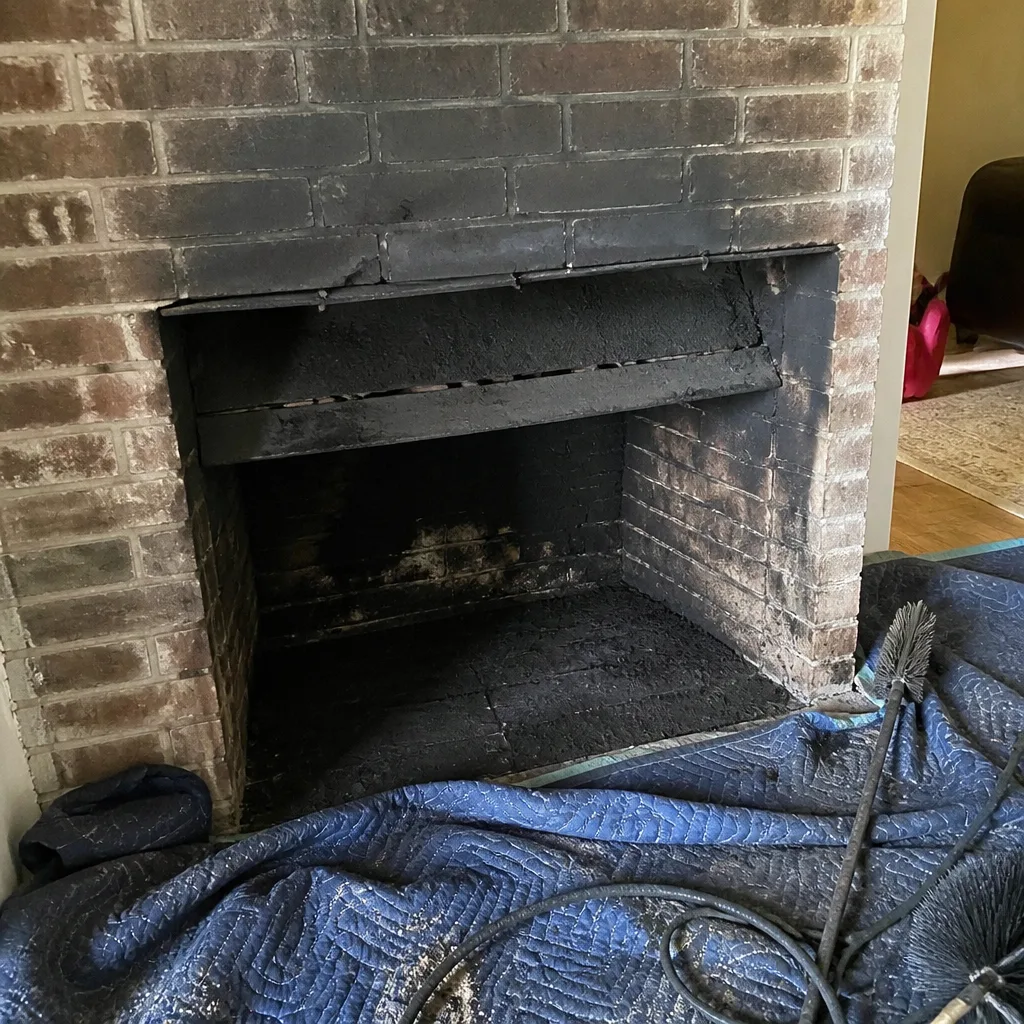
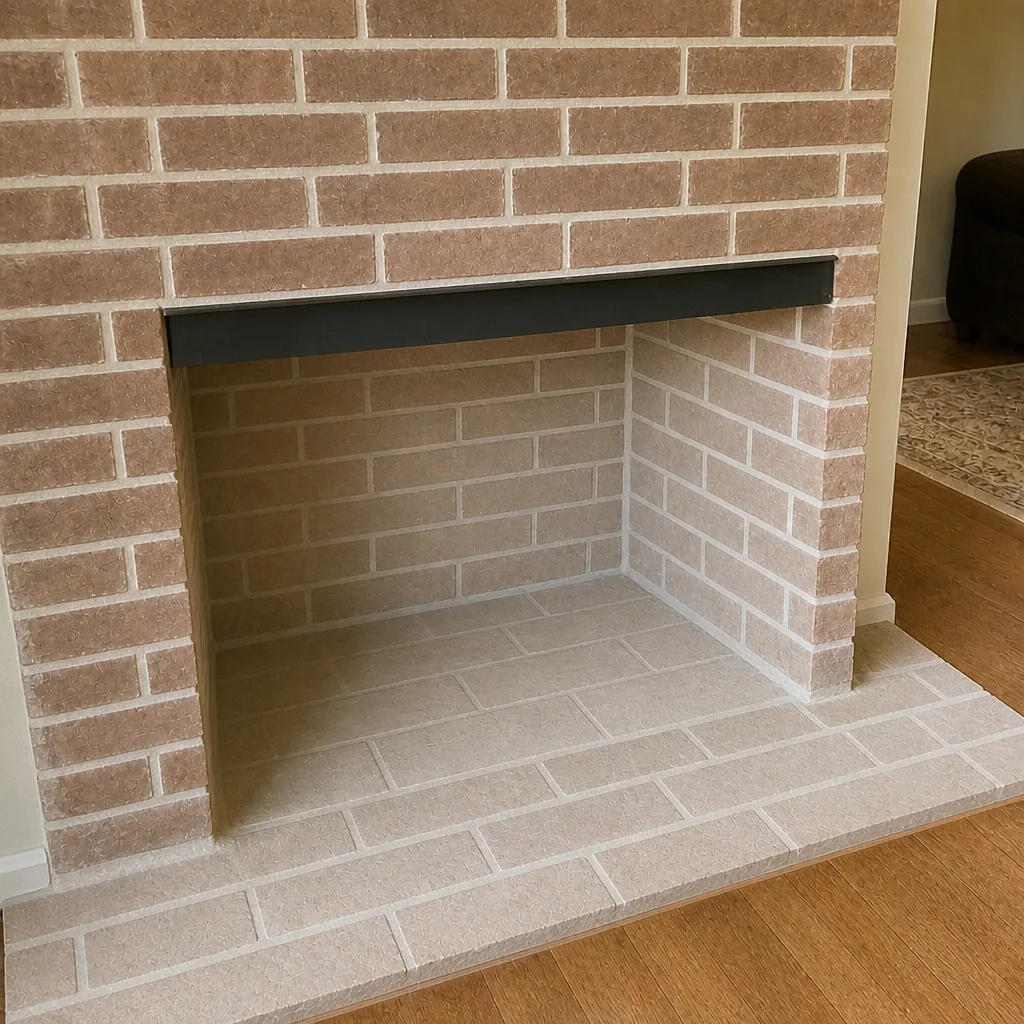
See the difference
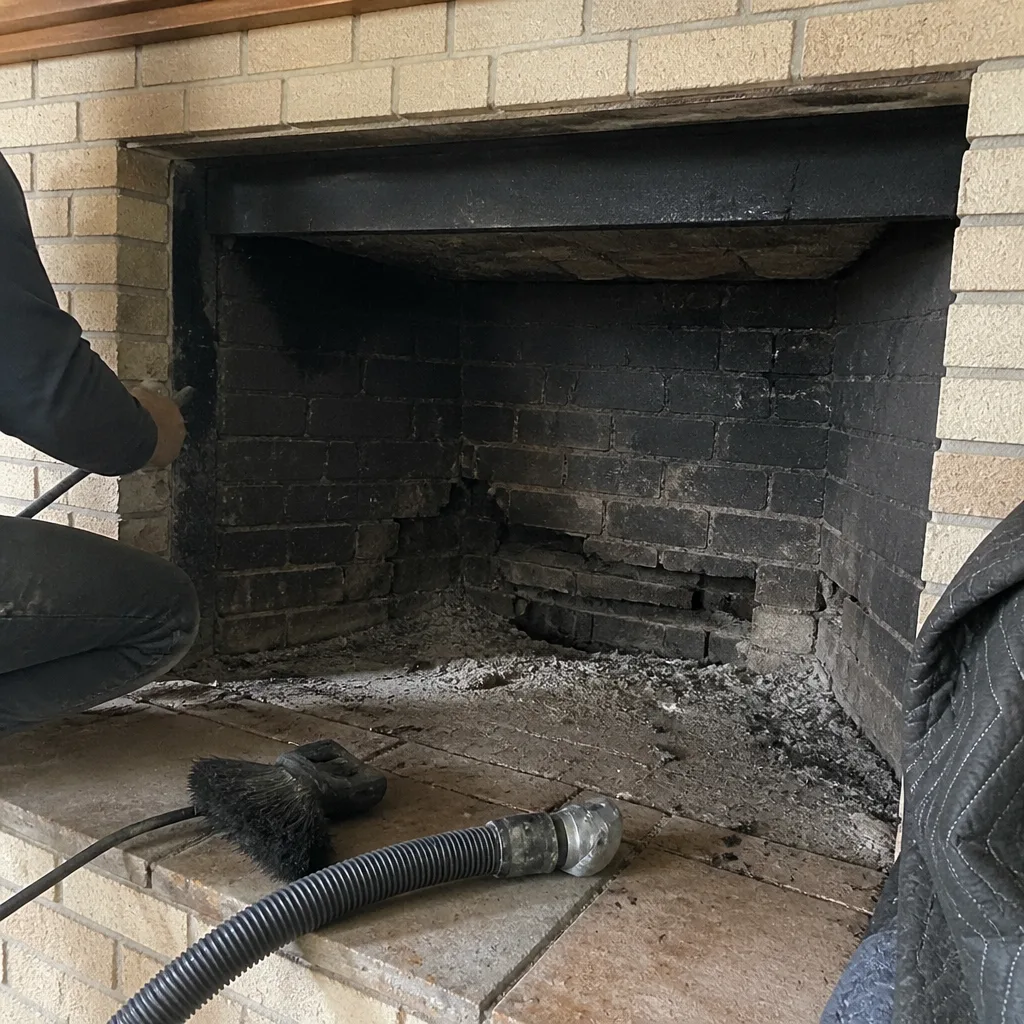 Before
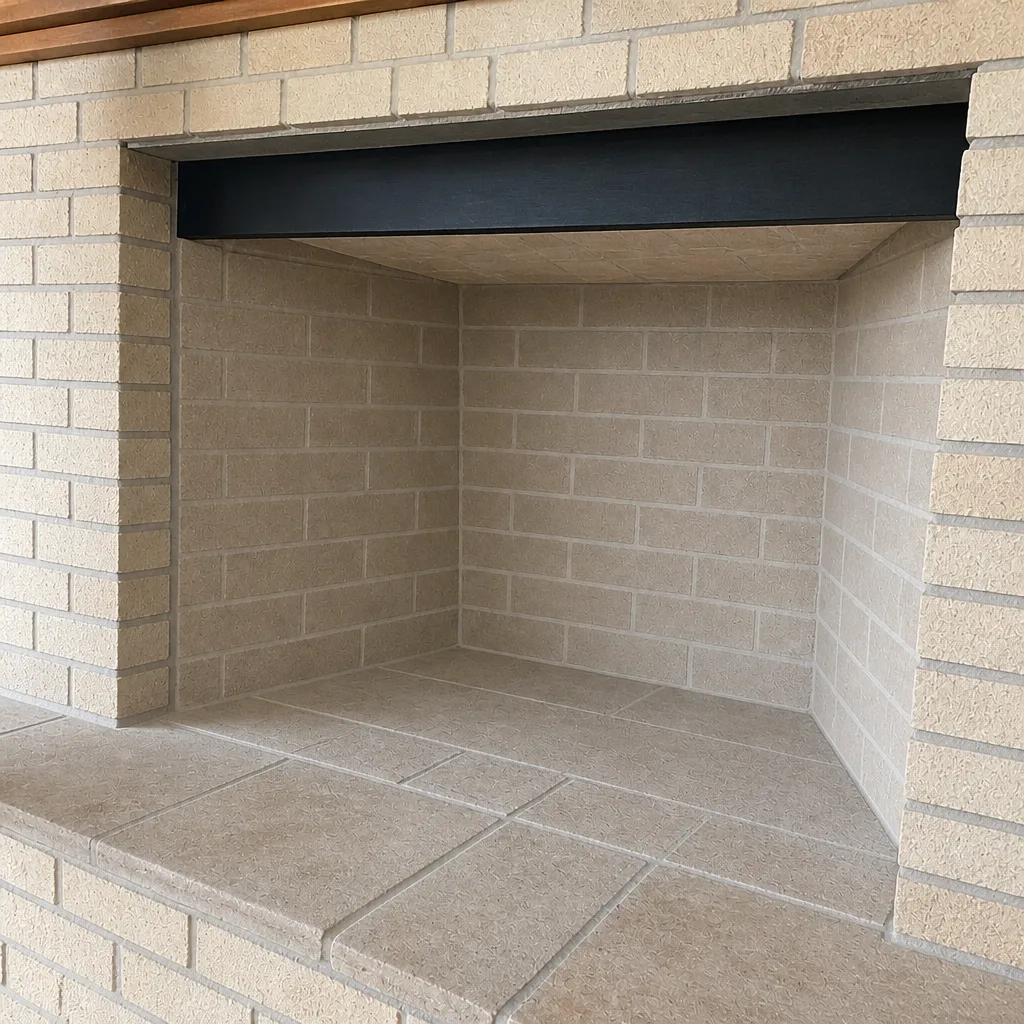 After
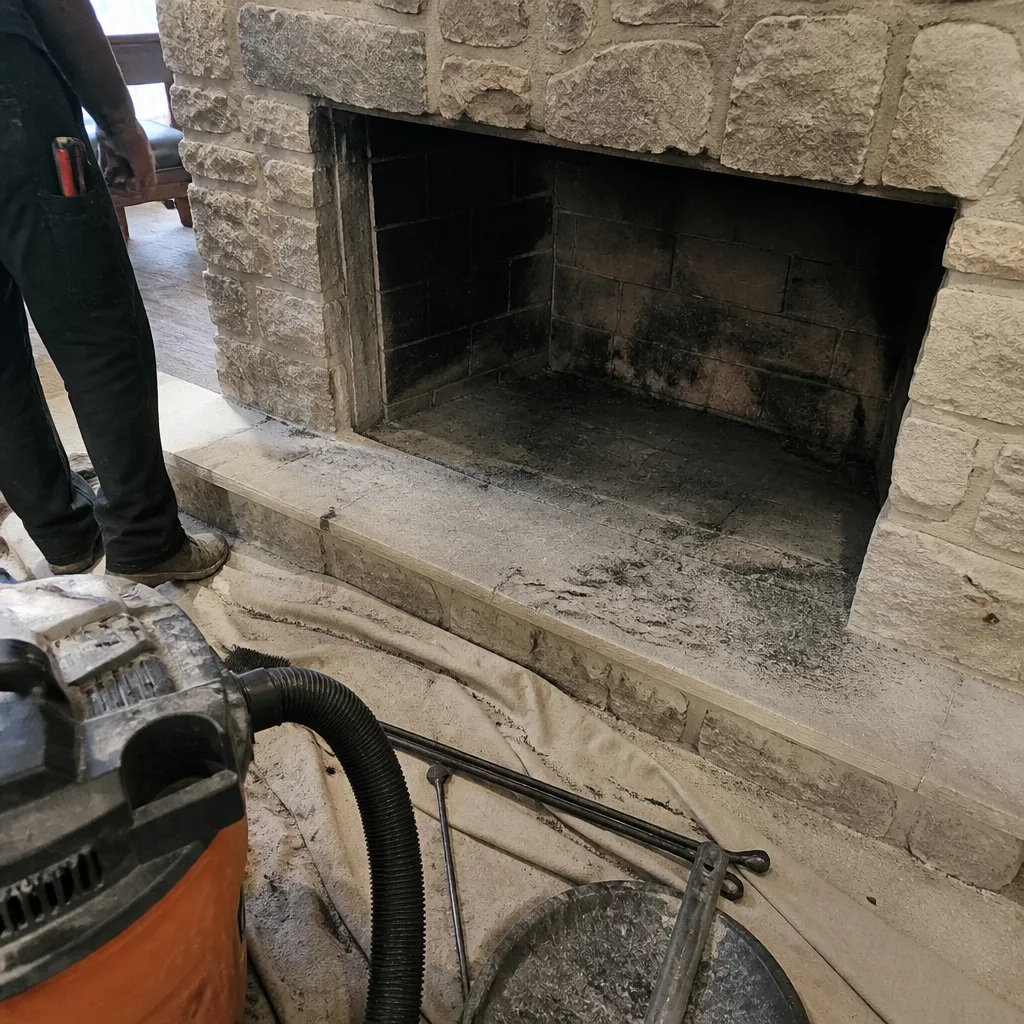 Before
 After
 Before
 After
When to Call a Professional
Some things you can handle yourself: closing the damper, removing ashes, checking the cap from the ground, keeping a photo record of the crown. Others are not a homeowner job. Call a professional if you see any of these: smoke spilling into the room when a fire is lit; a chimney fire, even a small one; a cap that’s cracked, shifted, or missing; visible fresh cracks in the crown or masonry after a storm; birdsong, scratching, or a nest odor in the flue; a flue that hasn’t been swept in more than a year; a new home where the chimney’s history is unknown; or a wood stove insert that was installed without a documented inspection. High-tension components are not for unsupervised handling, and a truly compromised flue is a carbon monoxide risk that’s not worth burning through.
Beacon Chimney Sweep offers free estimates in New Braunfels, and our technicians have up to 12 years of experience. Call (888) 401-6898 for an appointment, or to talk through what you’re seeing. We answer 24/7, with fast dispatch from 7am to 7pm, Sunday through Friday.
Frequently Asked Questions
Once a year at minimum for a household that burns regularly, and twice if you burn more than 30 fires a season or notice creosote buildup faster than usual. In New Braunfels the smartest rhythm is a pre-season sweep in fall, then a post-season sweep or inspection in spring, which covers the whole calendar and keeps the flue clean through the summer idle period. Call (888) 401-6898 to schedule a sweep and we’ll help you decide whether one visit or two fits your burn pattern – estimates are free.
Because the chimney is idle and unobserved while heat, humidity, and weather work on it. Creosote absorbs moisture, a cap that’s cracked or missing lets rain in, and open flues invite animals. None of this is visible from the living room and none of it announces itself. A quick summer check, even a few minutes on the roof, catches the problems while they’re cheap. Call (888) 401-6898 if you’d rather have a trained eye look.
That depends entirely on what the camera shows. A flue that’s deteriorated but structurally sound can often be restored with HeatShield resurfacing, which rebuilds the interior surface without a full replacement. A flue that’s cracked through or has lost integrity needs a new liner, and we install DuraFlex flexible systems for fireplace and stove insert applications. We won’t recommend a liner when resurfacing will do, and we’ll show you the camera photo before we recommend anything at all. Call (888) 401-6898 for an inspection – estimates are free.
Look at the cap, the crown, and the flashing line on the roof as soon as it’s safe to do so. Any crack, chip, shift, or lift is worth an inspection, and any chimney that took direct strike damage is worth a professional look regardless. Flash flooding events are also a good trigger to check the flashing lines, since wind-driven rain finds seams that steady rain misses. Call (888) 401-6898 to book a post-storm inspection.
No, and this is the case where the risk is real rather than theoretical. Creosote is the fuel for chimney fires, and a year’s buildup is enough to matter. Carbon monoxide is also a risk from a blocked or poorly drafting flue, and neither announces itself before a fire is lit. A sweep is quick, a camera inspection is thorough, and together they cost a fraction of any repair. Call (888) 401-6898 – estimates are free and we’ll tell you honestly if work can wait.
Closing the damper is one of the right close-out steps, but it isn’t the whole job. A proper season-end shutdown also includes a final sweep, removing ash, confirming the cap and crown are intact, and booking a spring inspection. If that sounds like a lot, it’s not: it’s a single visit at the end of the season and a single visit the following spring. The chimney spends its eight idle months exactly as you left it. Call (888) 401-6898 to schedule the close-out – estimates are free.
The Bottom Line
Chimney care in New Braunfels isn’t a winter chore. It’s a twelve-month rhythm. Sweep and inspect in fall, before the first fire. Sweep and inspect again in spring or summer, so the long idle months don’t quietly compound small problems into large ones. Close the chimney down properly at season’s end, watch the cap and crown after every Hill Country storm, and treat a heavy-burn winter as a reason for a mid-season check. A sweep is quick, a camera inspection is thorough, and together they catch almost everything. If you’re overdue, don’t wait for the first cold snap to call. Beacon Chimney Sweep keeps the whole job in-house, from sweeping to inspection to repair, with brands like HeatShield and DuraFlex in the mix for the fixes that come up in between.
Call (888) 401-6898 for a free estimate on a seasonal chimney sweep in New Braunfels or to get an inspection on the calendar. We answer 24/7, with fast dispatch from 7am to 7pm, Sunday through Friday.
Written by the team at Beacon Chimney Sweep.