
Last updated November 15, 2026
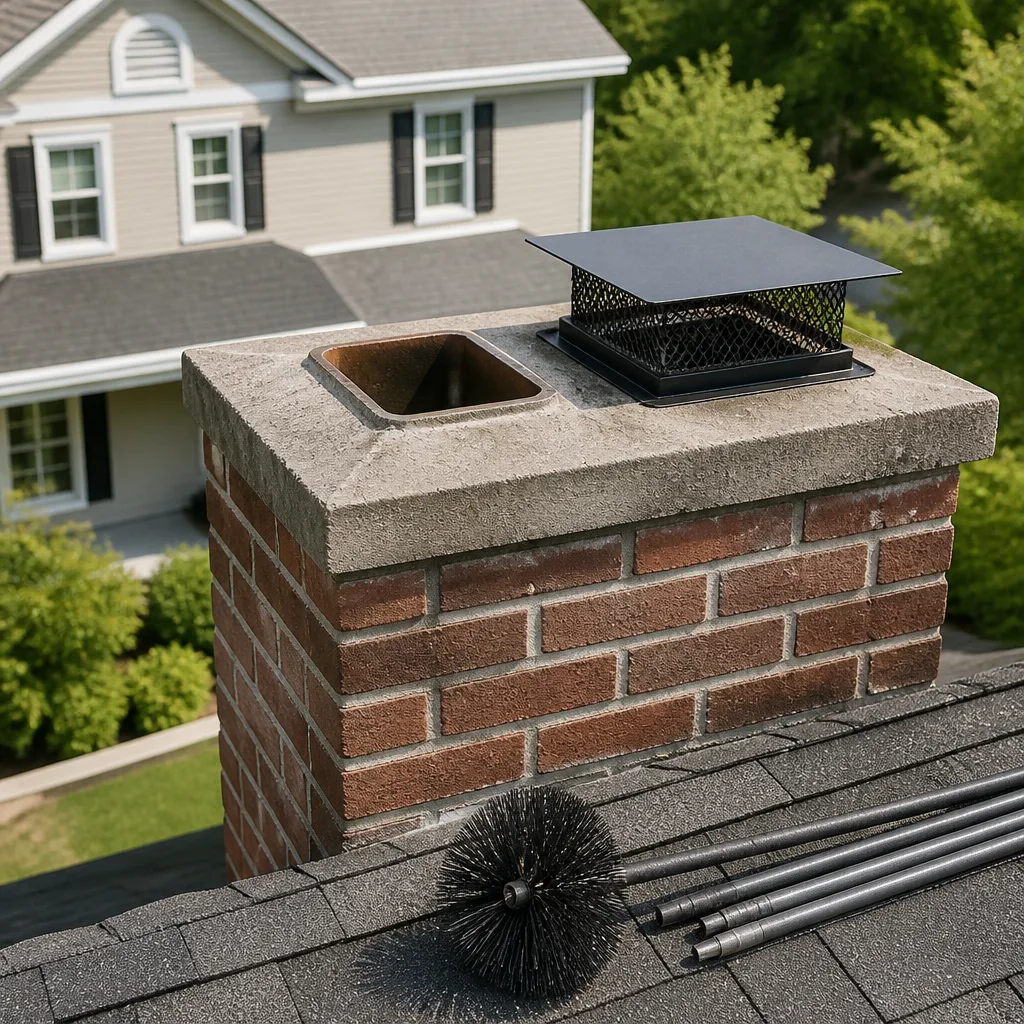 Sweep & inspection
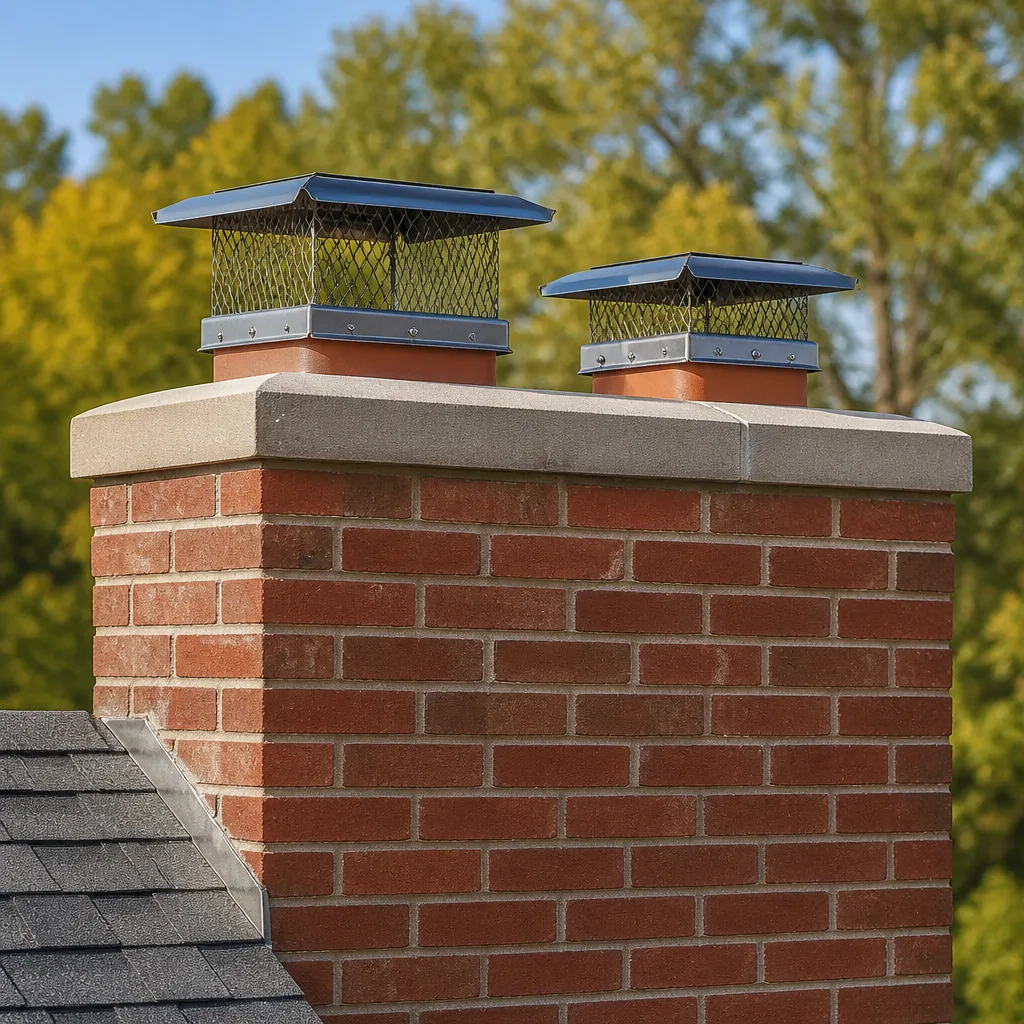 Caps & crowns
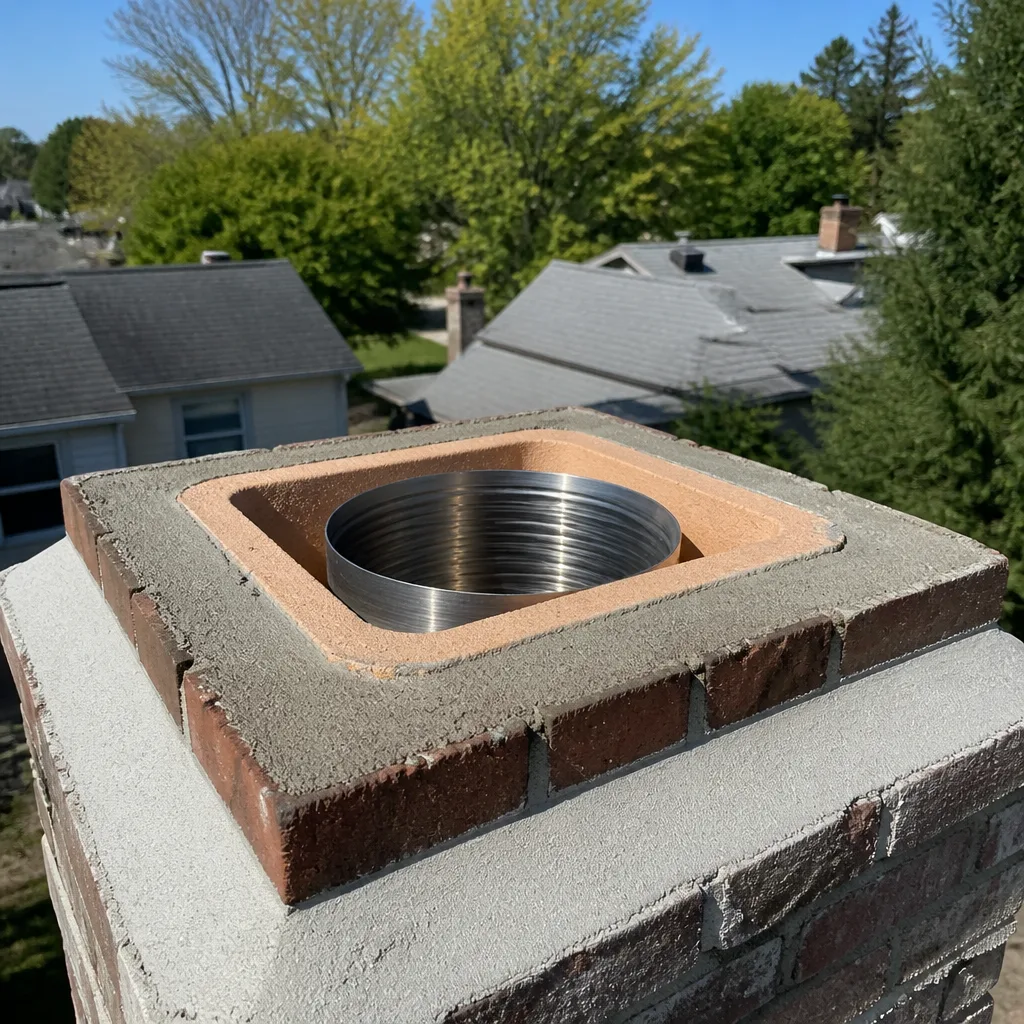 Flue relining
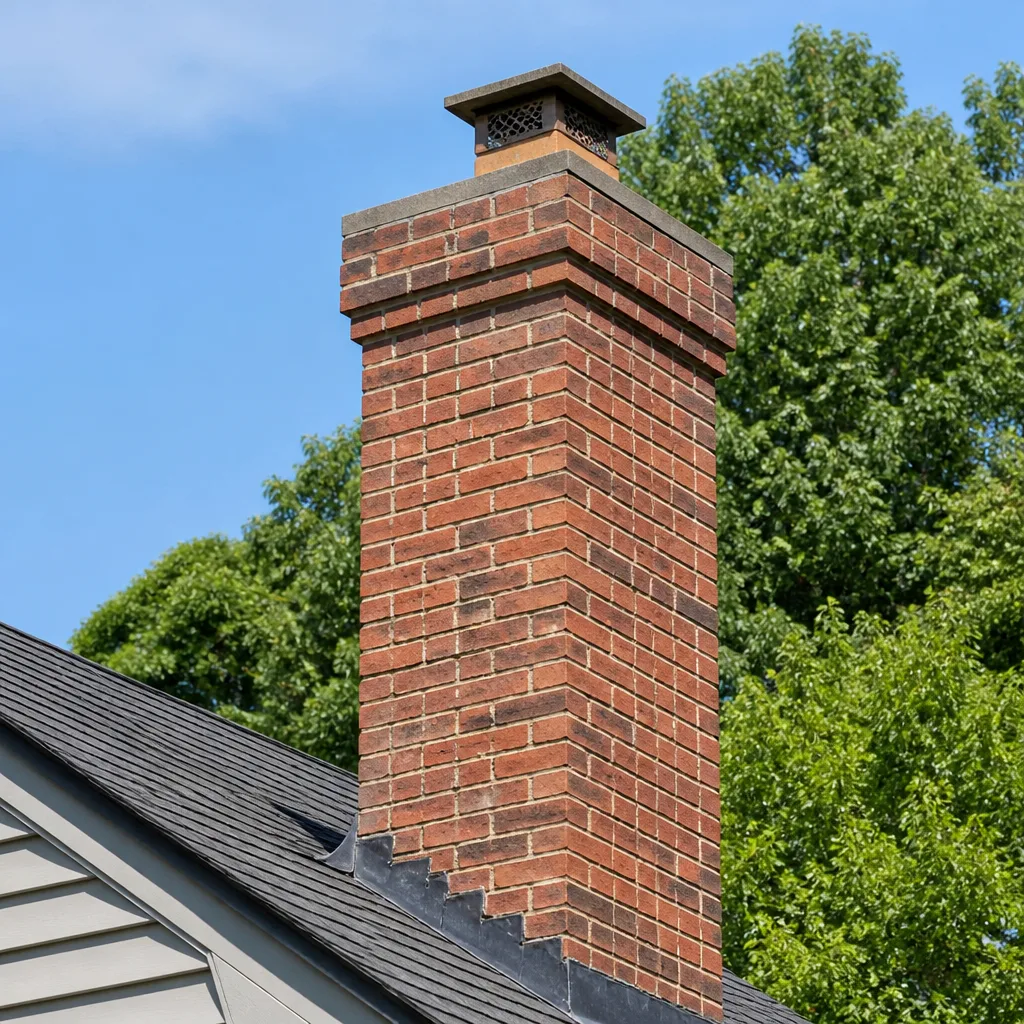 Masonry repair
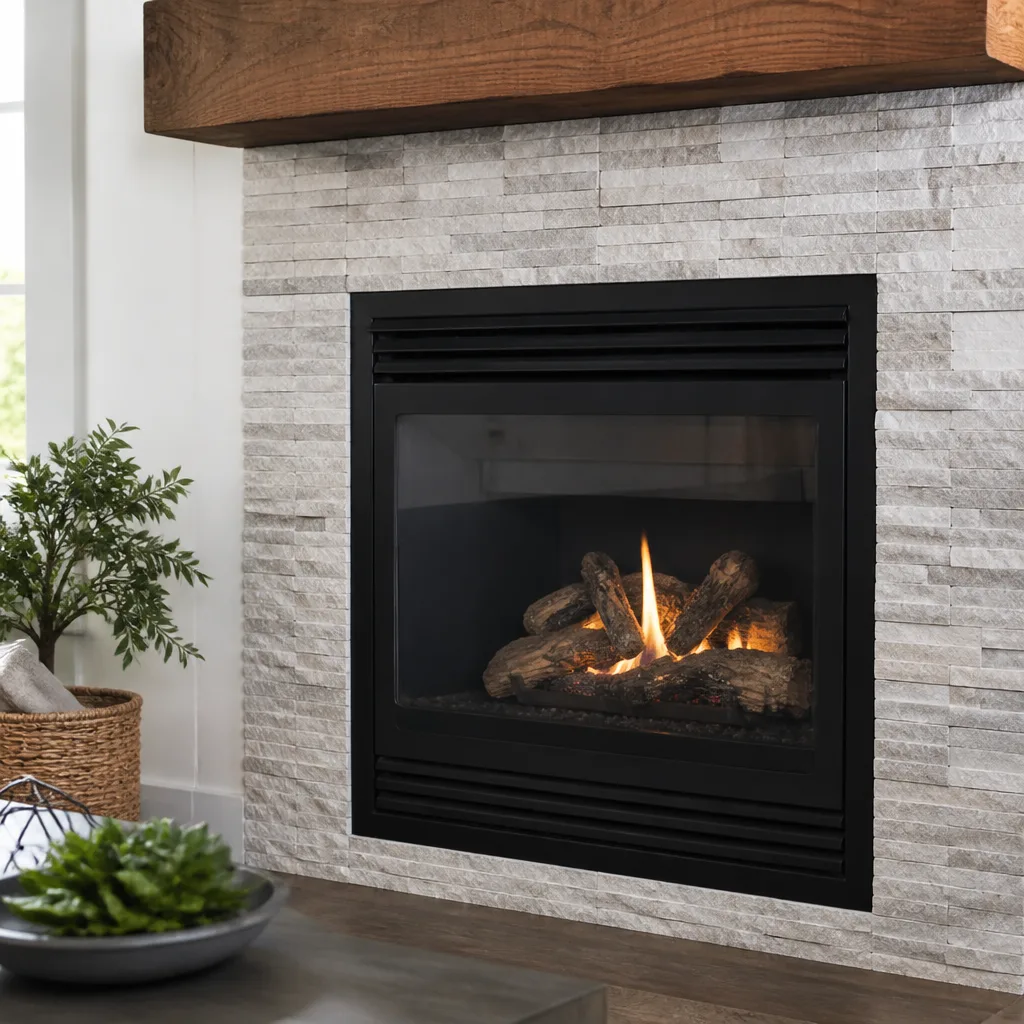 Gas fireplace service
Level 1 sweep and inspection to the NFPA 211 annual standard - flue, crown, cap, and flashing checked and photographed
Chimney sweep logs do not sweep chimneys. They loosen some creosote - which then falls where a brush and vacuum still have to collect it.
The Complete Guide to Chimney Cleaning in New Braunfels
Most chimney fires in Central Texas don’t happen in January. They happen in October, on the first cool evening someone lights a fire in a flue that sat dirty and damp through a long, humid summer. If you burn wood in New Braunfels, the condition of your chimney in fall was set months earlier, and the calendar of cleaning matters more than most national guides admit. This guide covers what chimney cleaning really involves here, why infrequent burning still builds dangerous deposits, how local wood choices shape what ends up on your flue walls, and when you actually need a sweep versus a full diagnostic inspection.
Quick Answer
Chimney cleaning in New Braunfels means professionally removing creosote, soot, and moisture-driven deposits from the flue, then confirming with a camera inspection that the liner, firebox, and cap are sound. Most wood-burning chimneys here need a sweep and inspection once a year, ideally in late summer or early fall before the first fire, plus an inspection after any chimney fire or major storm. A cleaning visit and a diagnostic inspection are not the same thing, and confusing them is how problems go unfound.
Styles & brands we work with
- Sweep & inspection
- Caps & crowns
- Flue relining
- Masonry repair
- Gas fireplace service
Table of Contents
- Why Central Texas Humidity Makes Chimney Deposits Worse
- Why Burning Only 10-20 Fires a Season Still Builds Stage 2 Creosote
- How Live Oak, Cedar, and Mesquite Change What Ends Up in Your Flue
- Cleaning vs. Diagnostic Inspection: What’s the Difference?
- What a Full-Scope Chimney Specialist Checks That Others Miss
- How Much Does Chimney Cleaning Cost in New Braunfels?
- How Often Should You Schedule a Chimney Sweep?
- What Happens During a Professional Chimney Cleaning
Why Central Texas Humidity Makes Chimney Deposits Worse
The stretch from May through September in New Braunfels is humid and warm, and that combination does real damage to a chimney that’s sitting idle between burn seasons. Creosote that formed during winter doesn’t just wait quietly. Warm, moist air moving through a cool flue during summer condenses on the interior surfaces, and that moisture interacts with creosote and soot to harden deposits and accelerate corrosion of metal liners and mortar joints.
What that means practically is that a chimney that seemed fine in March can be noticeably worse by October. The deposits that were soft and brushable at the end of the last burn season can bake into a harder glaze that no standard sweep brush will fully remove. The moisture also works on the crown, the cap, and the flashing, opening small cracks that let in more water the following season.
This is the single biggest reason we tell New Braunfels homeowners to schedule cleaning and inspection in late summer rather than mid-winter. Here’s how the seasonal pattern usually looks:
- Late winter (end of burn season): Flue walls carry fresh creosote and soot from the fires you just burned. Deposits are still relatively soft.
- Summer: Humidity enters an idle flue. Deposits stiffen, and metal components may start to corrode.
- Late summer: The best window for a sweep, because deposits are removable and there’s time to address any liner or crown problems before the first fire.
- October: First fires of the season. If the flue wasn’t cleaned over the summer, this is when built-up creosote gets exposed to heat and ignition risk climbs.
Skip that summer window and you’re lighting a fire in a flue that has had months of humidity working against it. Generic national guides that assume dry winters and cold basements miss this entirely. If you want the seasonal timing handled by someone who does this in New Braunfels, our chimney sweep page walks through what we cover on a visit.
Why Burning Only 10-20 Fires a Season Still Builds Stage 2 Creosote
A lot of New Braunfels homeowners figure that a dozen fires a year doesn’t warrant a sweep. The problem is that creosote doesn’t accumulate only with volume. It builds when smoke cools too quickly, and cool smoke raises the risk of the denser, harder deposits. Short, infrequent fires are exactly the pattern that produces cool smoke.
When you light a fire and don’t keep it burning hot, the exhaust cools before it exits the flue. Cooler smoke condenses on the flue walls, and that condensation is the seed of Stage 2 creosote, which is the hardened, glazed type that can fuel a chimney fire. Twenty short evening fires can deposit more harmful creosote than ten long, hot ones. And because those deposits sit through the humid summer described earlier, they harden further before the next season.
The three stages matter, so here’s a plain breakdown:
- Stage 1: Soft, flaky soot and creosote. Removable with a standard sweep brush. The state you want to stay in.
- Stage 2: Hard, glazed deposit that’s stubborn to remove and prone to catching fire. Produced by cooler smoke and by insufficient draft.
- Stage 3: Heavy, tar-like accumulation that can require aggressive removal and often points to a liner or drafting problem underneath.
In our experience, the frequency of fires tells you less than the way they burn. If you’re in New Braunfels and you burn a modest number of small fires each season, that alone is a reason to have the flue checked, not a reason to skip it.
How Live Oak, Cedar, and Mesquite Change What Ends Up in Your Flue
What you burn shapes what lands on the flue walls. The wood that’s easy to get around New Braunfels is not all equal in this regard, and knowing the difference helps you plan how often to schedule a sweep.
- Live oak: Dense and long-burning, the wood most people here reach for. It produces steady heat, but if it isn’t fully seasoned it holds moisture and burns cooler than it should, which encourages glaze. Well-seasoned live oak is one of the better choices for a clean flue.
- Cedar: Lights fast and throws a quick, hot flame. It’s useful as kindling but burns hot and fast, leaving lighter deposits. Burning a lot of cedar alone doesn’t keep a fire hot through the night, which often means more cool moments in a burn cycle.
- Mesquite: Very dense and hot, popular in this region for its heat output. It burns clean and hot when dry, but unseasoned mesquite is a heavy creosote producer. Seasoning matters more than species.
The thread running through all three: moisture is the enemy. Any wood that hasn’t dried properly burns cooler, and cooler smoke means faster creosote accumulation. Split wood stacked and aired for a season is the single best thing you can do to reduce deposits, regardless of which local species you favor.
Cleaning vs. Diagnostic Inspection: What’s the Difference?
These two get treated as synonyms, and that’s the source of a lot of surprises. A cleaning removes what’s in the flue. A diagnostic inspection evaluates the whole system, including the parts a brush never touches. If you only ever book a cleaning, the structural problems underneath the creosote stay invisible.
A cleaning visit is about removal. The technician brushes and vacuums out the flue, then cleans the firebox and smoke chamber. It’s a maintenance task, and it leaves the chimney cleaner than it was.
An inspection is about assessment. It uses a camera to look at the inside of the liner, checks the firebox and smoke chamber for cracks and gaps, examines the damper, the crown, the cap, and the flashing, and evaluates whether the flue is sized and drafting correctly for the appliance. Some observations a good inspection turns up:
- Hairline cracks in the liner that aren’t visible from the firebox.
- Mortar joints in a masonry flue that have voided or softened.
- A crown with cracks that let water into the masonry.
- A missing or damaged cap, which invites debris, water, and animals into the flue.
- Signs that deposits have been glazing and hardening (Stage 2 creosote).
- A draft or sizing issue that explains recurring smoke problems.
The right approach is both, on the same visit, by the same crew. A cleaning without an inspection can leave you confident about a chimney that has a cracked liner. An inspection without cleaning can’t properly see through heavy deposits. In New Braunfels we run the two together, and if the inspection finds a repair need, we handle the chimney repair ourselves rather than sending you off to find another contractor.
What a Full-Scope Chimney Specialist Checks That Others Miss
A generalist handyman with a brush reaches the main flue and leaves. A one-trade sweep cleans well but may not have the capability to fix what they find. A full-scope chimney specialist does cleaning, inspection, and repair, so nothing gets handed off mid-job and nothing gets skipped. Here’s what that full scope actually covers.
- Flue liner condition: Camera inspection from top to bottom, including any offset or angle a straight brush can’t address.
- Smoke chamber: The transition zone above the damper where deposits collect and where many blockages start.
- Damper operation: Whether it opens fully, seals well, and isn’t rusted or jammed.
- Firebox and masonry: Cracks, crumbling mortar, and gaps that let heat reach framing or allow smoke into the house.
- Crown and cap: Whether water can get into the masonry structure and whether the cap is keeping out rain, debris, and animals.
- Draft and sizing: Whether the flue is matched to the appliance and can pull smoke cleanly.
When problems surface, a specialist can address them in the same visit rather than escalating. Cracks in a flue can often be resurfaced with HeatShield, a repair method that restores the liner without a full replacement. When a full reline is needed, a flexible system like DuraFlex is the typical path. A repair crew that can act on the camera findings, using professional-grade materials, is what separates a genuine chimney specialist from someone who only cleans.
If you’re not sure which category a contractor falls into, ask a direct question: “If you find a cracked liner, do you fix it or refer it out?” The answer tells you a lot.
How Much Does Chimney Cleaning Cost in New Braunfels?
Costs vary by flue length, how much deposit is present, and whether you’re combining a cleaning with an inspection or a repair. A standard sweep for a wood-burning chimney typically runs in the low-to-mid hundreds of dollars. A diagnostic inspection is often bundled with the sweep when booked together. Repairs like resurfacing or relining are quoted separately once the findings are known. The written estimate you receive before any work begins is the price you pay.
Here’s the structure most New Braunfels homeowners see, with ranges shown as typical and estimated rather than fixed:
| Service | Typical Range | What affects it |
|---|---|---|
| Standard chimney sweep (wood-burning) | Low-to-mid hundreds | Flue length, deposit volume, accessibility |
| Diagnostic inspection | Often bundled with sweep | Whether camera inspection is included |
| HeatShield flue resurfacing | Quoted per job | Extent of liner cracking, flue length |
| DuraFlex liner installation | Quoted per job | Flue size, appliance, full vs. partial reline |
| Cap, crown, or damper repair | Quoted per job | Component and condition |
Gas fireplace servicing is usually less involved than wood-burning work, but it still warrants a check for debris, venting, and carbon monoxide risk. Whatever the job, the price is set by the estimate, so you know the number before anyone starts. Estimates are free, and there’s no upsell theater attached to them.
How Often Should You Schedule a Chimney Sweep?
Once a year for most wood-burning chimneys, timed for late summer or early fall in this climate, plus an inspection after any chimney fire, storm damage, or long period of disuse. If you burn heavily or notice draft problems, you may need a mid-season check. The one-year cadence matches the annual humidity cycle here, which is part of why it works.
That said, “once a year” is a baseline, not a rule that fits every chimney. Consider these factors that push toward more frequent attention:
- Heavy or constant burning: More fire time means faster deposit buildup and a mid-season check.
- Cool or smoky fires: A fire that smokes into the room or burns cool signals a draft or deposit problem worth diagnosing.
- Unseasoned or mixed wood: Wet wood produces more creosote in less time.
- After a chimney fire: Even a small one can crack a liner, so inspection is not optional afterward.
- Storm or animal intrusion: Wind damage to a cap or a bird or squirrel in the flue calls for a look.
For a home in New Braunfels that burns sparingly and uses well-seasoned live oak, one cleaning-and-inspection visit a year is a solid plan. If your burning is heavy or your wood is green, treat the annual visit as a starting point and listen to what the inspection tells you.
What Happens During a Professional Chimney Cleaning
A good cleaning is tidy, thorough, and comes with evidence of what the technician found. You’ll get a photo report so you can see the interior of your own flue rather than take anyone’s word for it. Here’s the typical sequence, so you know what to expect.
- Pre-visit questions: The technician asks about your appliance, your burning habits, and any smoke or odor problems. This frames what to look for.
- Work area protection: Drop cloths and a sealed vacuum setup keep soot and debris out of your living space.
- Brushing and vacuuming the flue: A rotary brush and high-volume vacuum remove creosote and soot from the liner. Hard deposits may need specialized handling.
- Cleaning the firebox and smoke chamber: The area above the damper collects a lot of material that a simple flue brush doesn’t reach.
- Camera inspection: A camera runs the length of the flue so the technician can see cracks, gaps, or blockages and document them.
- Exterior check: The crown, cap, flashing, and chimney exterior are examined for water penetration and structural issues.
- Report and estimate: You get a clear explanation of what was found, what it means, and what a fix would cost if anything needs repair.
The last step is the one that matters most. You should leave the visit understanding the condition of your chimney, not just knowing it’s been brushed. If nothing needs repair, you hear that, and if something can safely wait, we tell you so.
Safety note: Chimney interiors and liner repairs involve fire and carbon monoxide hazards. Creosote is flammable, and a cracked liner can let heat and gases reach places they shouldn’t. This is work for a trained professional. We assess and repair, and we’d rather you call us than attempt a flue repair on your own.
Common Mistakes to Avoid
- Assuming a few fires a year means no sweep needed. Twenty short, cool fires can build more dangerous creosote than ten hot ones, especially through a humid summer.
- Booking a cleaning and skipping the inspection. A swept flue can still have a cracked liner. The two visits should be combined.
- Waiting until the first cold night to book. In New Braunfels, late summer is the smart window; by October, schedules fill and you’re burning in an unprepared flue.
- Burning unseasoned wood. Wet wood burns cool and produces glaze. Seasoning your live oak or mesquite is the cheapest creosote prevention available.
- Leaving a damaged cap or cracked crown. These let water in through the summer and turn a small repair into a bigger one.
- Treating a chimney fire as a minor event. Even a brief fire can damage the liner. Get an inspection afterward.
- Using a general handyman for diagnostic work. A brush and a camera are different tools. Diagnosis and repair belong with a specialist.
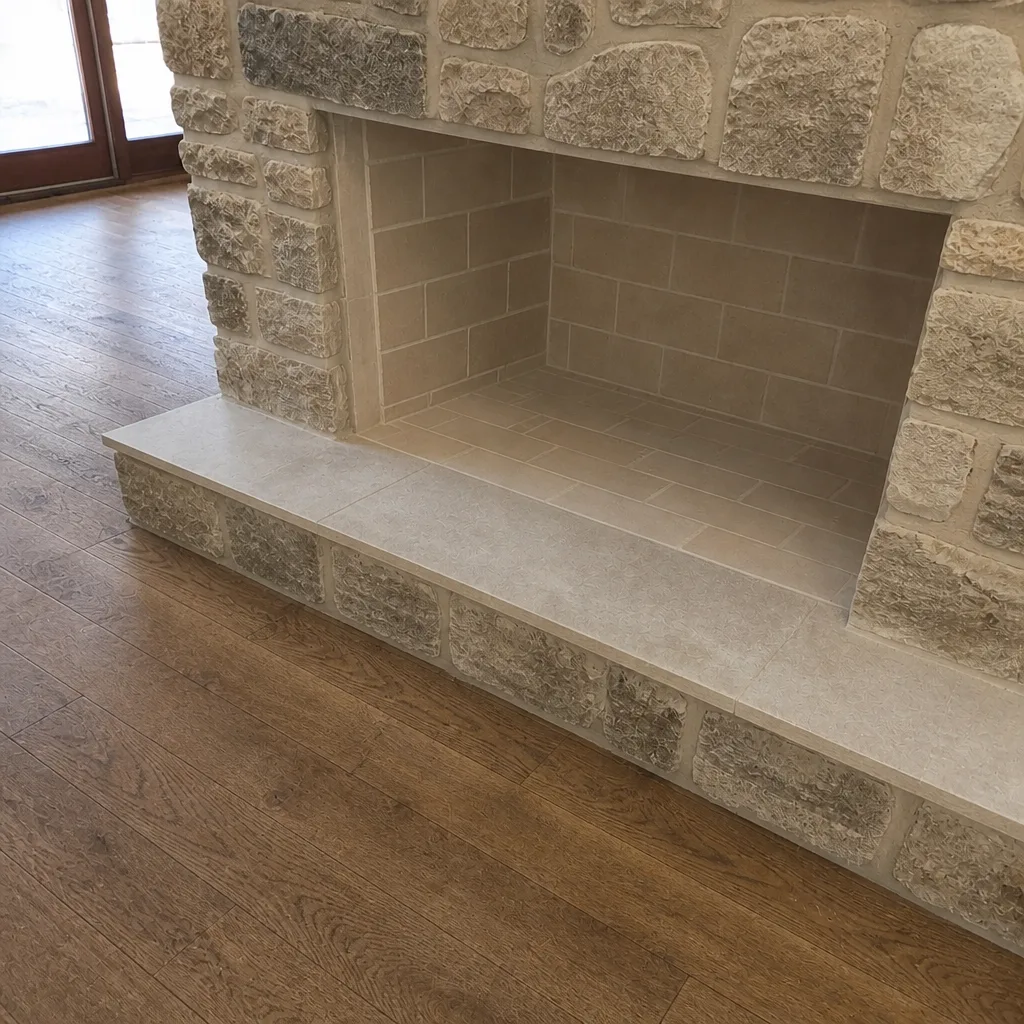
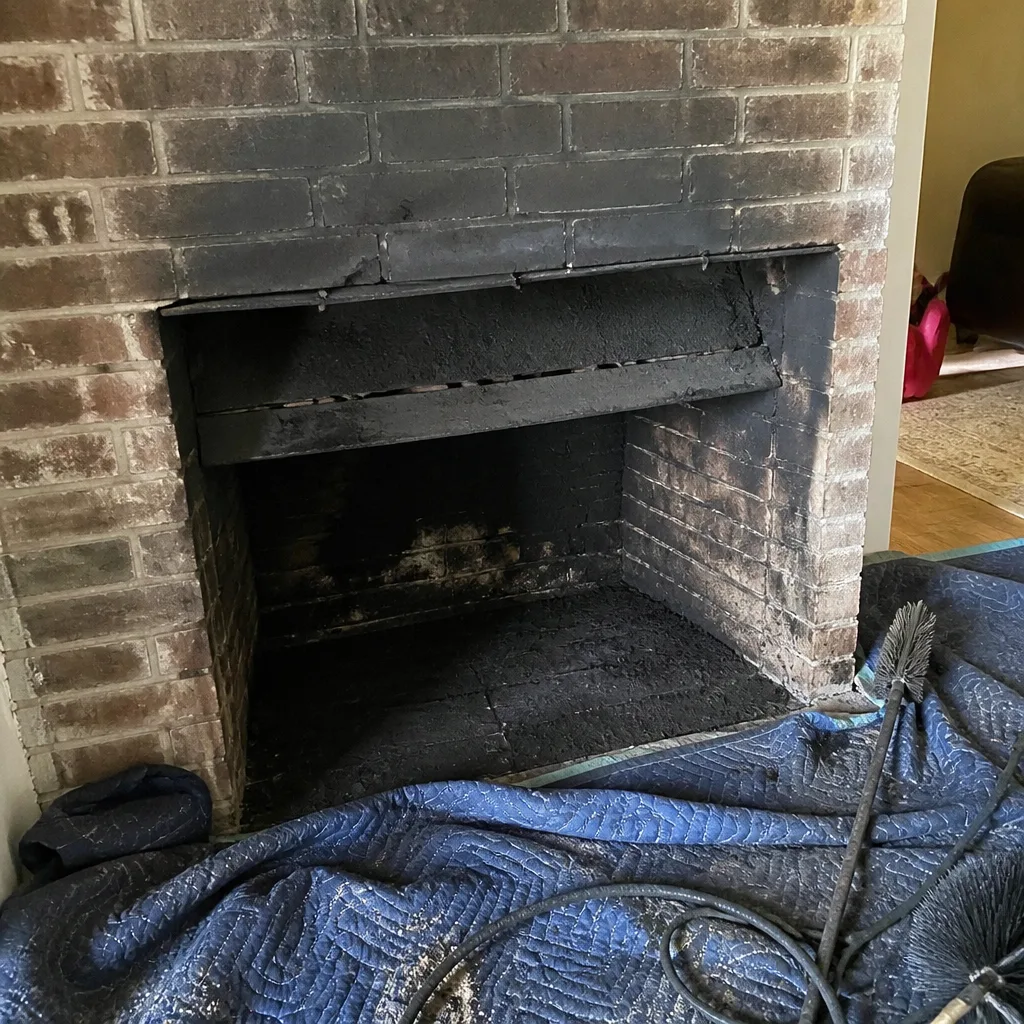
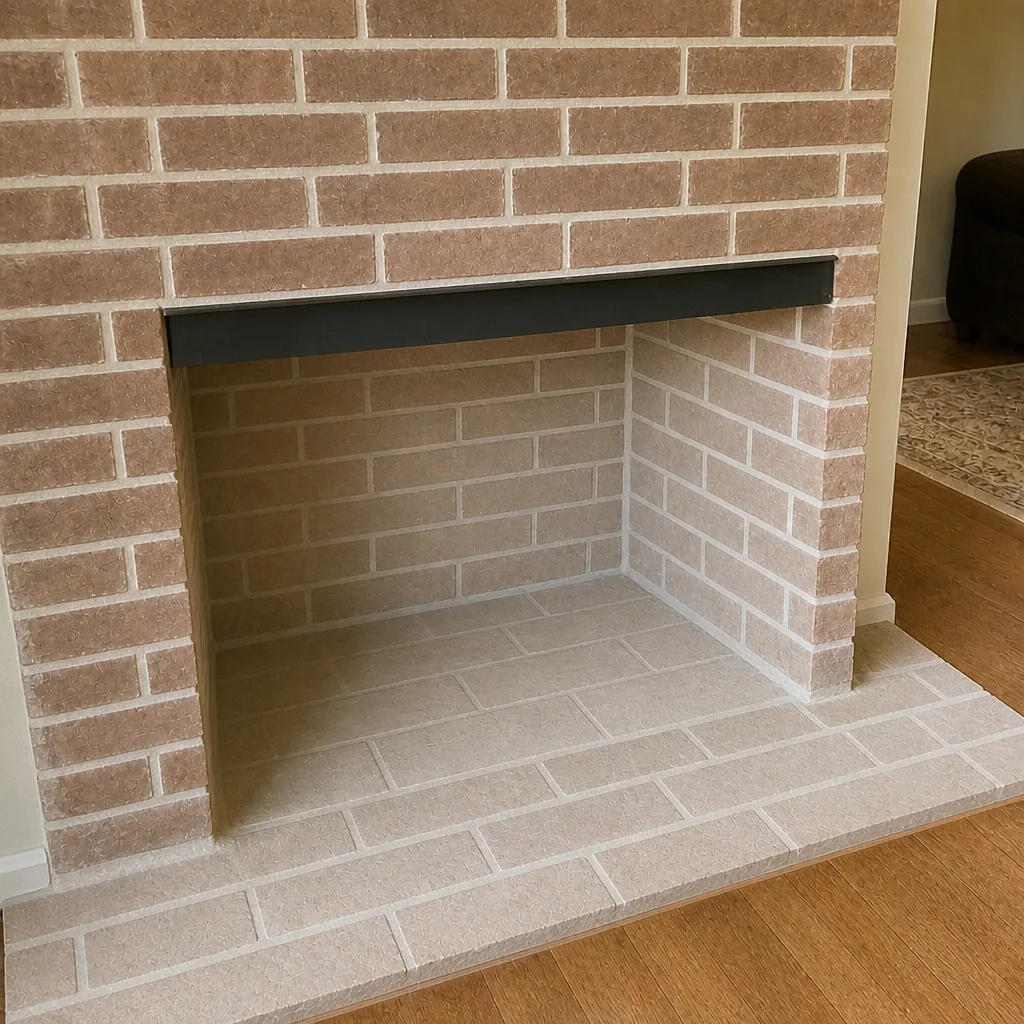
See the difference
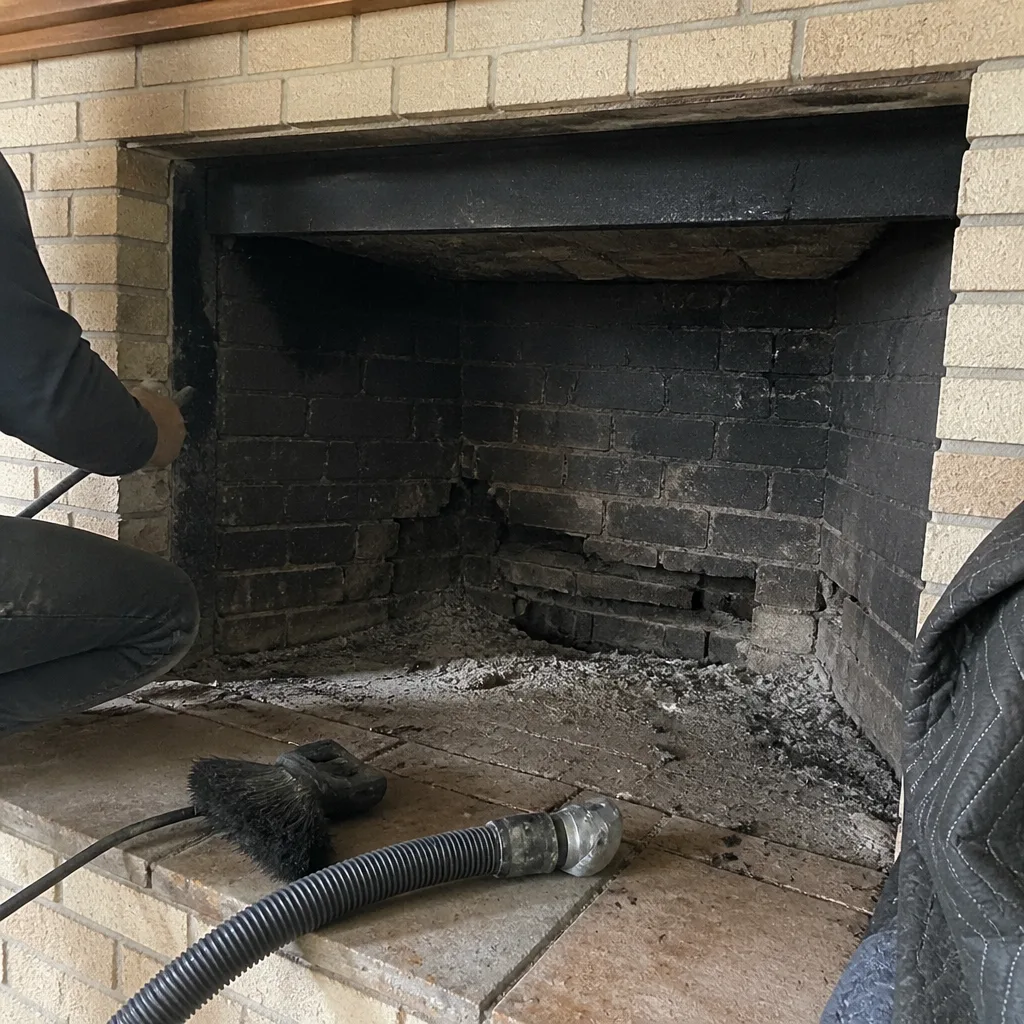 Before
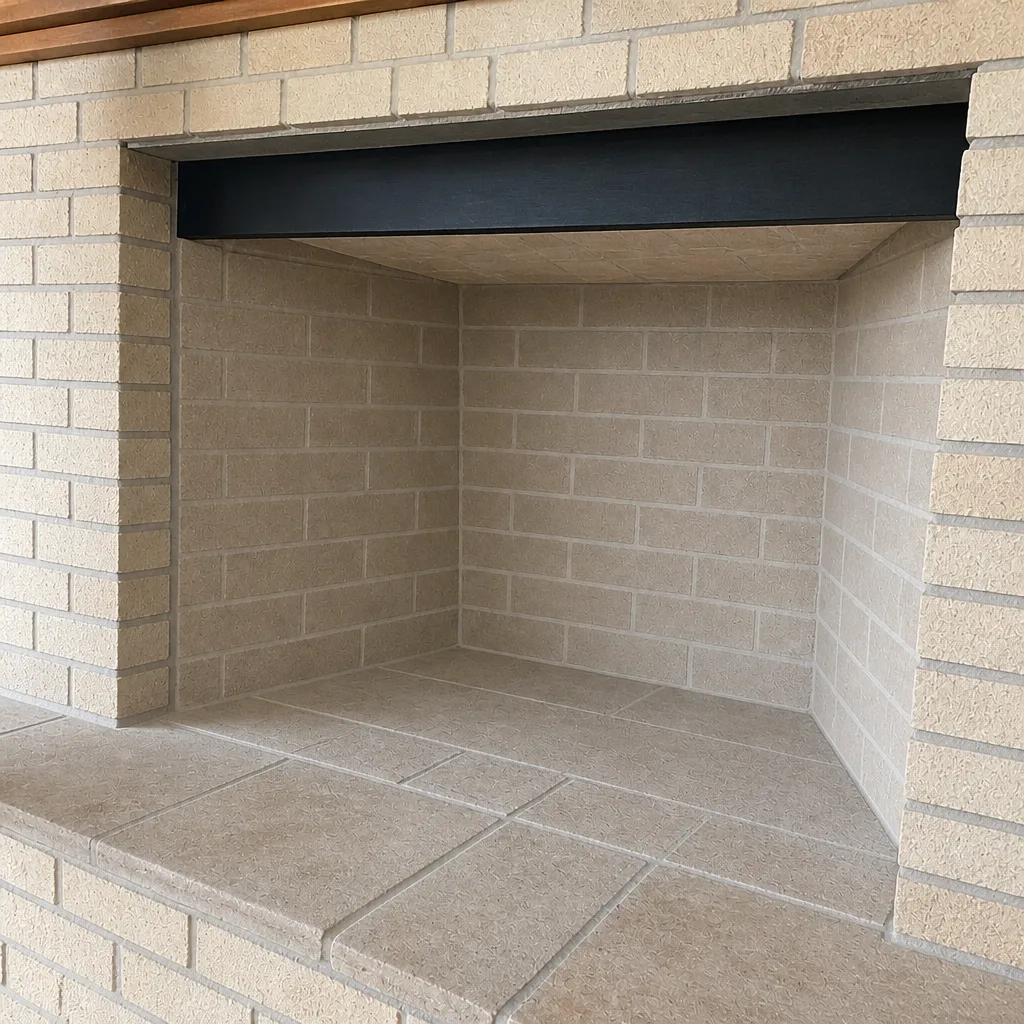 After
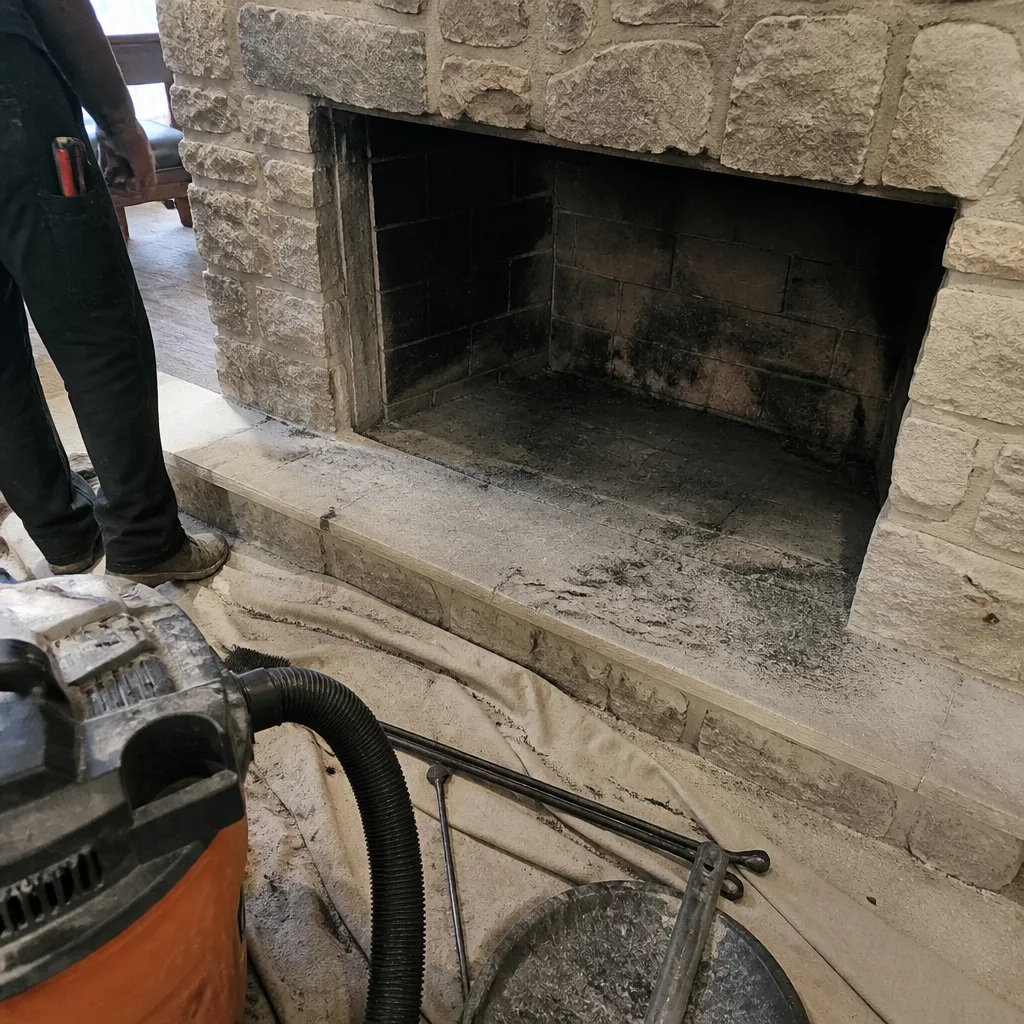 Before
 After
 Before
 After
When to Call a Professional
Call a professional when you can’t see the inside of your own flue, when the annual visit is overdue, or when something tells you the chimney isn’t behaving. Smoke rolling into the room, a strong creosote smell on warm days, visible cracking around the firebox, or any sign of a chimney fire are all reasons to get a specialist out. The same goes for a cap that’s loose or a crown that’s cracking, since summer water intrusion will only worsen the problem. And if you’re in a home in or around New Braunfels and don’t know the chimney’s history, an inspection is the right first step. Beacon Chimney Sweep offers free estimates in New Braunfels. Call (888) 401-6898. We answer 24/7. Fast dispatch from 7am to 7pm, Sunday through Friday.
Frequently Asked Questions
A standard wood-burning chimney sweep typically falls in the low-to-mid hundreds of dollars, with the exact price depending on flue length, how much deposit is present, and whether an inspection is bundled in. Repairs like resurfacing or relining are quoted separately once the camera inspection shows what’s needed. Call (888) 401-6898 for an exact quote. Estimates are free.
Not always. Many cracked or deteriorated flues can be resurfaced with HeatShield instead of fully replaced, and we’ll recommend that route when it fits. A new liner, often installed with a DuraFlex flexible system, is the right call when the existing flue is too damaged to restore or needs to be matched to a new appliance. Nothing gets recommended without camera evidence you can see for yourself. Call (888) 401-6898 to talk through your options.
Once a year for most wood-burning chimneys, ideally in late summer or early fall before the first fire. The humid summer here makes late-summer timing especially valuable, because deposits harden and moisture can damage liners while the chimney sits idle. Heavy burners or anyone with draft problems may need a mid-season check. Call (888) 401-6898 to book a visit.
Creosote keeps building, hardens over the humid summer, and becomes a fire risk when the first fire of the season heats it. A liner that develops a crack can let heat or carbon monoxide reach where it shouldn’t. Skipping a year isn’t automatically dangerous, but it moves the flue toward conditions that are. A sweep plus inspection tells you where you stand. Call (888) 401-6898 for a free estimate.
Often yes for cleaning and inspection, and many repairs can be scheduled close behind once you approve the estimate from the camera findings. Because we handle sweeping, inspection, and repair ourselves, you’re not sent to find a second contractor to finish the job. Call (888) 401-6898. We answer 24/7. Fast dispatch from 7am to 7pm, Sunday through Friday.
Gas fireplaces don’t produce creosote, but they still need checking for debris, venting problems, and carbon monoxide risk, so an annual inspection still earns its keep. The approach is different, but the reason is the same: you want to know your chimney is sound before you rely on it. If you’re in New Braunfels and your fireplace runs on gas, call (888) 401-6898 and we’ll tell you what a check involves.
The Bottom Line
Chimney cleaning in New Braunfels isn’t a generic chore to squeeze in whenever it’s convenient. The humid summer, the short-but-intense burn season, and the local wood choices all shape how quickly creosote hardens and how much moisture your liner has to survive. The safe plan is simple: sweep and inspect once a year, time it for late summer, burn seasoned wood, and treat a damaged crown or cap as a call to action rather than an annoyance. Cleaning and inspection belong together, and the repair crew should be the same one that found the problem. If you’re ready to schedule a sweep or a full diagnostic inspection with Beacon Chimney Sweep, call (888) 401-6898. We answer 24/7. Fast dispatch from 7am to 7pm, Sunday through Friday. Estimates are free, and the written estimate sets the price. To learn more about the area we serve, visit our New Braunfels page.
Written by the team at Beacon Chimney Sweep.