
Famco Chimney Sweep in New Braunfels: A Homeowner’s Guide
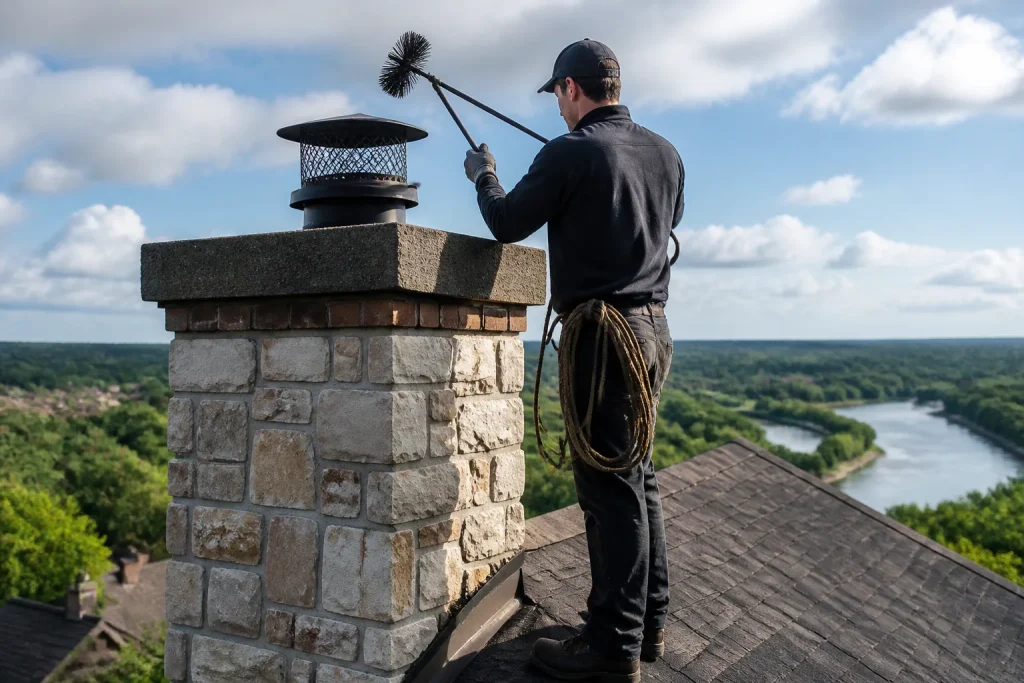
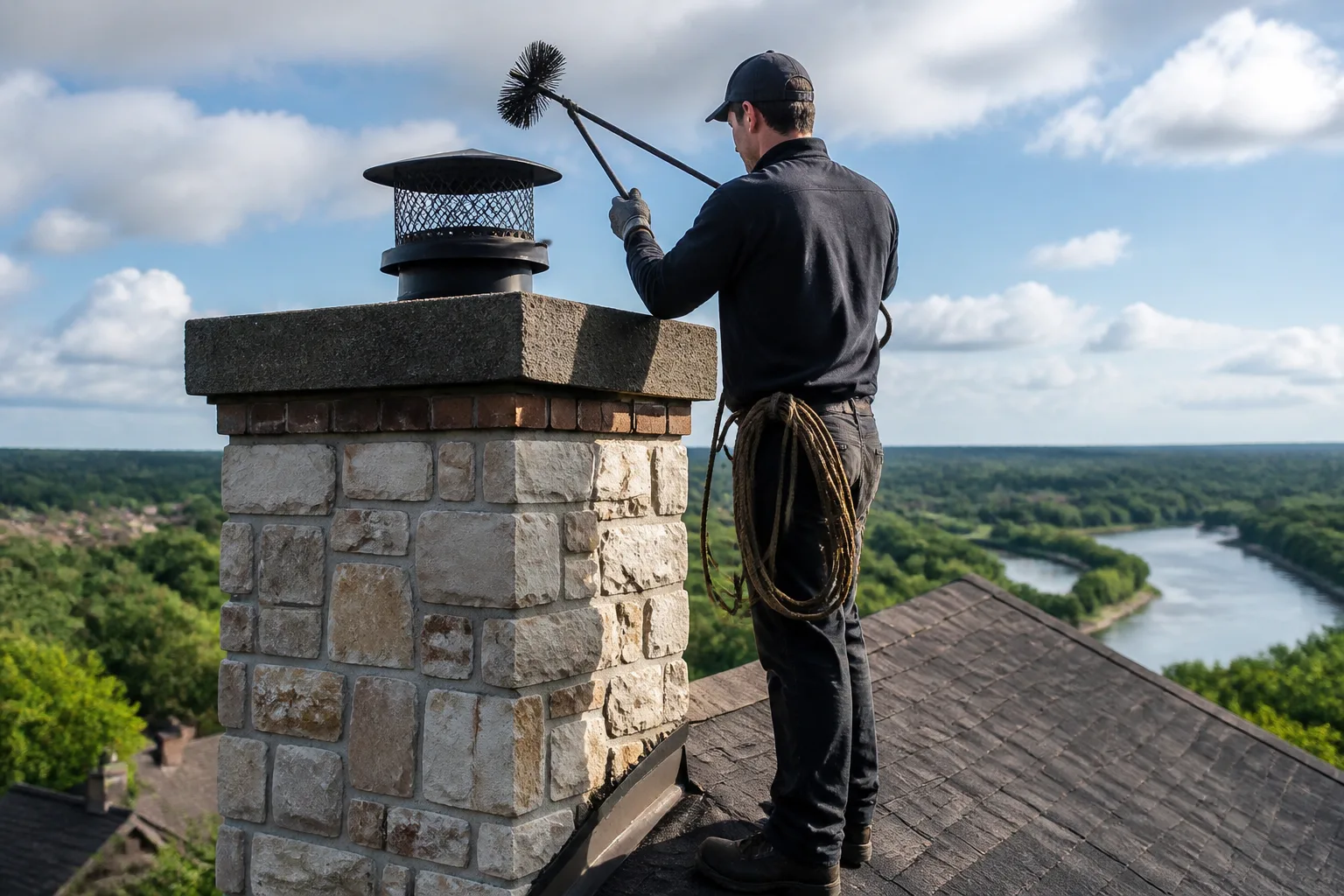
The cap on your chimney right now was probably bought at a home improvement store and installed by whoever was cheapest that week. That matters more than most homeowners realize, because a cap is the one part of the system that spends every day outside in the Texas sun and rain. Famco products are sold through professional channels for a specific reason: the steel gauge, the mesh opening, and the mounting tolerances are all built to a different standard than what sits on the retail shelf. This guide explains what Famco actually makes, why the grade matters, and what to expect when a New Braunfels homeowner has one installed.
What Does Famco Actually Manufacture?
Famco makes venting and chimney accessories, and not all of them are relevant to a home fireplace. The company’s catalog splits broadly into two worlds, and knowing which side a product falls on saves homeowners from a mismatched recommendation.
- Chimney caps and top-sealing dampers – the crown-level products most New Braunfels homeowners actually encounter. These are designed to keep rain, animals, and downdrafts out of the flue while letting exhaust escape.
- Flex connectors and venting components – used in appliance venting, including gas and HVAC applications. These are the products a homeowner rarely needs directly but might hear about during an inspection.
- Registers, grilles, and termination fittings – finishing hardware that shows up in vented appliance work.
Here’s the practical takeaway: if a chimney company quotes you on a “Famco cap,” that’s a genuine chimney product. If they quote you on a Famco flex connector for a wood-burning fireplace reline, ask a follow-up question, because flex connectors live on the appliance-venting side of the catalog. Knowing the difference keeps you from paying for the wrong grade of material. When we work with New Braunfels homeowners, we specify products by their actual job, not just by brand name. The brand is a signal of quality; the fit to your flue is what actually keeps water out.
Contractor-Grade vs. Retail-Grade Caps: The Real Differences
The gap between a hardware store cap and a contractor-grade Famco cap comes down to three measurable things: metal thickness, mesh opening size, and how the cap seats against the crown. None of these are marketing language. Each one has a job.
Gauge thickness. Retail caps are typically stamped from thinner steel because they’re built for shelf price, not for a decade of Texas UV and wind. Thicker gauge resists denting from limbs, holds its shape in a fast storm, and keeps the mounting flange from warping when the crown expands and contracts with temperature swings. New Braunfels summers push chimney tops hard, and a paper-thin cap shows that strain sooner.
Mesh opening size. The mesh keeps birds, squirrels, and embers where they belong. A mesh that’s too open lets sparrows and squirrels through, and a raccoon will happily dismantle a cap that’s loosely attached. A mesh that’s too tight blocks airflow and gets clogged with creosote faster. Contractor-grade caps hold the correct opening for the fuel you burn.
Weather collar tolerance. This is the part nobody talks about and the part that actually stops leaks. The collar is where the cap meets the crown, and if the tolerance is sloppy, water tracks down the flue wall instead of shedding off. A retail cap frequently forces a homeowner to rely on caulk. A properly sized contractor cap seats with the clearance it needs and sheds water the way it’s supposed to.
Why Cap Sizing Is a Diagnosis, Not a Measurement
A tape measure alone won’t tell you which cap fits. Sizing for New Braunfels homes is a diagnosis step, because a cap has to survive the specific conditions around your chimney, not a generic average.
- Flue shape. Clay flue tiles come in different shapes and counts; a single-flue chimney and a multi-flue chimney need different cap footprints, and an oval flue tile won’t accept a cap built for a round one.
- Crown condition. If the concrete crown is cracked or spalled, the cap has nothing sound to anchor to. That’s a chimney repair conversation before it’s a cap conversation.
- Wind exposure. A hilltop lot takes wind differently than a sheltered one, and high-wind sites need a different mounting approach and a cap that won’t rattle itself apart.
- Liner condition. This is the one homeowners miss. A deteriorated flue can’t be covered over and forgotten; if the liner is failing, capping it just seals in a problem. Inspection comes first, always.
That last point is where a lot of cheap installs go wrong. Someone shows up, measures the outside of the crown, pops on a cap, and leaves. Six months later the flue is taking water and the homeowner assumes the cap failed. It didn’t. The cap went on a chimney that needed a chimney sweep and an inspection before any hardware went up. Our technicians have up to 12 years of experience, and the first thing we do before specifying any cap is confirm what’s going on inside the flue.
Where the Product Comes From Matters
Brand name alone doesn’t guarantee longevity. The supply chain behind the brand does. A general handyman typically buys whatever the local big-box shelf has in stock, and the shelf doesn’t carry professional venting brands because there’s no volume demand for them. That’s the whole reason the grade gap exists.
We source from a defined roster of professional chimney brands, and Famco sits on it alongside Copperfield and DuraFlex. That matters for a simple reason: when the material is designed for chimney work and sourced through professional channels, the repair outlasts the invoice. When it’s whatever fit the budget that day, you’re often re-doing the job inside a few seasons, on a rooftop you have to climb twice.
There’s a second advantage to a defined supply chain: consistency. If we specify a Famco cap for your flue today, the replacement parts and compatible hardware are available in the future. That’s not true of a cap that was discontinued the moment the seasonal aisle flipped over to patio furniture.
What to Ask Any Chimney Company About Parts
The brand question sounds technical, but it’s one of the most revealing things you can ask. A company that names its supply chain and explains the grade is telling you they buy like professionals. A company that shrugs and says “whatever we have on the truck” is telling you something too.
Start here with any chimney company:
- “What brand and gauge cap are you installing, and why that one for my flue?”
- “Will you show me the crown condition before you cap it?”
- “Does the price include the cap and the mounting hardware, and does the estimate say so in writing?”
- “If the liner turns out to be failing, who handles the repair?”
That last question separates the specialists from the generalists. If the answer is “we’d refer you” or “we don’t do liners,” you’re about to become the middleman on a two-contractor job. We carry HeatShield and DuraFlex precisely so a failing liner found during inspection gets resolved by the same company that found it. Single point of contact, one written scope, no handoff.
When to call a pro
If the cap is loose, dented, or missing mesh, or if you’ve seen water staining on the ceiling near the chimney chase, that’s not a hardware store fix. Water tracking down a damaged flue can quietly rot framing for a long time before anyone notices. Call (888) 401-6898 and get it looked at. We’ll tell you what we found, what it means, and what it’ll take to fix it. We answer 24/7.
Related services in New Braunfels: Beacon Chimney Sweep handles sweeping, inspection, and repair as one job.
The Bottom Line
A chimney cap is a small part that decides whether rain becomes a structural problem. Famco caps earn their place because the steel gauge, mesh opening, and weather collar are built to professional tolerances rather than shelf price. The correct installation depends on diagnosis first: flue shape, crown condition, wind exposure, and liner health all come before any hardware goes up. Ask any company what brand and grade they install, and ask who fixes the liner if it turns out to be failing. If you’re in New Braunfels and need help, Beacon Chimney Sweep offers free estimates. Call (888) 401-6898. We answer 24/7, with fast dispatch from 7am to 7pm, Sunday through Friday. A written estimate sets the final price.
Frequently Asked Questions
A Famco chimney cap is a professionally distributed chimney cover that keeps rain, animals, and downdrafts out of the flue while letting exhaust out. It’s built from thicker steel and tighter mesh tolerances than the caps typically sold at home improvement stores.
Most chimney sweeps in New Braunfels run on a flat price agreed before booking, with the written estimate setting the final price. If your cap also needs replacing, that’s quoted as part of the same job so there are no surprises mid-visit. Call (888) 401-6898 and we’ll get you booked.
Sometimes the existing cap just needs a secure remount, and sometimes the crown underneath is what’s actually failed. We don’t recommend a new cap without evidence you can see for yourself. Same with the liner: if it’s sound, capping it is the whole job.
Without a cap, water runs straight down the flue, birds and squirrels nest in the chimney, and downdrafts push smoke back into the house. Over time the water damage compounds. None of that happens overnight, but none of it repairs itself either. Call (888) 401-6898 for an estimate.
Written by the team at Beacon Chimney Sweep.
Need Chimney Cleaning Help?
Call Beacon Chimney Sweep - licensed & insured, here with fast help in New Braunfels.
(888) 401-6898